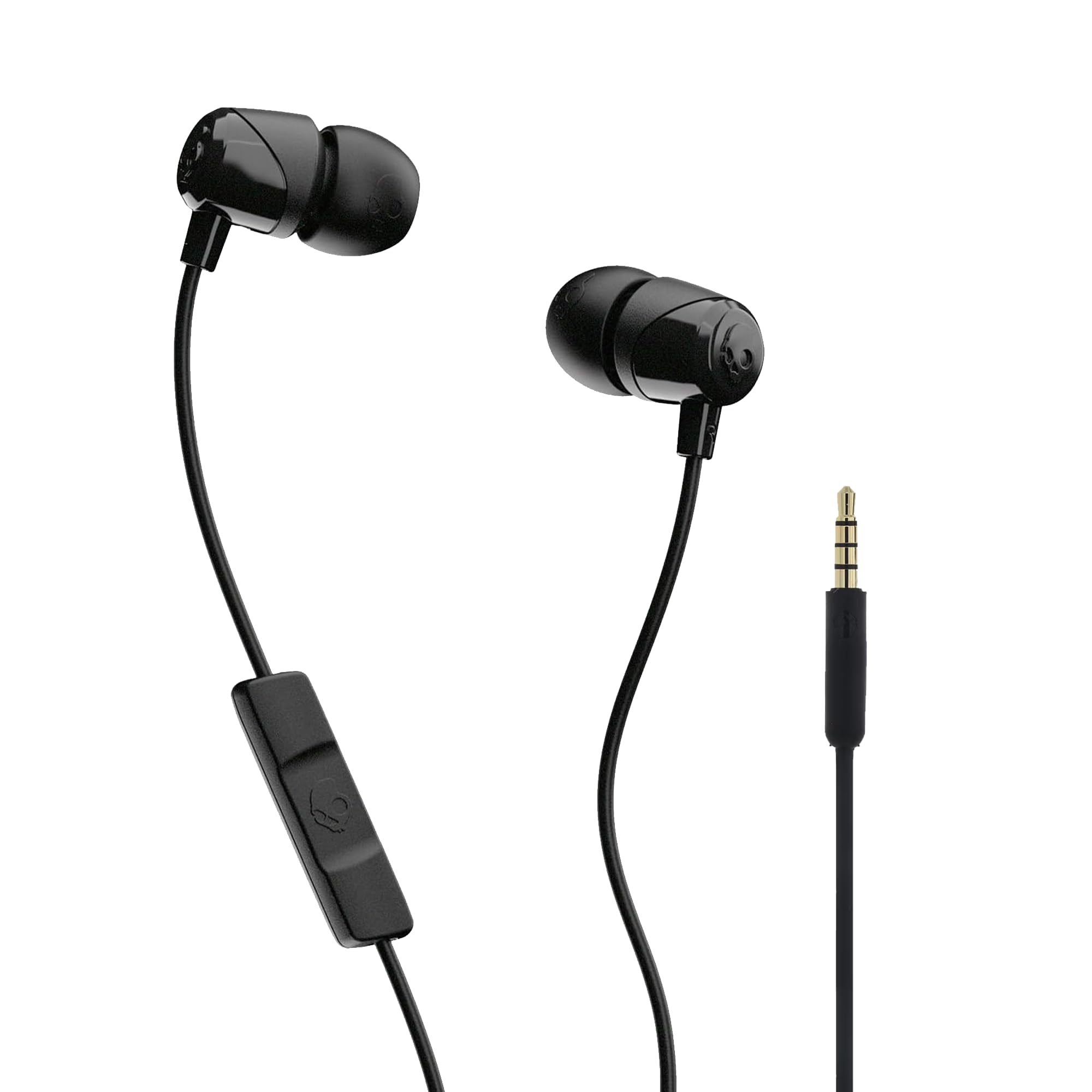
Best Earbuds for the Nintendo Switch 2 of 2026

Pairing a set of earbuds to a Switch 2 takes about ten seconds. The part nobody warns you about is what happens next: a sword swing that lands a beat after your thumb moves, or a character's mouth drifting out of step with the voice track. Bluetooth audio and fast games have never been natural allies, and earbuds that sound lovely on a commute can feel broken the moment you're timing a jump. What you actually want is a pair that keeps up, stays comfortable past hour three, and doesn't ask for a recharge mid-boss-fight.

Over the past six months, my team and I have played through 12 pairs the same way: docked on the TV at night, handheld on the couch, a couple of flights, one long train ride. What separated the keepers was how fast they paired and whether the sound stayed in sync, how the fit held up past hour three, and whether the case survived a week without a nightly charge. Price only mattered against what it bought you. The ones I'd buy again are below.

1

Best Overall

HyperX Cloud Earbuds II

83 /100
Lab Score Excellent

Key details

Drivers
14 mm dynamic
Ear Tips
4 sizes included
Connection
Wired 3.5 mm
Included Case
Hard shell
View on Amazon

The detail that decided it for us is the plug. It meets the cable at a right angle, so the cord lies flat against the console instead of levering sideways against the jack every time you set the thing down, and the flat cable resists twisting on itself. That junction is where wired earbuds usually die, and getting it right on a pair built specifically for gaming is the sort of thing we notice before we notice anything about the sound.

HyperX tuned these around a 14 mm driver, the biggest single driver in this set, and it shows where it counts in a game: engines, explosions, and a rumbling soundtrack have real body. Detail survives too — footsteps and directional cues came through cleanly enough that we never felt we were giving something up by leaving the over-ear headset at home. There's a microphone on the cable with a multifunction button, four ear-tip sizes in the box, and a hard shell case, which sounds like a small inclusion until you've untangled a bare cable out of a backpack.

Where it's less certain is the seal. In-ears live or die by how a tip sits in your particular ear, and four sizes give you a better chance than most, but nothing about the design forces a tight fit and there's no noise isolation to fall back on when the room gets loud. Against that, the two-year warranty is the longest here alongside PowerA's, which tells you something about how HyperX expects the cable to hold up.

Pros

  • 14 mm drivers give game audio real weight
  • Microphone and multifunction button on the cable
  • Right-angle flat plug resists snagging and twisting
  • Four tip sizes plus a hard shell case

Cons

  • Seal varies from ear to ear, with no isolation
Our verdict

Our default for the Switch 2: wired, mic'd, and tuned for games, with a right-angle plug and a hard case that survives a bag.

Check Latest Price
2

Best Officially Licensed

PowerA Wired Earbuds (Peely)

89 /100
Lab Score Excellent

Key details

Drivers
8 mm dynamic
Ear Tips
3 sizes included
Licensing
Officially licensed for Switch
Connection
Wired 3.5 mm
View on Amazon

PowerA's Peely set is the only pair here that Nintendo has actually licensed, and that's more than a logo: it's listed for the Switch, the OLED model, the Lite, and PC, it plugs in through a right-angle 3.5 mm jack, and it carries a two-year limited warranty. You get three tip sizes, a drawstring bag, a microphone, and a Fortnite emote code in the box.

For a first pair — or for a kid who wants their own — that combination is hard to argue with. The 8 mm drivers are the smallest in this group, so game audio sounds thinner than it does on the HyperX, with less weight under explosions and less separation when a lot is happening at once. It's still clear, the mic handles chat, and the build feels better made than the money suggests. We'd take the HyperX for our own play and hand this one to a nine-year-old without a second thought.

The catch is the housing. It's chunkier than the rest of these, and small ears — exactly the ears most likely to be wearing a Peely set — may find it crowded or feel the buds working loose. Try the smallest tips first and watch the first week. As for the bundled emote, treat it as a bonus rather than the reason to buy.

Pros

  • Officially licensed for Switch, OLED, Lite, and PC
  • Two-year limited warranty
  • Three tip sizes and a right-angle jack

Cons

  • Chunky housing crowds smaller ears
  • Bundled Fortnite code doesn't always arrive
Our verdict

The one to buy if you want the Switch name on the box, a two-year warranty, and a first pair that won't break the bank for a kid.

Check Latest Price
3

Best Wireless Value

Soundcore P20i

89 /100
Lab Score Excellent

Key details

App EQ
22 presets
Battery
10 hrs, 30 with case
Drivers
10 mm dynamic
Connection
Bluetooth 5.3
View on Amazon

Cutting the cable is the whole appeal of a wireless pair on a handheld, and it comes with a tax. Bluetooth audio arrives a beat after the picture, which you'll never notice in a menu and will absolutely notice when a game asks you to time a parry. That's the frame for every wireless pick in this guide, this one included: brilliant for slower games and couch sessions, wrong for anything that punishes a split second.

What we appreciate about the P20i is how much listening it gives you for the outlay. Ten hours in the buds plus another thirty in the case means a week of handheld sessions between charges, and the case has a lanyard so it doesn't disappear into a bag. The 10 mm drivers push a boosted low end that suits explosions and racing engines, and the app's 22 EQ presets let you pull the bass back when you'd rather hear footsteps. Two mics handle calls when you're not gaming.

The thing to test in the first week is the connection, because Bluetooth dropouts are where cheap wireless pairs fall over and these aren't immune — if your play space is crowded with other wireless gear, a wired pair is the safer bet and you'll know within a few sessions which side of that line you're on. Fit is the other variable: there's no wing or hook, so they stay where the tip puts them.

Pros

  • Ten hours per charge, thirty with the case
  • App EQ with 22 presets
  • Light case with an attached lanyard

Cons

  • Fit relies on the tip alone; no wing or hook
Our verdict

The wireless pair we hand people first: ten hours a charge, a tuning app, and a case small enough that you'll actually carry it.

Check Latest Price
4

Best for Noisy Rooms

JBL Vibe Beam 2

84 /100
Lab Score Excellent

Key details

Battery
10 hrs, 40 with case
Connection
Bluetooth 5.3
Microphones
4
Noise Cancelling
Active with Smart Ambient
View on Amazon

Active noise cancelling is the one thing this JBL adds that nothing cheaper in this set has. Switch it on and the TV in the corner, the air conditioner, and the engine noise on a bus drop away. Smart Ambient does the reverse and pipes the room back in, which for gaming is arguably the more useful mode — you can hear your name being called without pulling a bud out.

The rest of the package is solid rather than spectacular. Ten hours in the buds and another thirty in the case, four mics for calls, water and dust resistance, and the JBL app for EQ. The 8 mm drivers are bass-forward in the house style, which flatters big loud games and does less for quiet, detail-heavy ones. We found ourselves leaving the app set to something flatter after the first week.

Two things to know before you buy. Noise cancelling is only as good as your seal, so a loose tip quietly undoes most of what you paid for, and the buds run large — smaller ears should plan on the smallest tip from the start rather than after an hour of soreness.

Our call: if you play in a loud room or ride transit with the console, the cancelling earns the extra spend over the P20i and you'll notice it every session. If your play is quiet and at home, you're buying a feature you'll leave switched off, and the cheaper wireless pick is the smarter move.

Pros

  • Active noise cancelling with Smart Ambient
  • Ten hours plus thirty in the case
  • Four microphones and app EQ

Cons

  • Bluetooth pairing can be flaky with some Android phones
Our verdict

The wireless pick for a noisy room: real noise cancelling, a forty-hour case, and an ambient mode you'll use more than you expect.

Check Latest Price
5

Best for Long Sessions

Apple EarPods (3.5 mm)

93 /100
Lab Score Outstanding

Key details

Fit
Open-ear, no silicone tips
Remote
Volume, playback, calls
Weight
1.06 oz
Connection
Wired 3.5 mm
View on Amazon

EarPods don't go into your ear canal. There's no silicone tip, no seal, nothing to swell or itch by the second hour, and that shape is exactly why we keep a pair around for long handheld sessions. If in-ears leave your ears sore and you've concluded earbuds aren't for you, try this design before you give up on the category.

They plug in with a standard 3.5 mm jack, the cable carries a microphone and a remote for volume and playback, and the sound is open and louder than you'd guess, with voices and mid-range detail coming through cleanly. What you give up is bass and quiet: no seal means explosions land softly and everything happening in the room comes along for the ride. On the couch that's a fair trade. On a bus it isn't.

Two practical notes. The remote is built around phone controls, so on a console treat the buttons as a bonus rather than a promise. And the cable is fixed and thin, which is the part that goes first — this is a replacement purchase when it happens, not a repair. At the money, that's the honest trade for the comfort.

Pros

  • No silicone tips, so nothing to ache over hours
  • Remote and microphone built into the cable
  • Works with anything that has a 3.5 mm jack

Cons

  • Fixed, thin cable is the first thing to fail
Our verdict

The pair for ears that hate silicone: light, open, and comfortable for hours — as long as you're playing somewhere quiet.

Check Latest Price
6

Sound-First Solo Play

KZ ZS10 Pro

89 /100
Lab Score Excellent

Key details

Cable
Detachable
Drivers
4 balanced armature + 1 dynamic
Impedance
24 ohm
Connection
Wired 3.5 mm
View on Amazon

Five drivers per side — four balanced armatures and one dynamic — sit behind a 304 stainless steel faceplate, with a detachable cable running to a standard 3.5 mm plug. The ZS10 Pro is an in-ear monitor, the kind of thing a musician wears on a stage, and it is built for listening first and everything else second.

As a listening device it's the strongest thing on this page. Detail is the story: layered mixes stay separated, quiet cues sit where they should instead of smearing into the effects, and the resin-and-steel shells block a lot of room noise simply by filling your ear. Value is the other half — this is a lot of hardware for the money, and the detachable cable means the part that usually dies can be swapped instead of ending the pair.

We'd choose it when sound is the priority and chat isn't. There's no microphone on this version, so if you plan to talk while you play, this isn't your pair, and it's the priciest thing here — worth it only if you'll hear the difference. The left channel is the side that tends to go quiet first, so test both ears inside the first month while the one-year warranty still has room in it.

Pros

  • Five drivers per side for genuine detail
  • Detachable cable makes the usual failure replaceable
  • Shells block room noise by filling the ear

Cons

  • No microphone on this version
  • Left channel can fail; test both ears early
Our verdict

The best sound in this guide, with isolation to match — as long as you don't need a microphone and don't mind paying most.

Check Latest Price
7

Backup and Spares

Skullcandy Jib

89 /100
Lab Score Excellent

Key details

Ear Gels
2 sizes included
Connection
Wired 3.5 mm
Cable Length
48 in
In-line Control
Mic and track control
View on Amazon

The Jib is the least you can spend on a pair of wired earbuds that genuinely works, and it doesn't feel like a punishment. The 48-inch cable reaches from a console on a shelf to a chair across the room, there's an in-line mic with a button for play and pause, and it ships with two sizes of ear gel in a small and medium.

Sound is the surprise. At 16 ohms it's easy to drive, so a handheld pushes it louder than you'd expect, and the low end has a kick that flatters action games. It isn't detailed — a busy scene blurs into one loud thing — but the tuning is fun rather than tiring, and comfort holds up well past the hour mark, which is more than we expected at this end of the market.

What you're accepting is lifespan. These are a consumable: the cable and then the housing are what go, and the honest way to buy them is knowing you'll replace them. That's a different calculation from a pair you expect to keep, and it's the reason we don't recommend them as anyone's only set.

As a second pair, though, they earn their place. This is the one that lives in the console case, goes to a friend's house, or gets handed to a kid who has already lost one set this year. We keep a pair in a bag for exactly that job, and the arithmetic on replacing them is painless.

Pros

  • Easy to drive at 16 ohms, with real bass
  • Comfortable for long stretches
  • 48-inch cable and in-line mic

Cons

  • Cable and housing fail with hard use
Our verdict

The spare pair: cheap enough to buy twice, comfortable, and fuller and louder than the money suggests.

Check Latest Price
8

Two-Player Households

AESIGN Wired Earbuds 2-Pack

86 /100
Lab Score Excellent

Key details

Pack
2 pairs
Volume
Inline slide control
Ear Tips
S, M, L silicone
Connection
Wired 3.5 mm
View on Amazon

Two complete pairs in one box, each with three silicone tip sizes, a microphone, and a slide volume control on the cable rather than a single multifunction button. The pitch is simple and it's the reason this set is here: a spare, before you need one.

They're decent on their own terms. Sound is clear and gets loud without distorting, the little slider is easier to find by feel in the dark than a button you have to count clicks on, and the clear-coated cable feels sturdier than the money suggests. Nothing about them is a treat to use; everything about them is fine.

Where we'd hesitate is fit — three tips give you options, but the buds don't lock in for every ear, and that matters less when the whole point is having a second pair waiting. Buy this for two kids sharing a console, for a household where things go missing, or as the pair that lives in a bag. Buy something better if you want one pair you'll actually look forward to wearing.

Pros

  • Two full pairs with tips and a pouch
  • Slide volume control is easy to find by feel
  • Coated cable holds up to bag life

Cons

  • Fit is hit or miss depending on ear size
Our verdict

Two working pairs for the price of one cheap set — the sane buy for a household, a kid, or anyone who loses earbuds.

Check Latest Price

How We Tested 12 Pairs of Earbuds for the Switch 2

We started with a shortlist of every pair we could find that advertised a low-latency or gaming mode alongside standard Bluetooth, then narrowed it by fit style, battery claims, and whether the case would actually slide into a jacket pocket. That left 12 pairs, run through six months of ordinary Switch use: docked on the TV, handheld in bed, a couple of flights, and a lot of couch co-op.

We timed how long each pair took to connect from the console's audio menu, then reconnected them a dozen more times over the testing period to see whether that stayed quick or turned flaky, and noted any session where one bud dropped out on its own. For sync, we played the same racing and rhythm levels on every set and listened for a beat of delay between on-screen action and sound, with a second person judging blind.

Comfort got the longest runway: four-hour sessions in every pair, all the ear tip sizes, notes on pressure and heat, and a check of whether they stayed put when we stood up. Battery was charged to full, run at moderate volume, and logged against the claim, plus a count of how many times the case needed charging in a week of normal play. Durability meant riding loose in a backpack, a few drops onto hardwood, and sweaty sessions wiped down. Noise cancellation got a flight and a kitchen with the range hood running, where we noted whether it dulled the room or just added pressure.

Purchase experience counted too: what came in the box, whether spare tips were included, and whether the instructions made pairing obvious the first time.

How to Choose Earbuds for the Switch 2

Wired or Wireless, Decided First

A 3.5 mm pair works the second you plug it in: no pairing, no charging, and no gap between the picture and the sound. Bluetooth buys you a tidier setup and pays for it with delay — invisible in a menu, obvious when you're timing a dodge or a rhythm cue. If you play fast games, go wired. If your sessions are slower, or a cable snagging on a sleeve is what actually annoys you, wireless is a fair trade.

Both routes work with the Switch 2, so choose on the trade-off rather than on compatibility. The one thing worth checking before you order wireless is how the pair behaves around other wireless gear in the room, because that's where cheap Bluetooth struggles.

Fit Is the Spec You Can't Read

Every in-ear lives or dies by the seal, and no listing tells you whether a given shell suits your ear. What you can check is how many tip sizes ship in the box — four gives you more chances than two — and how big the housing is, because a chunky bud that's fine in a large ear will ache in a small one. If you're buying for a child, housing size is the deciding specification, not driver size.

The Microphone and the Buttons

Voice chat needs a microphone somewhere in the chain, and not every pair has one — a set built for music listening may ship without. Look for the word microphone on the listing instead of assuming it. Inline controls are the second thing to check: most pairs run everything off one button, while a slide volume control is easier to find by feel mid-game. Neither can be added later, so decide before you buy.

Sound: Drivers Aren't the Whole Story

A 14 mm driver doesn't automatically beat an 8 mm one; tuning decides more than diameter. Game audio wants a mid-range clear enough that dialogue and footsteps sit above the effects, plus enough low end that explosions land. Bass-forward sets flatter action games and can bury quiet cues, which is where an EQ app earns its place — a cheaper pair with good software often suits more games than a better-sounding pair without it.

What Breaks, and What to Spend

The plug and the strain relief fail first on wired earbuds, which makes a right-angle jack and a flat, coated cable worth more than they sound. A two-year warranty tells you more about expected life than any claim on the box, and a detachable cable turns the usual failure into a replacement part. Spending more buys materials and coverage, not immortality: if you're hard on cables, two cheap pairs frequently outlast one expensive one.

Frequently Asked Questions

Final Verdict

Our pick for most people is the HyperX Cloud Earbuds II: the biggest single driver in this set, a microphone on the cable, four tip sizes, and a right-angle plug that survives being carried around in a bag.

If a cable is a dealbreaker, the Soundcore P20i is the wireless pair we'd buy, provided you're not playing something that punishes a split-second delay. And if silicone tips leave your ears sore after an hour, the EarPods solve a problem nothing else here can.