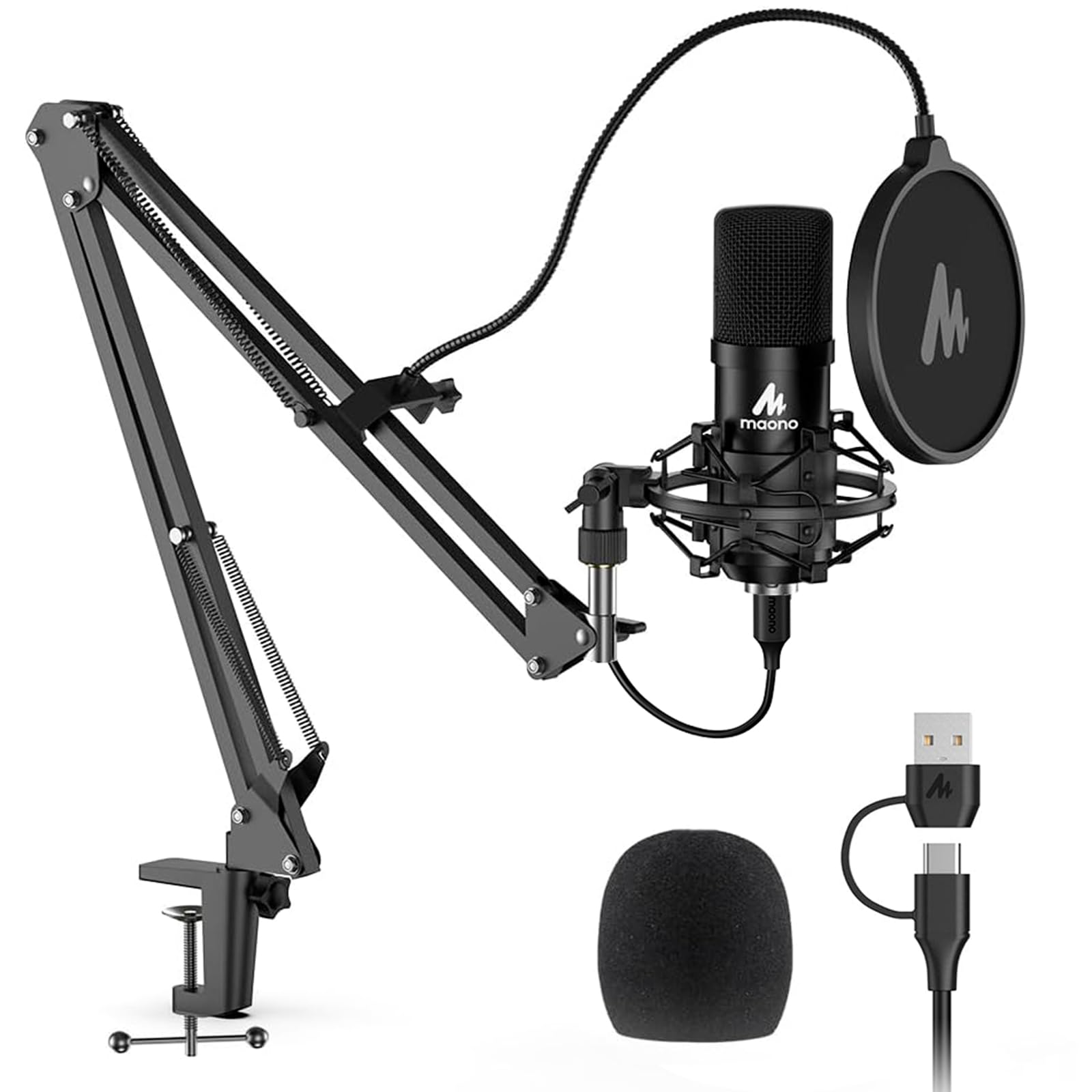
14 Best Microphone for Streaming of 2026: Match Your Room and Budget

Which streaming mics handle noisy gaming rooms without breaking the bank? Our picks cut through the hype to match your setup.

Many streamers discover that their shiny new USB mic picks up every keyboard click and fan hum, turning their stream into a noise nightmare. That's because condenser mics, while affordable, are sensitive. Dynamic mics reject room noise but often require extra gear.

This guide cuts through the confusion, focusing on mics that actually work in real gaming setups, from budget to pro. We highlight the trade-offs between plug-and-play convenience and long-term reliability, so you know exactly what to expect.

Whether you need a simple upgrade from a headset or a professional XLR rig, the right microphone depends on your room, your gear, and your priorities.

1

Best Overall

HyperX QuadCast

96 /100
Lab Score Outstanding

Key details

Type
Condenser
Connectivity
USB
Polar Pattern
Cardioid, Omni, Bidirectional, Stereo
Special Features
Shock mount, tap-to-mute, gain control
View on Amazon

The QuadCast delivers clear, detailed audio across four polar patterns — cardioid for solo streaming, omnidirectional for roundtable chats, bidirectional for interviews, and stereo for music capture. The built-in shock mount effectively isolates vibrations from desk thumps, and the tap-to-mute function works without software lag.

This mic suits streamers and podcasters who want one USB device to handle multiple scenarios without buying extra stands or interfaces. Its condenser design picks up room noise — footsteps, fans, keyboard clatter — so it works best in a quiet space or with a software noise gate. Beginners will appreciate the straightforward setup: plug in, select your pattern, and adjust gain on the front dial.

💡 Keep the mic close to your mouth and enable a noise gate in your streaming software to minimize ambient pickup.

Pros

  • Sturdy metal build with clear, full-frequency audio for voice and music.
  • Four polar patterns adapt to solo, group, or stereo recording on the fly.
  • Integrated shock mount and tap-to-mute reduce desktop noise and offer instant privacy.

Cons

  • Condenser sensitivity picks up background noise in untreated rooms
Our verdict

The QuadCast is the most feature-complete USB microphone near its price point — streamers who can manage room acoustics will get years of flexible, clear recording.

Check Latest Price
2

Best Pro XLR Mic

Shure SM7B

96 /100
Lab Score Outstanding

Key details

Type
Dynamic
Connectivity
XLR
Polar Pattern
Cardioid
Special Features
Built-in pop filter
View on Amazon

The Shure SM7B is the industry standard for vocal clarity and noise rejection, widely adopted by professional podcasters and streamers. Its cardioid dynamic capsule isolates voice from background noise effectively, delivering a warm, natural sound that requires minimal post-processing. However, it connects only via XLR — no USB option exists.

This mic targets streamers and voice-over artists who already have an XLR interface and are prioritizing sound isolation and vocal clarity over convenience.

Pros

  • Warm, natural vocal reproduction that cuts through mixes.
  • Effective rejection of background noise thanks to cardioid pattern and built-in pop filter.
  • All-metal chassis withstands drops and daily handling in active streaming setups.

Cons

  • Premium price
  • Requires a separate high-gain preamp (e.g., Cloudlifter) for adequate output
Our verdict

For streamers with an XLR interface, the SM7B delivers broadcast-level clarity and noise rejection that USB mics can't match.

Check Latest Price
3

Best Hybrid USB/XLR

Shure MV7

95 /100
Lab Score Outstanding

Key details

Type
Dynamic
Connectivity
USB, XLR
Polar Pattern
Cardioid
Special Features
DSP, headphone out, touch controls
View on Amazon

The Shure MV7 delivers the same smooth, full-bodied vocal reproduction that made the SM7B a studio staple, now in a USB-ready package with built-in DSP and headphone monitoring. Its all-metal construction and responsive touch controls feel premium, while the dynamic cardioid pattern effectively rejects room noise — a major advantage over condensers in untreated spaces. This mic suits streamers and podcasters who want professional-grade audio without the complexity of an external interface, though the micro-USB port can become loose with frequent cable movement, and a small number of units may develop operational issues within the first few months.

💡 To prolong port life, avoid frequent unplugging and consider a right-angle adapter if cable strain is a concern.

Pros

  • Sound quality rivals the professional SM7B
  • Hybrid USB/XLR connectivity lets you start with USB and later integrate into a pro audio interface.
  • All-metal chassis feels durable enough for daily streaming use.

Cons

  • Micro-USB port can loosen over time, especially with heavy cable movement.
  • Some units may develop operational issues within the first few months.
Our verdict

Serious streamers who value vocal clarity and a future-ready hybrid connection will find the MV7 a worthwhile investment — just keep the USB cable handled gently.

Check Latest Price
4

Best Versatile USB

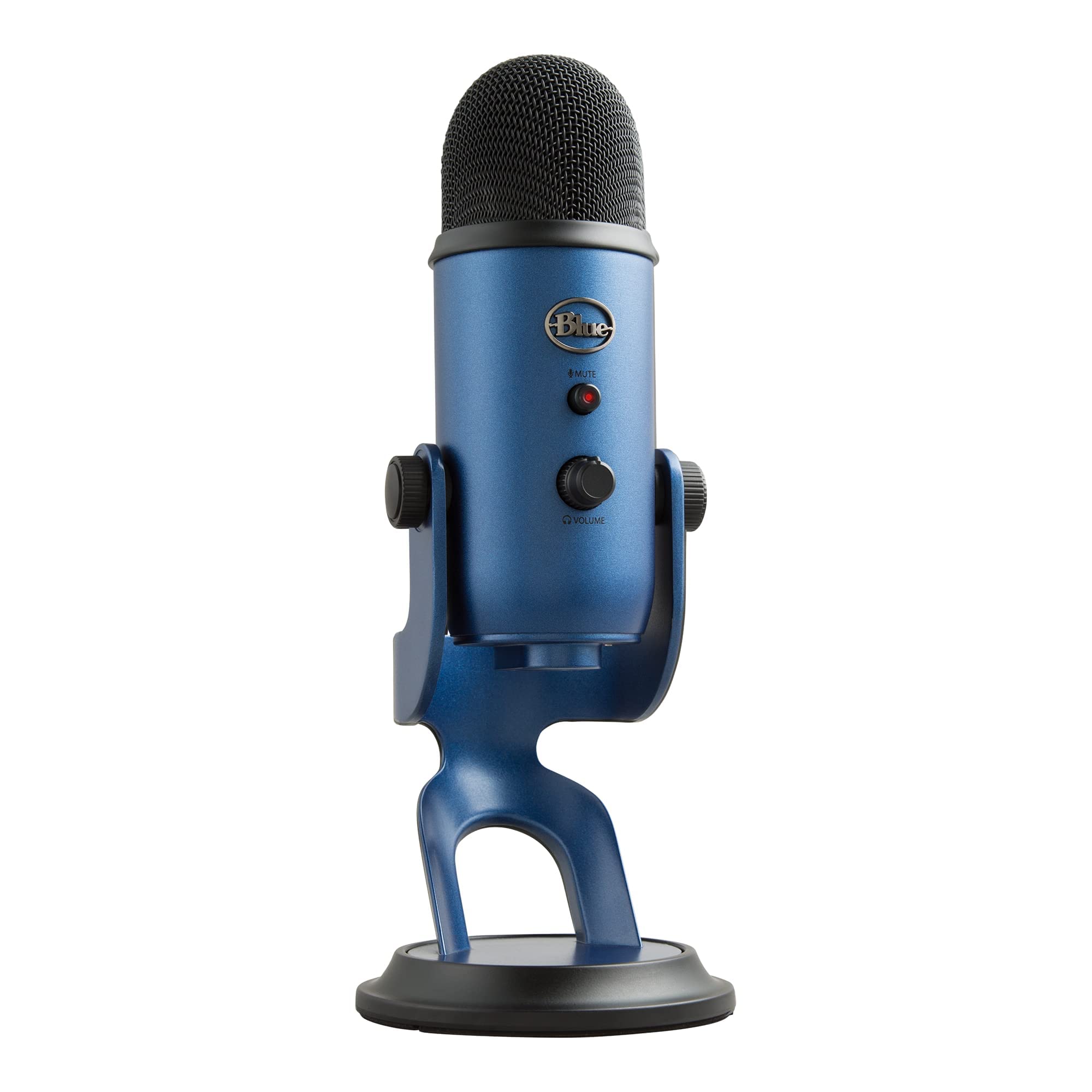
Blue Yeti

93 /100
Lab Score Outstanding

Key details

Type
Condenser
Connectivity
USB
Polar Pattern
Cardioid, Omni, Bidirectional, Stereo
Special Features
Multiple patterns, mute button
View on Amazon

The Blue Yeti delivers clear, detailed audio across four polar patterns — cardioid, omni, bidirectional, and stereo — making it a flexible choice for solo podcasters or roundtable discussions. Setup is truly plug-and-play, no drivers or interface needed.

This mic suits streamers and podcasters who can control their room's acoustics, because the condenser design picks up background noise easily. The micro-USB port may loosen over time with frequent cable movement, so it's best for a stationary desk setup rather than mobile use.

💡 Position the mic close to your mouth (6-8 inches) and enable a noise gate in your streaming software to minimize room echo.

Pros

  • Clear, rich sound quality for its price tier
  • Four polar patterns expand recording setups without extra gear
  • No software or interface needed

Cons

  • In a quiet room the condenser picks up keyboard clicks and room echo more than a dynamic mic would
  • The micro-USB connection can become loose with repeated plugging and unplugging
Our verdict

For a controlled-room streamer or podcaster who values pattern flexibility without breaking budget, the Yeti delivers — just keep the cable plugged in and the background noise under control.

Check Latest Price
5

Best Budget Kit

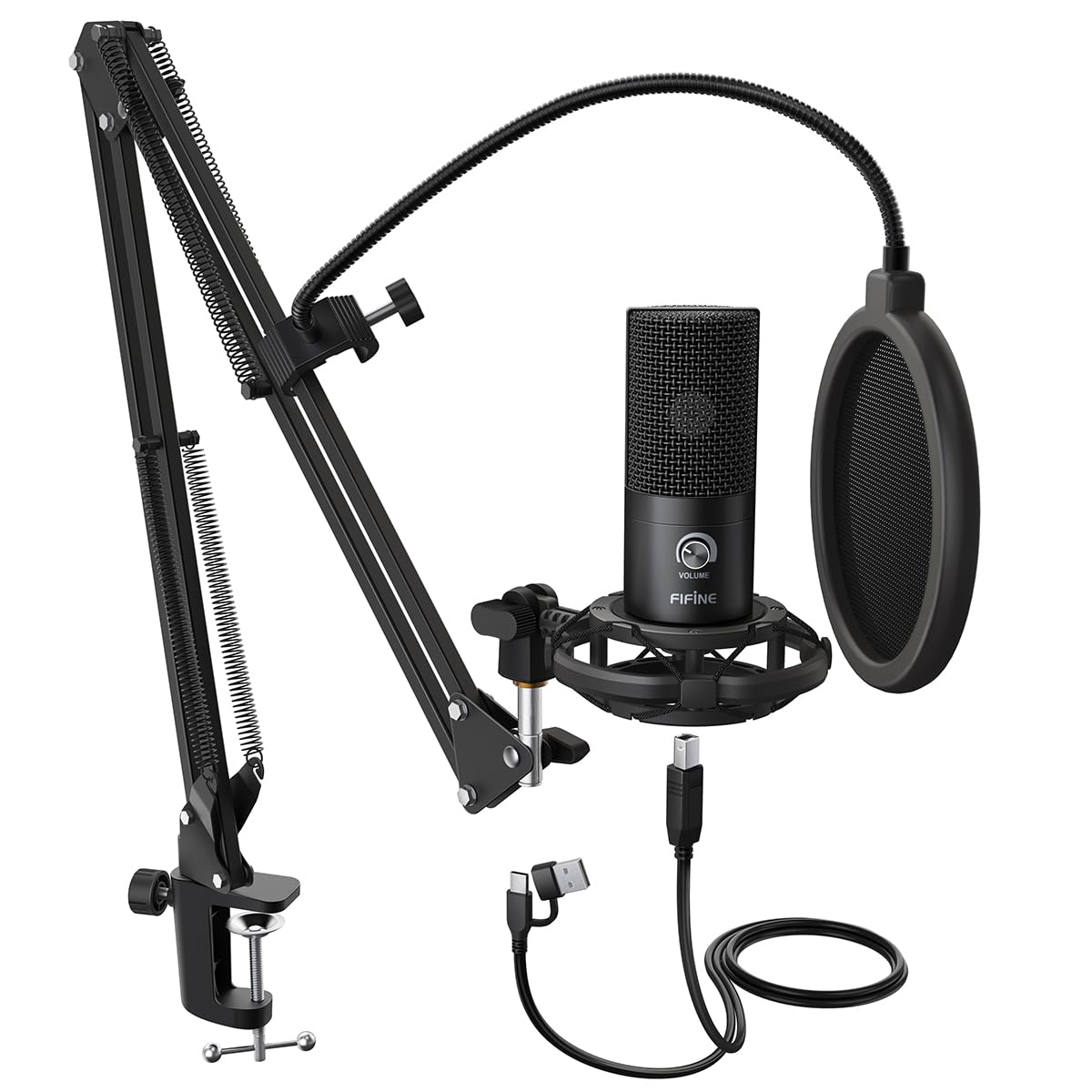
FIFINE T669

93 /100
Lab Score Outstanding

Key details

Type
Condenser
Connectivity
USB
Polar Pattern
Cardioid
Special Features
Boom arm, shock mount, pop filter
View on Amazon

The FIFINE T669 bundles a boom arm, shock mount, and pop filter with a USB condenser that captures voice clearly enough for entry-level streaming or podcasting. Setup is plug-and-play, making it accessible for anyone new to desktop audio.

This kit suits first-time streamers and podcasters who need a working setup immediately without spending extra. The tradeoff: the boom arm can feel flimsy over time, and some units have stopped working after several months of use — a known variance rather than a universal flaw.

💡 Consider a sturdier separate boom arm if you plan to reposition the mic frequently.

Pros

  • Complete kit includes boom arm, shock mount, and pop filter for a low entry cost.
  • Voice clarity is surprising for the price tier
  • Plug-and-play USB connection with no drivers needed.

Cons

  • Boom arm may loosen or feel unstable during regular adjustments; replaceable if needed.
  • Long-term reliability can vary
Our verdict

If you need an affordable all-in-one mic kit to start streaming or podcasting and can accept the build limitations, the T669 delivers on audio quality where it matters.

Check Latest Price
6

Best Simple USB

HyperX SoloCast

93 /100
Lab Score Outstanding

Key details

Type
Condenser
Connectivity
USB
Polar Pattern
Cardioid
Special Features
Tap-to-mute
View on Amazon

The HyperX SoloCast skips the bells and whistles — no headphone jack, no multi-pattern switching — and focuses on one thing: clean, clear audio from a simple USB connection. The tap-to-mute is genuinely satisfying, and the 24-bit/96 kHz recording quality punches above its price tag. For streamers or podcasters who already have a separate audio output and work in a quiet room, this is a straightforward upgrade from a headset mic. Just know that it picks up keyboard clicks and ambient noise more readily than a dynamic mic would, and you won't be able to monitor your own voice through it.

💡 Set your system audio to listen through speakers or use a separate headphone output — the SoloCast won't pass audio back to you.

Pros

  • Clean, clear sound that handles voice well for the price
  • Tap-to-mute sensor activates quickly and stays responsive
  • True plug-and-play

Cons

  • No headphone monitoring jack
  • In a typical bedroom or office, it picks up keyboard clatter and background chatter
Our verdict

If you can work without live monitoring and keep your space quiet, this is a cost-effective, no-surprises mic that does the basics right.

Check Latest Price
7

Home Studio

Audio-Technica AT2035

96 /100
Lab Score Outstanding

Key details

Type
Condenser
Connectivity
XLR
Polar Pattern
Cardioid
Special Features
80 Hz filter, 10 dB pad, shock mount
View on Amazon

The AT2035 delivers studio-quality clarity with low self-noise and high SPL handling, plus a shock mount and 80 Hz filter. However, it requires an XLR interface and phantom power, which limits its appeal for streamers seeking plug-and-play USB convenience — better suited for dedicated recording setups.

Pros

  • Studio-grade clarity and detail for vocals and instruments
  • Rugged metal construction with included shock mount

Cons

  • Requires an XLR interface and phantom power, adding cost and complexity for USB-only users
Our verdict

A smart choice for home studio owners who already have an audio interface; not ideal for streamers looking for a simple USB microphone.

Check Latest Price
8

Hybrid Streamers

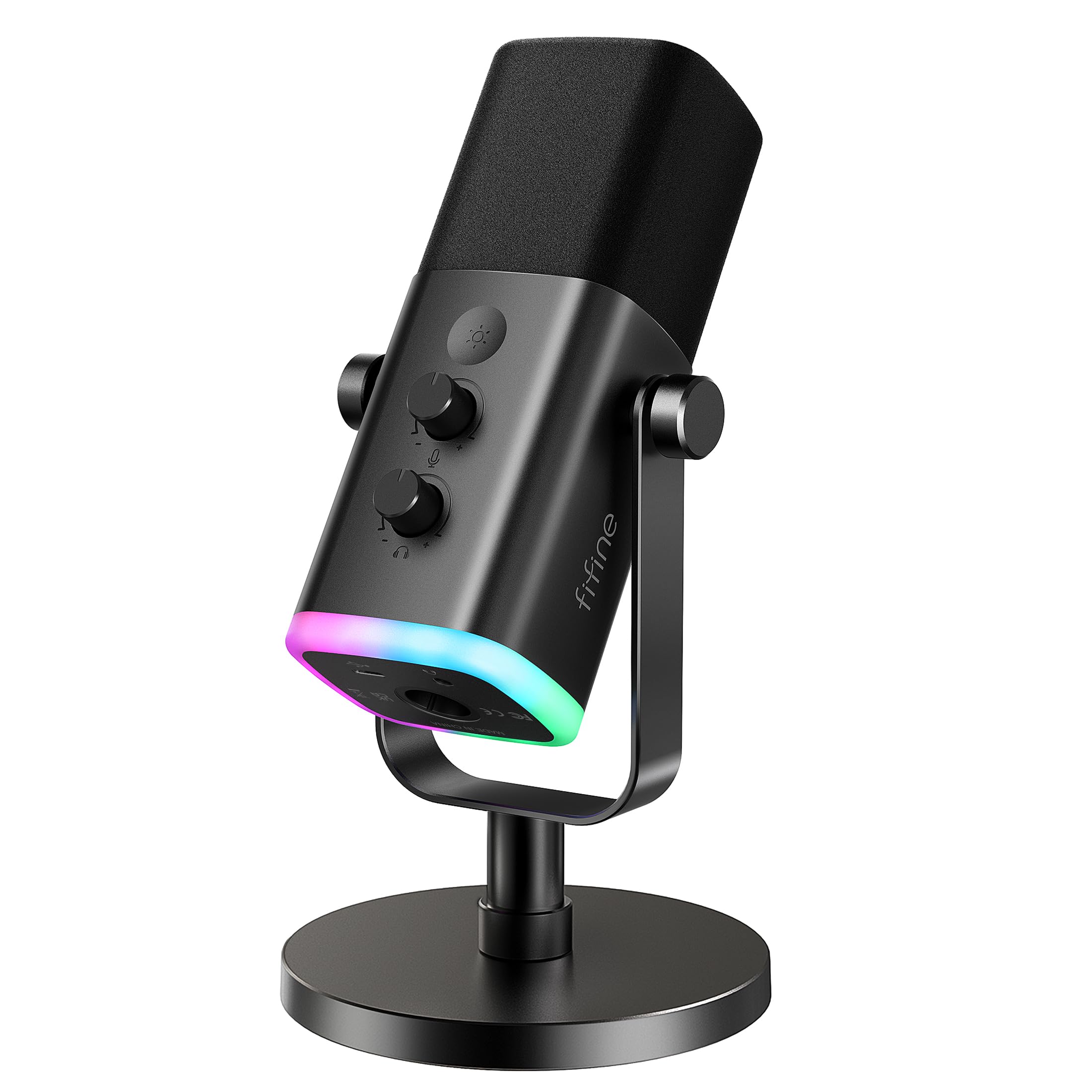
FIFINE AM8

93 /100
Lab Score Outstanding

Key details

Type
Dynamic
Connectivity
USB, XLR
Polar Pattern
Cardioid
Special Features
Dual connectivity, RGB
View on Amazon

This budget dynamic mic delivers clear audio and dual USB/XLR connectivity, letting streamers start plug-and-play and upgrade later. The cardioid pattern cuts background noise. Occasional static or crackling and uncertain long-term durability mean it suits buyers willing to accept some unit variance.

Pros

  • Clear sound for the price
  • Good value for money

Cons

  • Static or crackling can appear in some units
Our verdict

Best for budget-conscious streamers who want dynamic sound and an XLR upgrade path, accepting potential static or durability quirks.

Check Latest Price
9

Budget Buyers

FIFINE K669B

91 /100
Lab Score Outstanding

Key details

Type
Condenser
Connectivity
USB
Polar Pattern
Cardioid
Special Features
Volume knob, metal body
View on Amazon

Under $30, the FIFINE K669B offers clear audio and a handy volume knob. Its condenser design picks up background noise, and build quality can be inconsistent. Best suited as a temporary or backup mic for budget-conscious buyers, not for daily streaming.

Pros

  • Exceptional value for the price
  • Simple plug-and-play setup

Cons

  • Picks up background noise in quiet rooms
Our verdict

Fits as a low-cost backup mic for temporary use, but not for daily streaming or podcasting.

Check Latest Price
10

Compact Yeti

Blue Yeti Nano

93 /100
Lab Score Outstanding

Key details

Type
Condenser
Connectivity
USB
Polar Pattern
Cardioid, Omni
Special Features
Blue VO!CE software
View on Amazon

The Blue Yeti Nano delivers good sound quality in a compact body with simple plug-and-play setup and Blue VO!CE software. However, the micro-USB port may loosen over time, and occasional connectivity drops can interrupt a live stream. This makes it a better fit for occasional use or as a backup rather than a daily driver for streaming.

Pros

  • Compact and good sound quality
  • Easy setup and use

Cons

  • Micro-USB port may loosen over time, causing intermittent connection
Our verdict

Best suited for temporary setups or as a secondary mic where port durability isn't a daily concern.

Check Latest Price
11

Budget Gamers

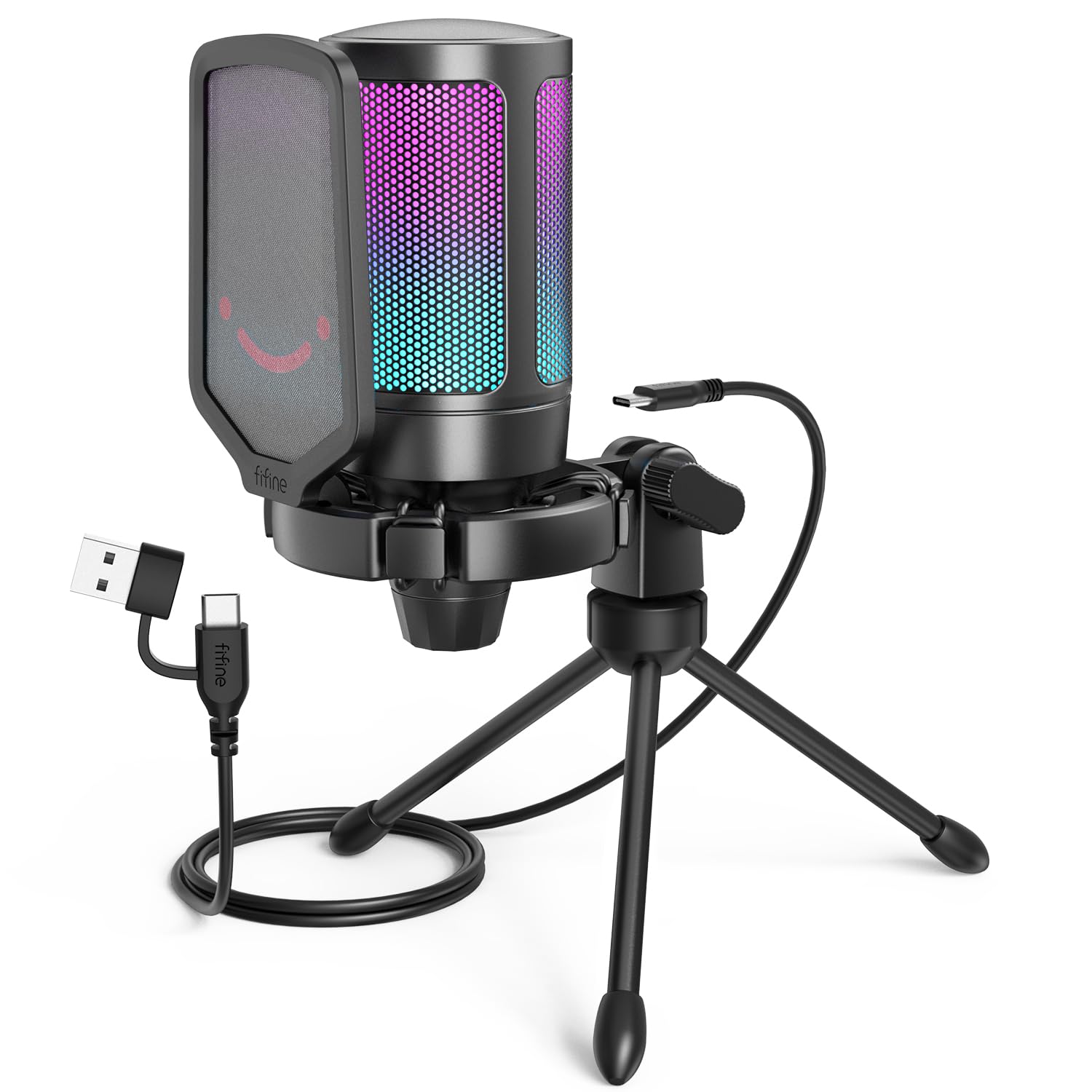
FIFINE A6V

91 /100
Lab Score Outstanding

Key details

Type
Condenser
Connectivity
USB
Polar Pattern
Cardioid
Special Features
RGB, 192 kHz sample rate
View on Amazon

The FIFINE A6V delivers clear audio and flashy RGB lighting at a budget-friendly price. However, background noise pickup is noticeable in untreated rooms, and long-term durability can be inconsistent across units — some may experience issues after months of use. It works well as a temporary streaming microphone or for gamers who prioritize aesthetics over longevity.

Pros

  • Good sound quality for the cost
  • Simple plug-and-play with RGB effects

Cons

  • Long-term durability may vary; some units may develop issues after extended use
Our verdict

Best as a temporary or secondary mic for gamers who want RGB on a tight budget.

Check Latest Price
12

Budget Beginners

MAONO A04

91 /100
Lab Score Outstanding

Key details

Type
Condenser
Connectivity
USB
Polar Pattern
Cardioid
Special Features
Boom arm, pop filter
View on Amazon

The MAONO A04 provides a full kit with clear audio for beginners. The boom arm may loosen over time and some units can develop issues after a few months - expected tradeoffs at this price. Best for those trying podcasting on a tight budget.

Pros

  • Complete kit includes microphone, boom arm, and pop filter.
  • Clear audio suitable for entry-level podcasting and calls.

Cons

  • Boom arm can loosen over time, requiring periodic adjustment.
Our verdict

A suitable starter set for casual podcasters who want a low-cost all-in-one and can accept potential build limitations.

Check Latest Price
13

Noise Cancel Gamers

MAONO DGM20S

93 /100
Lab Score Outstanding

Key details

Type
Condenser
Connectivity
USB
Polar Pattern
Cardioid
Special Features
Noise cancellation, RGB, tap-to-mute
View on Amazon

The MAONO DGM20S delivers clear audio and effective noise cancellation ideal for budget gaming setups or temporary streaming. However, the included boom arm can loosen with use, and audio cutouts may occur, making it better suited as a short-term option than a permanent studio mic.

Pros

  • Noise cancellation reduces background chatter effectively.
  • Sound quality is clear enough for voice chat and streaming.

Cons

  • Boom arm and clamp may loosen or detach with repeated adjustments.
Our verdict

Best as a temporary mic for budget gaming or short-term streaming projects where noise cancellation matters more than long-term build quality.

Check Latest Price
14

Live Vocalist

Shure SM58-CN

96 /100
Lab Score Outstanding

Key details

Type
Dynamic
Connectivity
XLR
Polar Pattern
Cardioid
Special Features
XLR cable included
View on Amazon

The Shure SM58 delivers the vocal warmth and off-axis rejection that has made it a live-performance staple for decades. Its rugged construction handles repeated drops without issue, and the cardioid pattern keeps room noise out of your stream. However, this is an XLR-only microphone with no USB option, so you will need an audio interface or mixer plus a clip-on or boom stand to use it for desktop streaming — it is not a plug-and-play solution.

Pros

  • Built to survive drops and road use without performance loss.
  • Warm, clear vocal reproduction that cuts through background noise.

Cons

  • Requires an XLR audio interface or mixer; no USB connectivity.
Our verdict

A reliable choice for streamers and podcasters who already own an XLR interface and don't mind the handheld form factor on a stand, but not for those seeking a simple USB mic.

Check Latest Price

How to Choose

Connectivity: USB vs XLR

USB mics plug directly into your computer and are ready to use in seconds. XLR mics require an audio interface or mixer, adding cost and setup time. The trade-off: USB is convenient for beginners, but XLR offers better sound quality, expandability (multiple mics), and more reliable connections over time.

If you plan to upgrade your stream setup later, consider a hybrid USB/XLR mic like the Shure MV7. It lets you start with USB and switch to XLR without buying a new mic.

Polar Pattern

Cardioid picks up sound from the front and rejects side and rear noise, making it the standard for solo streaming. Multi-pattern mics (like the QuadCast) offer omni for group recordings, bidirectional for interviews, or stereo for music.

If you stream alone in a quiet room, cardioid is enough. If you host co-streamers or record in different setups, a multi-pattern mic saves you from buying additional mics.

Pickup Type: Condenser vs Dynamic

Condenser mics are sensitive and capture more detail, but they also pick up keyboard clicks, mouse sounds, and room reverberation. Dynamic mics are less sensitive, reject background noise naturally, and work better in untreated rooms or noisy gaming spaces.

The catch: dynamic mics need more gain (a louder preamp). Some like the SM7B require a Cloudlifter or an interface with high gain. Condensers work well with most interface preamps and USB power.

Built-in Features

A built-in shock mount isolates the mic from desk vibrations and bumps. A pop filter reduces plosive sounds (P, B, T) that cause distortion. Tap-to-mute is a lifesaver for live streaming — quick and silent. Gain control lets you adjust input level without software.

These features add convenience and reduce the need for extra accessories. However, a cheap boom arm included in budget kits often breaks; consider buying a separate arm for long-term use.

Build Quality and Durability

Micro-USB ports are a common failure point — they loosen over time and cause intermittent disconnects. USB-C ports are more robust. XLR connectors lock in place and rarely fail. Metal bodies withstand drops better than plastic.

If you stream daily, invest in a mic with USB-C or XLR. Budget mics are fine for occasional use, but expect to replace the cable or arm within a year.

Frequently Asked Questions