9 Best Family Board Game of 2026: Match Your Group Size and Ages

Which family board games actually fit your real group size and age range, from toddlers to teens.

Many family board games claim broad age ranges, but the real test is whether your youngest child can grasp the rules in under five minutes. The bigger trap is player count: a game that only seats two can't anchor a family night with three or more kids. This guide cuts through the marketing to help you pick based on your actual group size and the attention span of your youngest player.

Quality and component durability also vary widely. Games that get heavy use need cards that won't tear after ten sessions and boards that lie flat. The picks here balance these trade-offs -- from quick duels to sprawling family reunions -- so you can find the one that fits your household.

1

Best Overall

Jax Sequence

96 /100
Lab Score Outstanding

Key details

ages
7+
players
2-12
playtime
~30 min
View on Amazon

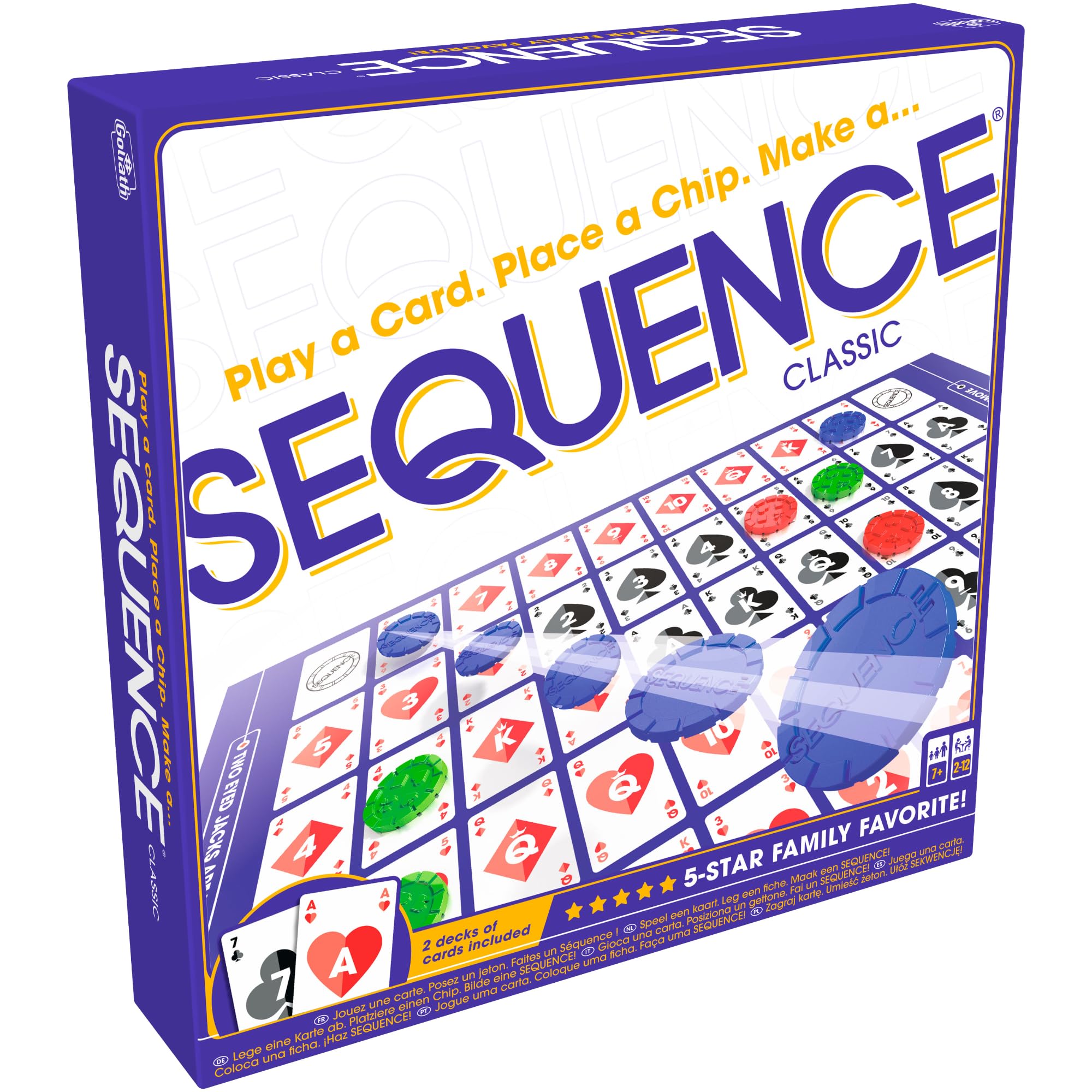
Sequence plays equally well with two players or a dozen, making it one of the few games that actually fits the full range of family gatherings. The rules take under five minutes to learn, but the mix of luck and strategy keeps players engaged well past the first round.

Best suited for mixed-age groups and large reunions, where younger kids can play alongside adults without feeling lost. The included cards are thin — after many sessions they may show wear, but this doesn't affect gameplay for most families.

💡 Using card sleeves protects the decks from tearing and keeps the game in rotation longer.

Pros

  • Scales from 2 to 12 players without losing engagement
  • Easy to learn in under five minutes, yet offers layers of strategy for experienced players
  • High replay value thanks to a balanced mix of luck and skillful planning

Cons

  • Thin card decks can develop wear after roughly 10–15 games, especially with younger players
Our verdict

For families that regularly host 6+ players across multiple generations, Sequence delivers consistent fun at a budget-friendly price.

Check Latest Price
2

Best for 2-Player Quick Strategy

Asmodee Splendor

98 /100
Lab Score Outstanding

Key details

ages
10+
players
2-4
playtime
30 min
View on Amazon

Splendor delivers a crisp 30-minute play session with heavy resin chips and straightforward rules, making it one of the fastest engine-building games at the table. It avoids the complexity of sprawling board games without sacrificing the satisfaction of building a gem-trading empire.

This works best for couples or families with kids 10 and up who want a quick, tactile strategy fix. The abstract theme – collecting gems and earning patronage – lacks a narrative hook, so younger children may lose interest before the game clicks.

💡 For younger players, try narrating the gem collection as a story to build investment in the game.

Pros

  • Quick to learn and play (30 min), yet offers satisfying strategic depth.
  • High-quality components

Cons

  • Abstract theme may not engage children under 10, as the gem-trading mechanics lack a story.
Our verdict

A premium-feeling strategy game that rewards thoughtful play in short sessions – best for couples or small families seeking a quick, tactile challenge.

Check Latest Price
3

Best for Preschoolers

Hasbro Don't Break Ice

96 /100
Lab Score Outstanding

Key details

ages
3+
players
2-4
playtime
~10 min
View on Amazon

No reading required — just tap away. This dexterity game is built for ages 3 and up, with a suspenseful block-tapping mechanic that keeps preschoolers giggling. Compared to dice-rolling alternatives like Sorry!, this one trades strategy for pure physical fun. It suits families who want a quick, laugh-filled round before moving on, but assembly can be fussy and the plastic pieces may show wear under frequent rough play. Best for introducing very young kids to turn-taking, not for siblings over age 6 who will outgrow it quickly.

💡 Keep the ice tray assembled on a flat surface — pressing blocks in on a rug can snap the legs.

Pros

  • Simple enough for even a 3-year-old to join the fun.
  • Tapping ice blocks builds suspense that keeps young kids giggling.

Cons

  • Setting up the ice tray can be fussy; the legs may pop off during assembly.
  • The plastic pieces may show wear with frequent rough play; the penguin's stability can vary.
Our verdict

A good entry-level board game for families with toddlers, but expect to help with setup and handle with care.

Check Latest Price
4

Best Deep Strategy for Teens and Adults

CATAN 6th Ed.

96 /100
Lab Score Outstanding

Key details

ages
10+
players
3-4
playtime
60-90 min
View on Amazon

The variable board setup means no two games play the same, giving CATAN strong replay value for families with kids aged 10 and up. Children under 10 will likely struggle with the rules, and a small number of boxes have missing components — inspect the contents on arrival. This makes CATAN a better fit for dedicated game night groups than for casual family gatherings with younger children.

💡 New players often need a full round to internalize the rules — expect a slower first game.

Pros

  • Deep strategic gameplay with high replayability; each board is different.
  • Engages teens and parents equally for hours of negotiation and planning.

Cons

  • Some boxes arrive missing pieces
  • Learning the initial rules takes time, especially for new players under 10.
Our verdict

A rewarding strategy game for older kids and adults who enjoy resource management and negotiation. Just confirm the box contains all pieces before the first session.

Check Latest Price
5

Best Visually Stunning

Asmodee Azul

96 /100
Lab Score Outstanding

Key details

ages
8+
players
2-4
playtime
30-45 min
View on Amazon

Azul’s tactile resin tiles and intricate mosaic patterns create a visually rich experience that families with an eye for design will appreciate. Where the top pick handles large groups with ease, Azul is a tighter 2-4 player game focused on careful placement and color matching. The scoring system takes a round to internalize – many players look up a short tutorial for the first game. Ideal for couples or art-loving families with players 8 and up who enjoy abstract strategy and don’t mind a brief learning hump.

💡 Keep the score reference card handy for the first few games – the scoring clicks after one playthrough.

Pros

  • High-quality resin tiles with vibrant artwork that feel premium to handle.
  • Easy to learn base rules with deep strategic layers for repeat plays.
  • Award-winning design that appeals to families who value aesthetics and tactile play.

Cons

  • During the first game, the scoring rules can feel vague
  • Only supports 2-4 players, which excludes larger family gatherings.
Our verdict

A premium pick for design-focused families who play in pairs or small groups – just set aside ten minutes to learn the scoring before the first round.

Check Latest Price
6

Best Gateway Tile-Laying

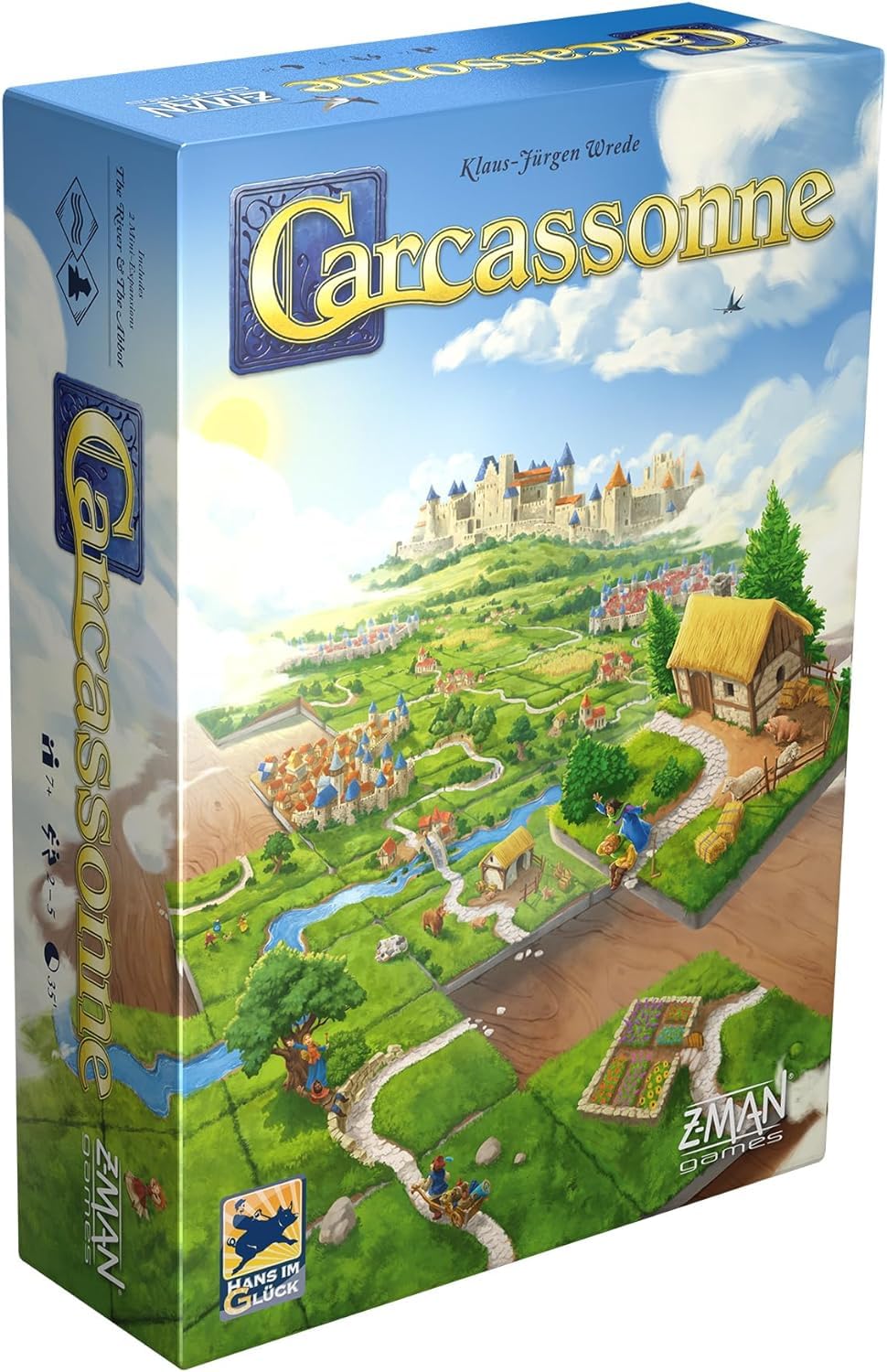
Z-Man Carcassonne

96 /100
Lab Score Outstanding

Key details

ages
7+
players
2-5
playtime
35 min
View on Amazon

Carcassonne's intuitive tile placement creates a satisfying mix of luck and planning, and the included expansions add variety without overcomplicating things. It scales well from 2 to 5 players, but its sweet spot is couples or families with kids 7 and up who want a gentle introduction to strategy games. Some rule edge cases, particularly field scoring, can lead to disagreement – groups comfortable with occasional house rules will have no trouble, while those who prefer airtight rulebooks may need to look up clarifications.

💡 Check the official FAQ for field scoring clarifications to avoid disputes – once understood, scoring flows smoothly.

Pros

  • Easy to learn (ages 7+) with enough depth for repeated play.
  • High replayability from random tile draws and included expansions.
  • Works well with 2 players and scales to 5 without losing fun.

Cons

  • Field scoring rules can cause disputes; groups comfortable with house rules will adapt.
Our verdict

For families seeking a calm, strategic tile-laying experience that works beautifully with two, Carcassonne delivers reliable fun with room to grow.

Check Latest Price
7

Budget Classic

Hasbro Sorry!

96 /100
Lab Score Outstanding

Key details

ages
6+
players
2-4
playtime
~30 min
View on Amazon

Sorry! is a nostalgic take-that game where players slide pawns around the board. Simple rules and fast play work well for families with kids 6+. That said, the cards and board feel flimsy - they can show wear with regular use, making it best for those who prioritize price over component quality.

Pros

  • Classic family game with timeless appeal and easy-to-grasp rules.
  • Budget-friendly price point delivers hours of family entertainment.

Cons

  • For families that play weekly, the card stock and board may show wear sooner than expected.
Our verdict

Best for families who want a familiar, low-cost game for occasional play and don't mind if the components show some wear over time.

Check Latest Price
8

Quick Duels

Hasbro Connect 4

96 /100
Lab Score Outstanding

Key details

ages
6+
players
2
playtime
~15 min
View on Amazon

Connect 4 delivers the same rapid-fire 4-in-a-row thrill that has defined quick two-player duels for decades. Its 2-player cap means it won't accommodate a family game night with three or more. The plastic grid may feel less solid than earlier editions, but the trade-off is instant setup and 15-minute rounds.

Pros

  • Iconic 4-in-a-row gameplay with near-endless replay value.
  • Extremely easy to learn

Cons

  • Only plays 2 players
Our verdict

Best reserved for couples or parent-child speed rounds — not a fit for group family game night.

Check Latest Price
9

Young Kids

Hasbro Trouble

95 /100
Lab Score Outstanding

Key details

ages
5+
players
2-4
playtime
~20 min
View on Amazon

The iconic Pop-O-Matic dome keeps dice contained and adds a tactile pop that young children love, making the rules instantly accessible. Build quality is on the cheaper side — the thin cardboard board and plastic pegs may show wear under regular play, so this works best for occasional family sessions or as a first board game for a 5-year-old rather than weekly game nights. It is less durable than the top pick in this set, which suits active preschoolers better.

Pros

  • Fun and engaging for young children (5+), easy to learn
  • Pop-O-Matic die roller keeps dice contained and adds tactile fun

Cons

  • Board and pieces may not hold up to frequent play
Our verdict

Best as an occasional travel game or first board game for a 5-year-old, but not for weekly family game nights.

Check Latest Price

How to Choose

Player Count

More players demands a game designed to minimize downtime, or you risk losing the attention of younger family members. Games that accommodate 4+ players often use team play or simultaneous turns to keep everyone involved. If your family has three kids, a 2-player game forces someone to sit out, turning game night into a spectator sport.

Age Range

The listed age is a rough guide, not a guarantee. Many 'ages 6+' games require reading or abstract reasoning that 6-year-olds lack. The cognitive load depends on rule complexity, memory requirements, and whether the game uses luck or pure strategy. For the youngest players, dexterity or simple matching games work best; for older kids and teens, resource management and bluffing add engagement.

Playtime

Shorter games (under 45 minutes) fit family nights with young children who have limited attention spans. Longer games offer deeper strategy but risk being interrupted by bedtime or waning interest. A 60-minute game may work with teens but frustrate a 7-year-old. Choose based on the youngest player's typical engagement window.

Frequently Asked Questions