8 Best Multiplayer Board Game of 2026: Find the Right Fit for Your Group Size

Which multiplayer board games actually handle large groups and mixed ages — and which ones fall short when the whole family gathers.

Many multiplayer board games claim to support a wide range of players, but the reality is often different. A game that works great with 4 players may feel unbalanced with 2 or drag with 6. The most common frustration is discovering that the player count on the box isn't how you'll actually play it. This guide highlights where each game truly shines — and where it doesn't.

Beyond player count, rulebook clarity and component durability are frequent pain points. Several popular games require a YouTube tutorial to understand scoring, and card quality can fade after a dozen sessions. A game that requires constant rulebook checking loses momentum fast. These aren't deal-breakers, but they affect how often you'll want to play.

The eight games here are all top-rated, but they serve very different groups. The best choice depends on your typical player count, age range, and tolerance for rule complexity. Whether you need a game for a family reunion or a weekly couples' night, there's a pick here that fits.

1

Best Overall Multiplayer Board Game
Jax Sequence

96 /100
Lab Score Outstanding

Key details

Playtime
15-30 min
Player Count
2-12
Learning Curve
Ages 7+
View on Amazon

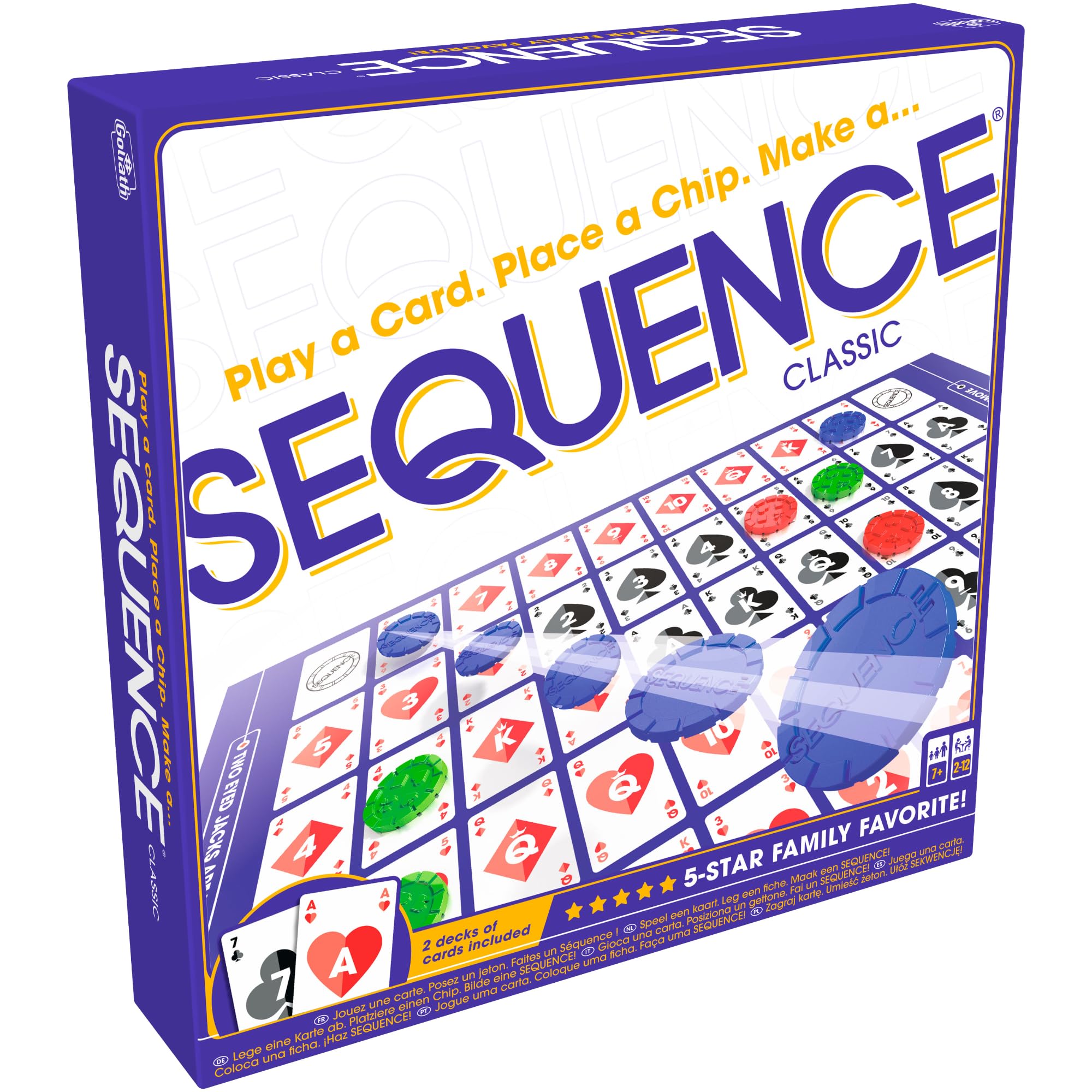
Sequence stands out by accommodating any group size from a couple to a dozen players without needing extra pieces or expansions. The rules are simple: play a card, place a chip on the matching board space, and try to get five in a row. Games wrap up in 15 to 30 minutes, making it easy to squeeze in multiple rounds during a party or family night.

The luck-and-strategy balance keeps everyone engaged — younger kids can pull off wins through card draws while adults plan blocking moves. That broad appeal makes it a reliable choice for mixed-age gatherings. One tradeoff: the paper cards can show wear after ten to fifteen sessions. Many owners swap them for plastic playing cards to extend the game’s life, which is a simple fix if you play heavily.

💡 Replace the paper cards with a standard deck of plastic playing cards if you expect heavy use; the board and chips hold up fine.

Pros

  • Highly addictive gameplay that works for ages 7 and up
  • Quick to learn and set up, with no long rulebook to study
  • Scales from 2 to 12 players without needing add-ons

Cons

  • Paper cards may tear after repeated use; some buyers replace them with plastic cards for better durability
Our verdict

If you need a single board game that works for date night, a family game evening, or a party of twelve, Sequence delivers without added cost or complexity.

Check Latest Price
2

Best for Strategy Lovers

CATAN 6th Edition

96 /100
Lab Score Outstanding

Key details

Playtime
60-90 min
Player Count
3-4
Learning Curve
Ages 10+
View on Amazon

CATAN's modular board and resource trading mechanics create a strategic depth that Sequence's luck-and-strategy hybrid doesn't match. Every game plays out differently as terrain tiles shift, and the negotiation for resources keeps players engaged throughout.

This is best for groups of exactly 3-4 players who enjoy competitive negotiation and route-building. Some units may arrive with missing roads or cities, so count all components immediately upon opening. Families with children 10+ will find the rules accessible, but larger groups will need a different game.

Pros

  • Engaging and addictive strategy gameplay with high replayability
  • Family-friendly and suitable for game nights with a clear focus on negotiation and planning.

Cons

  • Some units may arrive with missing roads, cities, or the robber piece; inspect contents on delivery.
Our verdict

If your regular game night group has 3-4 players and you want a deeper strategic challenge than Sequence, CATAN is a rewarding choice — just verify the pieces early.

Check Latest Price
3

Best Family Gateway Game

Ticket to Ride

98 /100
Lab Score Outstanding

Key details

Playtime
30-60 min
Player Count
2-5
Learning Curve
Ages 8+
View on Amazon

Ticket to Ride is easy to learn in a few minutes, with a colorful map and plastic train cars that click onto routes. Its cross-country routes blend simple rules with strategic planning, making it a go-to for family game nights. While not a deep strategy game, it offers enough choices to keep engaged.

It suits families with children 8 and up, casual strategy gamers, and couples. The rulebook is confusing enough that many players need a video tutorial, and the small cards can be tricky to hold — card holders help. Random ticket draws and blocking options give each game a different feel.

💡 A quick YouTube tutorial helps navigate the rulebook, and card holders make the small cards easier to manage.

Pros

  • Fun and easy to learn for all experience levels
  • Appeals across generations, from kids to grandparents
  • Strategic depth without complex rules

Cons

  • Rulebook can be confusing, often requiring a video tutorial to clarify
  • Cards are small and may be difficult to hold for some players
Our verdict

A strong value for a polished family strategy game that prioritizes accessibility — well-suited for groups who want a quick, engaging train adventure.

Check Latest Price
4

Best Abstract Strategy for Small Groups

Azul

96 /100
Lab Score Outstanding

Key details

Playtime
30-45 min
Player Count
2-4
Learning Curve
Ages 8+
View on Amazon

The Spiel des Jahres-winning Azul pairs stunning resin tiles with tight, competitive abstract strategy for 2-4 players. It excels as a two-player game for couples and is best for small groups that enjoy tile-laying puzzles. The scoring system uses a layered rulebook that is not well explained; a brief video tutorial can clarify it.

💡 Watch a short online tutorial to understand scoring before your first game.

Pros

  • Addictive abstract strategy that rewards thoughtful moves
  • Premium resin tiles and vibrant visuals elevate the table presence
  • Nice balance between luck of tile draws and strategic placement

Cons

  • Unclear rulebook makes scoring hard to grasp without external help
Our verdict

Azul is the ideal pick for couples and small strategy groups who prize aesthetics and tight gameplay over large group parties.

Check Latest Price
5

Best Cooperative Experience

Pandemic

96 /100
Lab Score Outstanding

Key details

Playtime
45-60 min
Player Count
2-4
Learning Curve
Ages 8+
View on Amazon

Pandemic shifts the board game dynamic from competition to collaboration, demanding teamwork and strategic planning to stop global outbreaks. Unlike resource-trading games that pit players against each other, Pandemic pits the group against the game itself. Best for groups that enjoy a tough, cooperative puzzle and are willing to invest in learning the rules. The difficulty curve can be steep; some groups may find repeated losses frustrating, but those who persist get a rewarding challenge.

💡 Start with the introductory difficulty setting to ease into the rules — adjusting difficulty after a few games helps avoid early frustration.

Pros

  • Engaging cooperative gameplay that forces team coordination
  • High replayability with variable difficulty settings
  • Strategic depth accessible without overwhelming complexity

Cons

  • Very challenging; can frustrate groups expecting a lighter experience
  • Rules complexity may confuse new players during first session
Our verdict

For groups seeking a cooperative test of strategy and teamwork, Pandemic delivers a tense, replayable experience — provided everyone is ready for the difficulty.

Check Latest Price
6

Families & Beginners

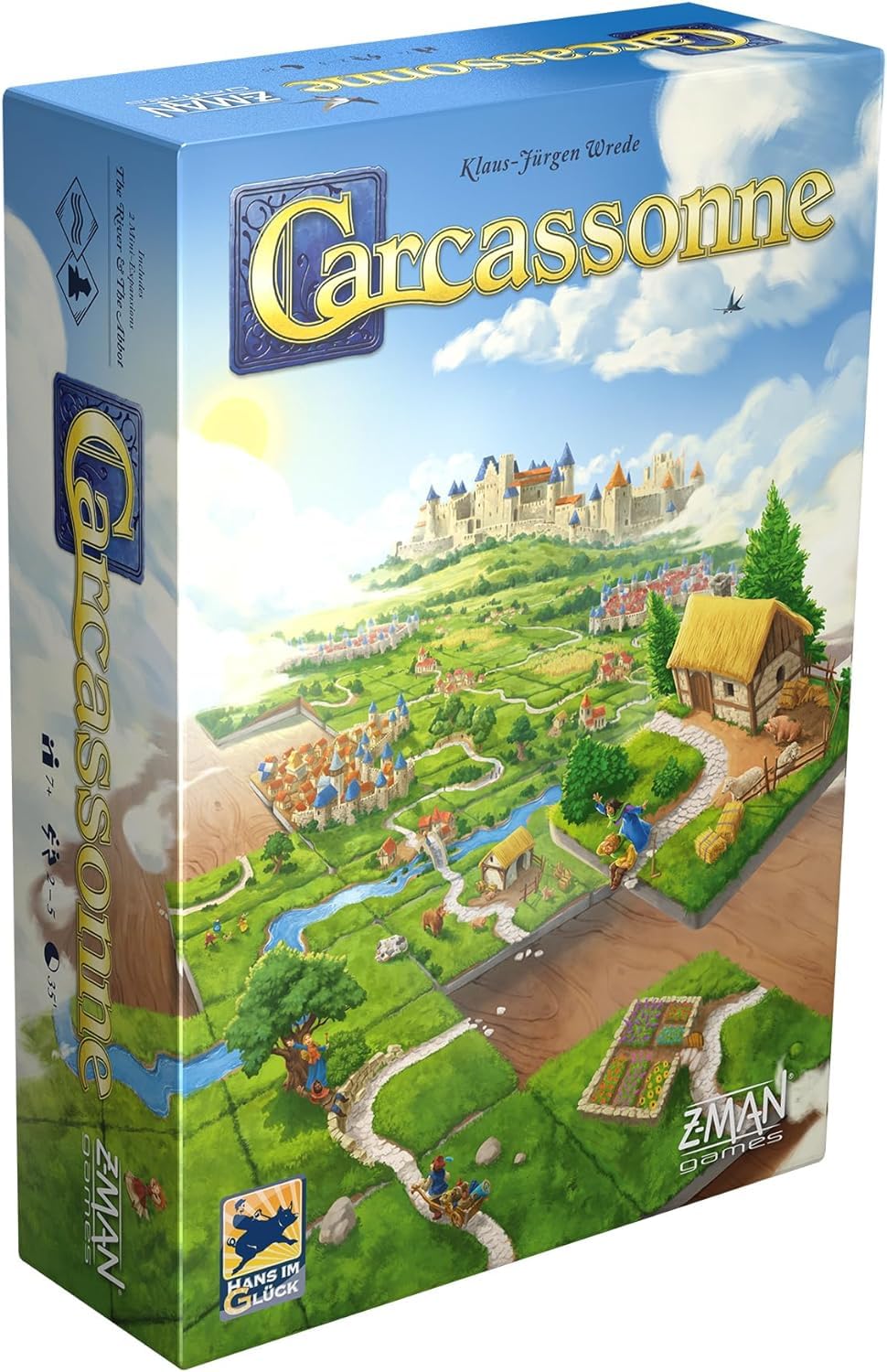
Carcassonne

96 /100
Lab Score Outstanding

Key details

Playtime
35 min
Player Count
2-5
Learning Curve
Ages 7+
View on Amazon

Easy to learn and engaging for families, though field scoring rules can be ambiguous — an online guide helps. It offers good value with the included expansions, but its simpler design means it won't satisfy those seeking deeper strategy.

Pros

  • Tile-laying gameplay is easy to pick up and enjoyable for all ages.
  • Plays in 35 minutes, making it ideal for family game nights.

Cons

  • Field scoring rules are not clearly explained in the manual
Our verdict

Best suited for families and new gamers who want a light strategy game without complex rules, but more experienced players may find it too simple.

Check Latest Price
7

Quick Spatial Fun

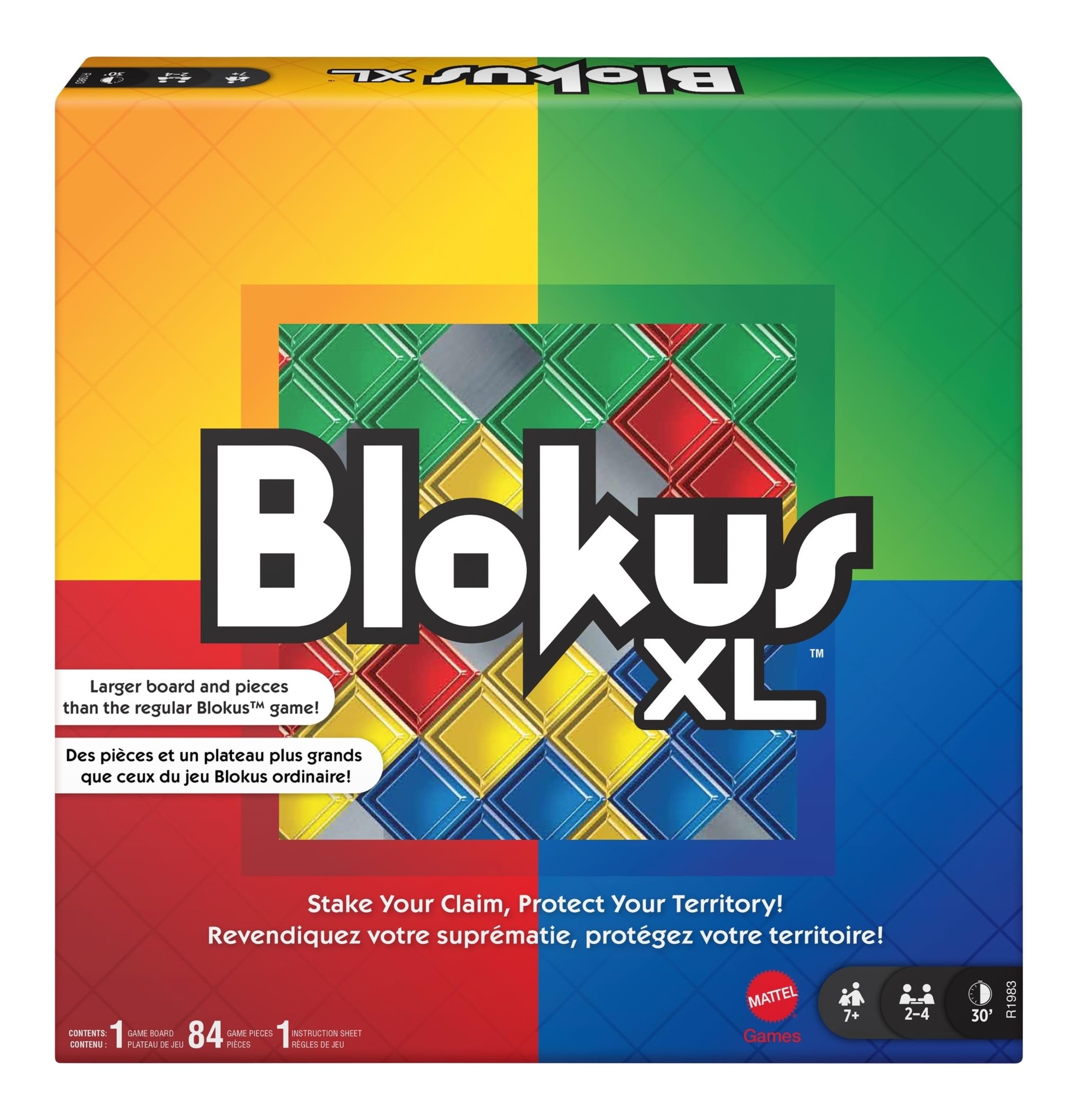
Blokus XL

96 /100
Lab Score Outstanding

Key details

Playtime
20-30 min
Player Count
2-4
Learning Curve
Ages 7+
View on Amazon

Blokus XL uses one rule (corner-only contact) for 20-30 minute rounds on an oversized board that's easy for all ages. The spatial puzzle is engaging for families, but with two players the game loses its strategic tension; it really needs three or four to shine.

Pros

  • Engaging for all ages with simple rules that spark addictive spatial puzzle solving.
  • Develops spatial reasoning and strategic planning through corner-only placement.

Cons

  • May feel too simple for players who prefer deeper strategy games like Azul or Carcassonne.
Our verdict

Best for families and puzzle fans who regularly have three or four players; two-player only groups will find it lacking.

Check Latest Price
8

Two-Player Casual

Pressman Mancala

95 /100
Lab Score Outstanding

Key details

Playtime
Player Count
2
Learning Curve
Ages 6+
View on Amazon

The Pressman Mancala offers timeless gameplay with a wood board and glass pieces at a budget-friendly price. However, build quality is inconsistent — hinges may wear out and stones can arrive cracked, making it best for occasional use rather than long-term play.

Pros

  • Classic two-player game that teaches counting and strategy through simple mechanics.
  • Quality wood board with glass stones for a satisfying tactile experience.

Cons

  • After moderate use, the board hinges can loosen or break
Our verdict

Best suited for parents teaching kids the basics of Mancala on a budget, as long as you're comfortable with possible hinge wear.

Check Latest Price

How to Choose

Player Count

Every game has a sweet spot that may differ from its advertised range. A 2-5 player game often plays best at 3 or 4; two-player variants can feel unbalanced or lack tension. Games that claim 6+ players often require expansions to work well at higher counts, or become chaotic with turns that drag.

Check whether the game includes special rules or components for different player counts. Some games, like Sequence, are designed to scale linearly — others need house rules to fill the gap. If you regularly host 8+ people, prioritize titles that have multiple copies of key pieces or support team play.

Playtime

Playtime listed on the box assumes everyone knows the rules. First sessions often run 50% longer. A 60-minute game can stretch to 90 minutes with new players, which affects patience and attention spans — especially for younger or casual gamers.

Short playtime games (under 45 minutes) are better for mixed-age groups and filler nights. Longer games (60-90 minutes) reward planning and negotiation but require a dedicated group. Consider your typical evening: if you have only an hour, pick a game that actually finishes in that window with setup and cleanup.

Complexity vs. Accessibility

Age ratings are a rough guideline, but the real learning curve depends on rulebook clarity and how intuitive the mechanics are. A game rated 8+ might still stump adults if the scoring system is opaque — Azul is a prime example where most players need a video tutorial to score correctly.

Focus on the number of rules pages and whether the game offers player aids. Games with a single core rule (like Blokus) are instantly accessible. Titles with multiple phases or exceptions (like Pandemic) require at least one player to study the rules ahead of time. Match the complexity to the least experienced player at your table.

Replayability

Replayability comes from randomization, asymmetric roles, or modular boards. A game with a fixed setup (like Mancala) can still be replayable if the strategy is deep, but most groups tire of it faster than titles with variable layouts. Modular hexes, shuffled cards, or role powers keep each session feeling fresh.

Also consider expansion support. Games like CATAN and Carcassonne have extensive expansions that add new mechanics and player counts. If you plan to play the same game regularly, an expandable system extends its lifespan significantly.

Frequently Asked Questions