13 Best Party Board Game for Adults of 2026: Family Hits Adults Love

Which party board games actually delight adult groups, from rowdy icebreakers to tense social deduction — and which ones fizzle after one play.

Many shoppers assume an adult party board game must be loaded with dark humor or mature themes. The real surprise is that the games adults keep coming back to are the same ones they'd play with their cousins or grandparents — clean, fast, and effortlessly funny.

That doesn't mean these games are tame. A clever word-association challenge can spark heated debates, while a good hidden-identity game generates more tension than a poker match. The real ingredient isn't the theme, it's whether the game fits your group's mood.

The trick is matching mechanics to your party's size and energy. Too complex and the room goes quiet; too random and interest evaporates. This guide isolates the ones that hit the sweet spot, so you spend less time explaining rules and more time laughing.

1

Best Overall

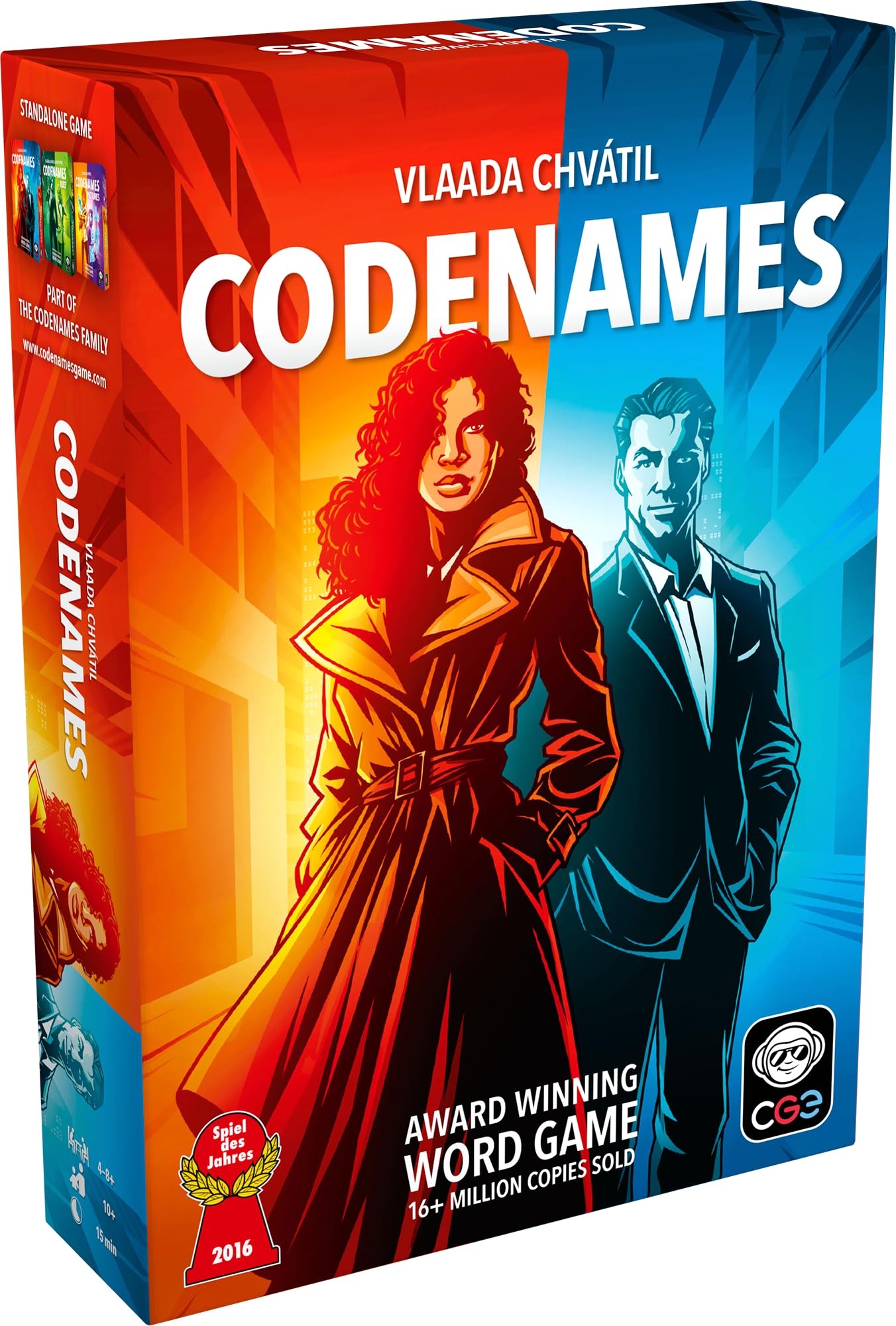
Codenames

96 /100
Lab Score Outstanding

Key details

Play Time
15 min/round
Player Count
4-8+
Core Mechanic
Word association, team-based
Learning Curve
<5 min teach
View on Amazon

Codenames scales from 4 to 12+ players, making it the flexible centerpiece for any adult party. The 2nd edition updates the word list and includes a better insert, but the core stays the same: two teams compete to identify their agents across a 5x5 grid of words using one-word clues from a spymaster. Clues can be clever, risky, or hilariously misguided, sparking lively discussion and creative thinking. No player elimination keeps everyone engaged, and the sheer variety of word combinations means the game remains fresh over countless sessions.

This game shines when mixed adult groups want wordplay and light strategy, not pure brain-off silliness. The spymaster role can feel more like a mental puzzle than a casual activity — less suited for gatherings where the goal is complete relaxation. For couples hosting game nights or parties with fluctuating numbers, it's a dependable hit that never wears out its welcome.

💡 Rotate the spymaster role frequently to spread the mental load, especially when playing with mixed vocabulary levels.

Pros

  • Blends team competition with creative word association for endlessly fresh rounds.
  • Explains in under two minutes, yet supports strategic depth for seasoned groups.
  • Handles 4 to 12+ players equally well, making it the centerpiece of any game night.

Cons

  • The spymaster role can feel mentally taxing, so it's not ideal for a purely lighthearted, brain-off party.
Our verdict

Codenames is the party game to reach for when you want a quick-to-teach, infinitely replayable word game that handles any group size — just not when the goal is total mental disengagement.

Check Latest Price
2

Best Icebreaker Word Game

Blank Slate

96 /100
Lab Score Outstanding

Key details

Play Time
20-35 min
Player Count
3-8
Core Mechanic
Fill-in-the-blank word game
Learning Curve
Seconds to start
View on Amazon

Fill-in-the-blank word game with reusable dry-erase slates for instant, low-pressure laughs. Where Codenames pins the spotlight on a single spymaster, Blank Slate shares the stage equally — everyone writes privately, then reveals simultaneously, creating moments of unexpected alignment or hilarious dissonance. It thrives as an icebreaker at mixed adult gatherings, from casual dinner parties to raucous family nights, because the cooperative scoring defuses any pressure to perform. That gentle approach, though, means groups who prefer tactical maneuvering or winner-take-all tension may find it too tame; likewise, the 3–8 player limit pushes larger crowds into team mode.

💡 For groups larger than 8, split into teams or pair up; the scoring track only tracks 8 individual players, but doubling up preserves the fun.

Pros

  • Hilarious reveal moments when players discover wildly different or unexpectedly similar answers.
  • Seconds to teach and start, making it an ideal party opener or filler game.
  • Non-competitive design levels the field between strangers and old friends, inviting everyone to participate.

Cons

  • The cooperative, low-stakes format may fall flat for groups that prefer competitive scoring and dramatic eliminations.
Our verdict

Blank Slate turns a simple fill-in-the-blank prompt into a shared laugh — a go-to for any gathering where breaking the ice matters more than keeping score.

Check Latest Price
3

Best Social Deduction Experience

Secret Hitler

98 /100
Lab Score Outstanding

Key details

Play Time
~30 min
Player Count
5-10
Core Mechanic
Social deduction, hidden identity
Learning Curve
View on Amazon

Where pocket-sized bluffing games cap at 6 and wrap in minutes, Secret Hitler stretches to 10 players and fills the table with heavy wooden components. The 1930s aesthetic is charmingly detailed, though the theme can feel divisive for some adult groups. It also demands at least 5 players to function; fewer than that and the hidden-identity tension collapses.

Secret Hitler thrives with 7–10 adults who treat game night as rowdy, high-stakes theater. The legislative voting and secret fascist roles reward groups that enjoy arguing, lying, and dramatic reveals. If your party prefers light-hearted word games and quick laughs, the top pick serves that crowd better. But for groups that make deception an art form, this becomes the evening’s centerpiece.

💡 The price reflects the wooden components; if the game sees fewer than a dozen plays a year, a smaller deduction game may offer more value per session.

Pros

  • Explosive social deduction that fuels passionate arguments and unforgettable moments
  • Production quality that feels more like a premium board game than a party game, with heavy wooden components and foil details
  • Well-tuned for the rare and desirable 7–10 player count, making it a standout at larger gatherings

Cons

  • Premium price tag may feel steep if the game only reaches the table occasionally
Our verdict

For 6–10 player social deduction nights, no other adult party game delivers this level of production and theatrical tension. The wooden heft justifies the cost when it hits the table regularly.

Check Latest Price
4

Best Lightning-Fast Silly Fun

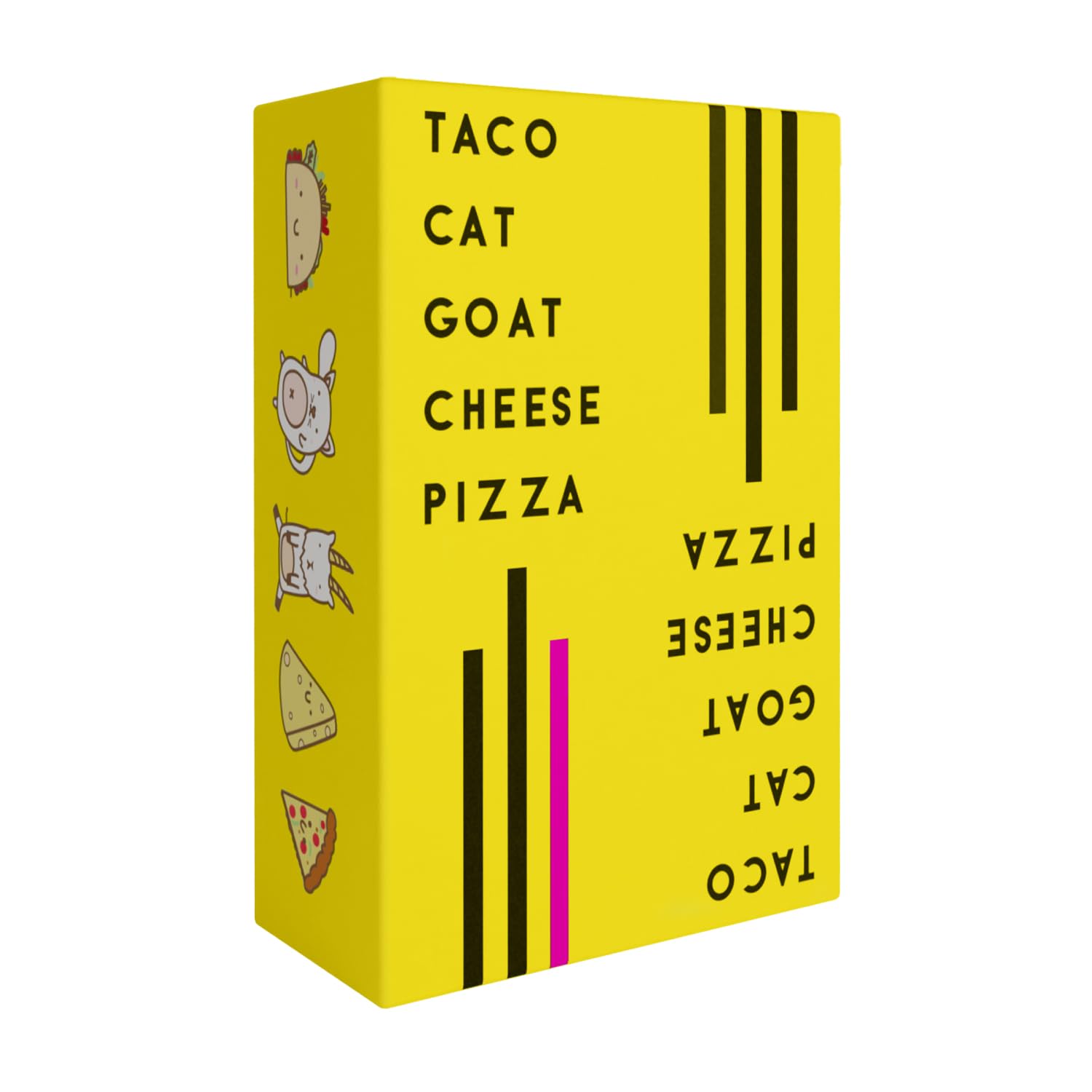
Taco Cat Goat Cheese Pizza

96 /100
Lab Score Outstanding

Key details

Play Time
10-15 min
Player Count
2-8
Core Mechanic
Slap-style reflex card game
Learning Curve
Under 1 min teach
View on Amazon

Where the top pick rewards clever wordplay, Taco Cat Goat Cheese Pizza substitutes that cerebral tension with pure slap-happy reflexes. Each 10-minute round has players flipping cards while chanting 'taco cat goat cheese pizza,' then slamming hands on the pile when a card matches the spoken word. The resulting chaos fills a room with laughter faster than any strategy game could.

It's built for adult groups who want a loud, physical icebreaker that needs zero explanation — not for those who prefer to sit and think. If your gathering is a rowdy dinner party where hand-slapping won't disturb neighbors, this pocket-sized deck delivers.

Pros

  • Delivers instant, laugh-out-loud chaos that breaks ice at adult gatherings in seconds.
  • Extremely fast to teach and play; rounds last only 10-15 minutes, keeping energy high.
  • Tiny box (2.5 x 3.6 inches) makes it effortless to toss into a bag for camping, bars, or travel.

Cons

No notable drawbacks to flag.

Our verdict

When the goal is instant, screaming fun with zero setup, this tiny deck is the one to bring to bars, campsites, and loud house parties.

Check Latest Price
5

Best Strategy Card Game for Groups

SKYJO

96 /100
Lab Score Outstanding

Key details

Play Time
~30 min
Player Count
2-8
Core Mechanic
Set collection, luck & strategy
Learning Curve
<5 min teach
View on Amazon

Unlike word-association party games, SKYJO relies on numerical set collection and a brisk push-your-luck mechanic that keeps turns moving without stalling conversation. The game's quick teach and short rounds suit adult gatherings where players range from casual to competitive, from college students to grandparents. Players who demand pure skill may find the luck-driven final tally unsatisfying, but for groups treating a game as social lubricant, that same unpredictability fuels replay.

Pros

  • Brisk, addictive gameplay blends luck and strategy, keeping groups engaged through repeated rounds.
  • Takes under two minutes to teach, even to guests who rarely play card games.
  • Accommodates mixed ages and player counts from 2 to 8, making it a staple for family gatherings and parties alike.

Cons

  • The luck-driven final scoring can frustrate players who want their decisions to directly determine the winner.
Our verdict

If Codenames’ wordplay feels too cerebral, SKYJO’s rapid numerical decisions and broader appeal across generations make it a worthy second option.

Check Latest Price
6

Best Conversation Starter

Wavelength

96 /100
Lab Score Outstanding

Key details

Play Time
30 min
Player Count
2-12+
Core Mechanic
Spectrum guessing, cooperative
Learning Curve
<5 min teach
View on Amazon

Wavelength swaps competitive trivia for a cooperative spectrum-guessing challenge: one player sets a secret target on a spectrum like 'hot' to 'cold' and gives a clue to guide teammates. The arguments that erupt over where 'sandwich' lands on that scale are where the game truly shines. It scales from 2 to 12+ players, so couples and large parties both work. The game's cooperative, talkative nature makes it ideal for groups who enjoy debating abstract ideas and learning how friends think.

Pros

  • Generates hilarious, revealing conversations as players argue over where 'sandwich' falls on the hot/cold spectrum
  • Works for groups of 8+ and scales down to 2 players for couples
  • Extremely easy to teach and fast to set up

Cons

  • Plastic dial handle can snap off with rough handling, a durability concern for rowdy parties
Our verdict

A conversation-sparking game for groups who prioritize laughter over competition, provided you treat the device gently.

Check Latest Price
7

Casual Gambling

LCR Dice Game

96 /100
Lab Score Outstanding

Key details

Play Time
~2 min/round
Player Count
3+
Core Mechanic
Pure luck dice game
Learning Curve
Instant, no teach
View on Amazon

LCR strips dice gaming to zero decisions: roll, pass chips, and cash changes hands based purely on luck. The tin is pocket-sized, and the tension spikes when adults bet quarters or dollars. It's a gambling activity, not a strategy game — perfect for bar crowds wanting quick stakes, but a mismatch for groups seeking meaningful choices.

Pros

  • Anyone can join instantly, no rules explanation needed
  • Playing with real money creates genuine tension rarely found in party games this simple.

Cons

No notable drawbacks to flag.

Our verdict

This is the right call for bar nights or casual hangouts where cash bets and zero thinking are the appeal. Groups craving strategic play should look elsewhere.

Check Latest Price
8

Small Group Bluffing

Coup

96 /100
Lab Score Outstanding

Key details

Play Time
15 min
Player Count
2-6
Core Mechanic
Bluffing, social deduction
Learning Curve
Under 5 min teach
View on Amazon

Coup distills bluffing to its purest form: each 10-15 minute round forces players to read opponents and lie confidently. The tiny box makes it a pub or travel staple. However, it caps at six players, so it can't scale to larger adult parties. Its confrontational nature also won't suit groups seeking cooperative humor.

Pros

  • Fast, tense bluffing game where each round feels like a high-stakes poker hand.
  • Quick to teach (under 5 minutes) and plays in 10-15 minutes, letting the group meta evolve across multiple rounds.

Cons

  • The confrontational bluffing can feel off-putting for groups that prefer lighthearted, cooperative humor.
Our verdict

For groups of up to 6 who relish calling bluffs, this tiny box delivers endless drama — but if you're hosting a larger party, look at the top pick.

Check Latest Price
9

Physical Comedy

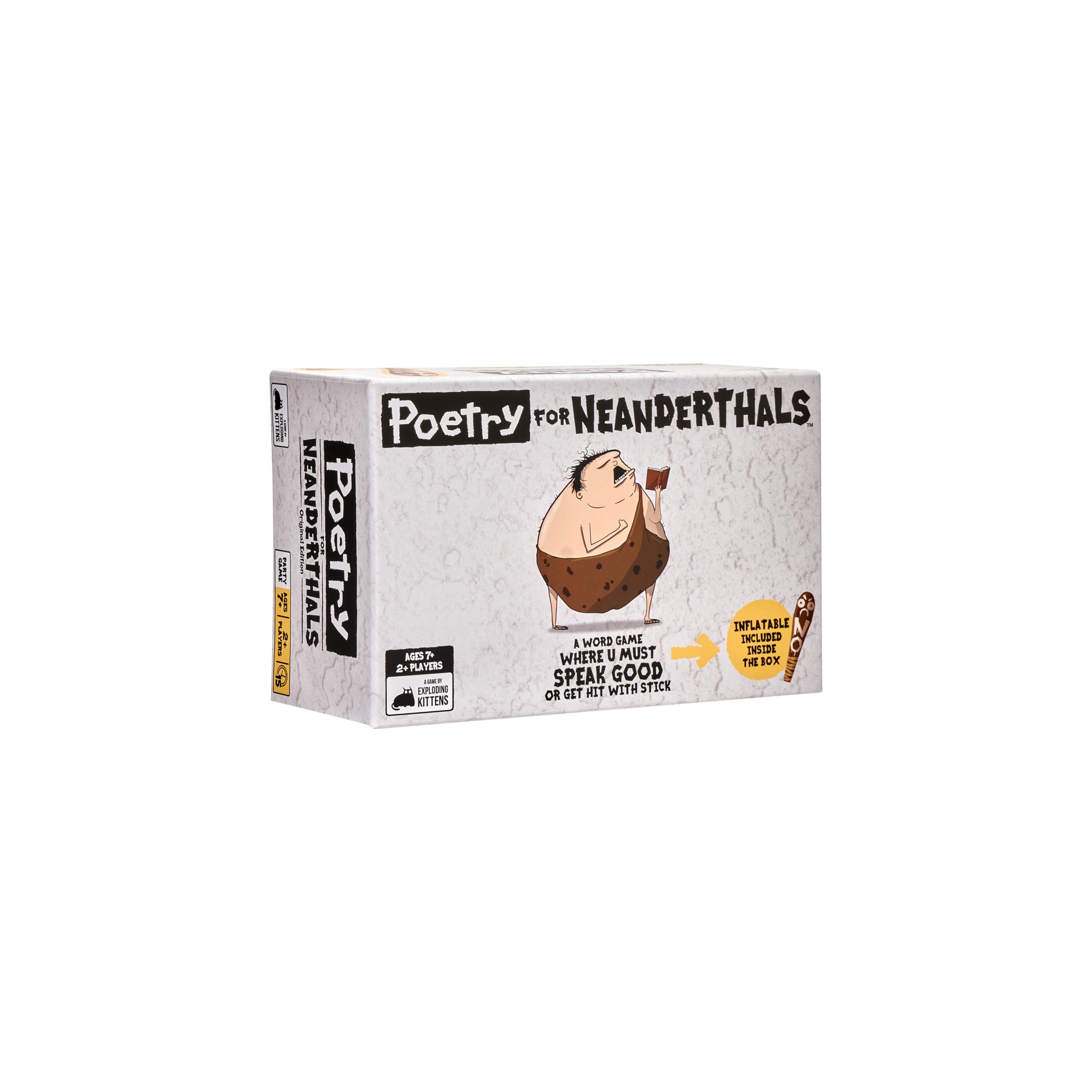
Poetry for Neanderthals

96 /100
Lab Score Outstanding

Key details

Play Time
15 min
Player Count
2-6 (teams)
Core Mechanic
Word-guessing with prop
Learning Curve
<5 min teach
View on Amazon

Slapstick physical comedy and single-syllable clues make this a quick-hit icebreaker for loud adult parties. Cooperative guessing keeps the mood light. The bopping gimmick won't suit every group—it thrives with 4–6 players who embrace silliness. For a less physical word game, Blank Slate has broader appeal, placing this in 'also consider'.

Pros

  • Slapstick physical humor with the inflatable 'No!' stick creates a uniquely silly, laugh-till-you-cry atmosphere
  • Simple rules make it ideal for mixed adult groups, even after a few drinks

Cons

  • The slapstick bopping can feel off-putting for reserved groups, and the game plays best with 4–6 players
Our verdict

Pick this when your group wants a physical, laugh-out-loud word game and you have 4–6 players ready to get silly; if your party skews reserved or larger, Blank Slate is the safer bet.

Check Latest Price
10

Chaotic Filler Game

Exploding Kittens Party

95 /100
Lab Score Outstanding

Key details

Play Time
15 min
Player Count
2-10
Core Mechanic
Take-that elimination card
Learning Curve
<5 min teach
View on Amazon

The Party Pack throws you into quick, slapstick rounds that easily seat 10, with Oatmeal’s dark art amplifying the laughs. The musical box may stay silent, but for its role as a low-stakes party starter, that’s a forgivable trade-off.

Pros

  • Fast, chaos-driven rounds that grab groups with Oatmeal’s art and 15-minute playtime.
  • Plays 2–10, scaling from small dates to large parties without added friction.

Cons

  • Elimination can sideline players early, which may frustrate groups that dislike sitting out for several minutes.
Our verdict

For parties that put chaotic laughs above all else, this pack fills the gap between arrival and the main event.

Check Latest Price
11

Large Party Humor

CAH Family Edition

96 /100
Lab Score Outstanding

Key details

Play Time
Varies
Player Count
4-20+
Core Mechanic
Judgment-style humor card
Learning Curve
Instant, simple
View on Amazon

The same fill-in-the-blank format as the original powers 600 cards of body-function humor that lands with a broad adult audience. Large groups of 10 to 20+ play smoothly without setup friction. The trade-off: groups craving the original's edgy shock value will find the joke pool one-dimensional and juvenile after a few rounds.

Pros

  • Generates fast, laugh-out-loud moments with body-function humor that plays well across different adult sensibilities.
  • Scales seamlessly to 20+ players, keeping the energy high at big gatherings.

Cons

  • The joke pool revolves around toilet humor, which can feel repetitive after several rounds for groups seeking variety.
Our verdict

For adult parties where toilet humor is a crowd-pleaser and the goal is quick, low-overhead fun for a crowd of 10+, the Family Edition hits the mark. It's not for groups that want the original's darker bite.

Check Latest Price
12

Creative Color Debate

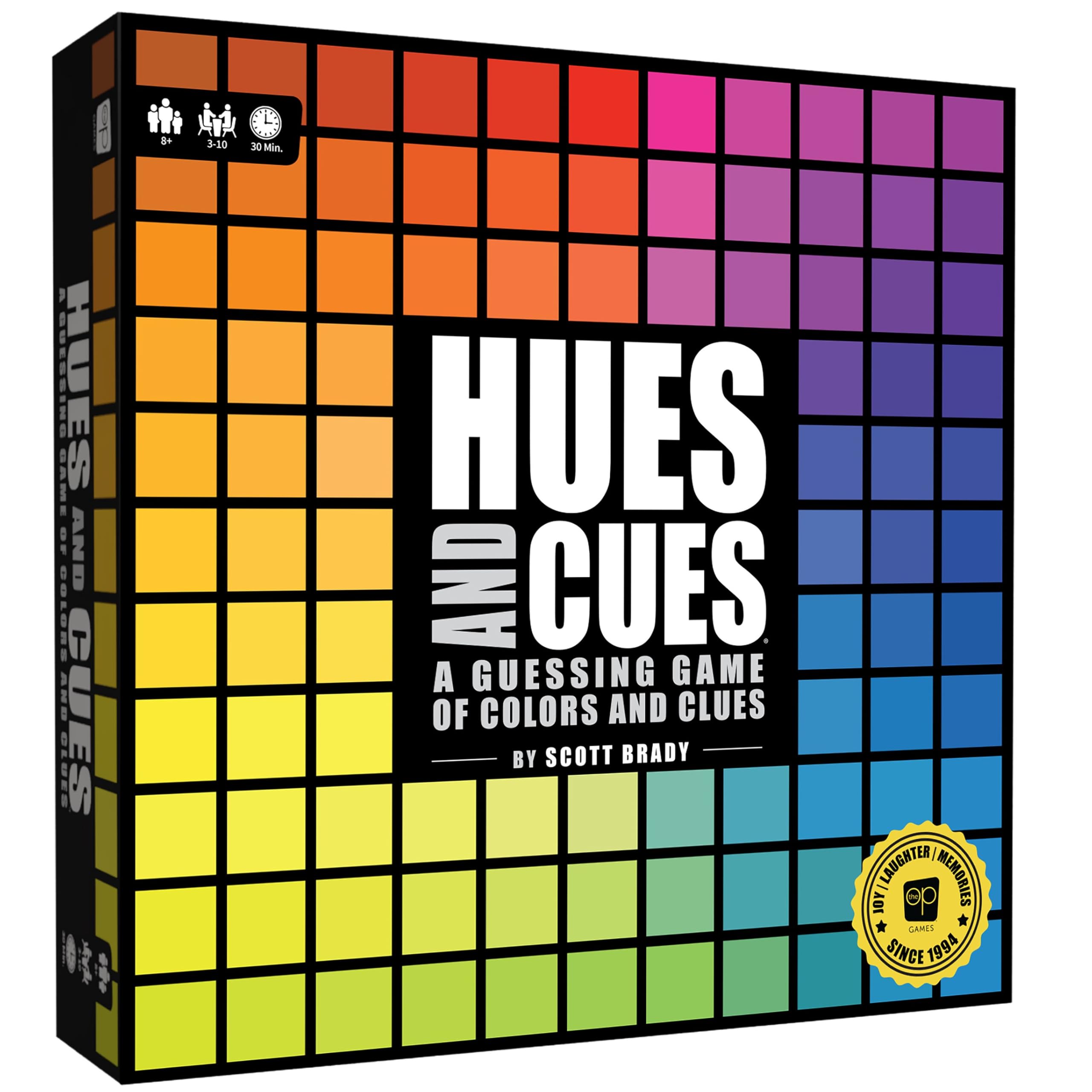
Hues and Cues

95 /100
Lab Score Outstanding

Key details

Play Time
30 min
Player Count
3-10
Core Mechanic
Color-guessing party game
Learning Curve
<5 min teach
View on Amazon

Hues and Cues turns color perception into an engaging, conversation-driven party game. The card-and-board color mismatch can cause occasional confusion, and some copies arrive with flimsy components—this works for groups that enjoy playful disagreements over precision.

Pros

  • Sparks creative, lively debates about color perception that keep groups engaged
  • Vibrant board creates a visually striking table presence

Cons

No notable drawbacks to flag.

Our verdict

Suits parties where debating 'is this turquoise or teal?' is half the fun, not a frustration.

Check Latest Price
13

Multi-Generation Strategy

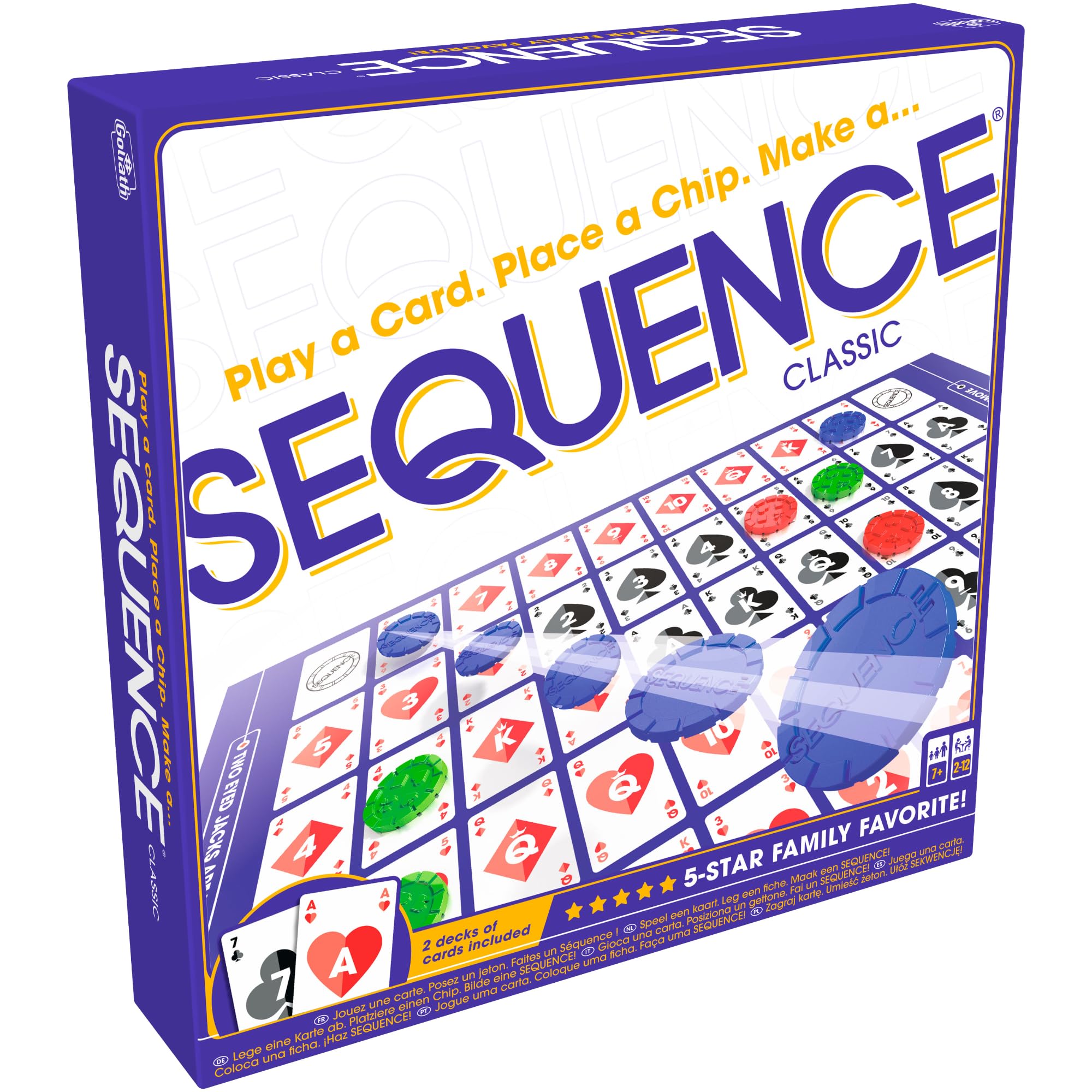
SEQUENCE

96 /100
Lab Score Outstanding

Key details

Play Time
~30 min
Player Count
2-12
Core Mechanic
Board/card hybrid strategy
Learning Curve
<5 min teach
View on Amazon

Sequence blends card luck and chip placement into a comfortable strategy game that accommodates 2–12 players, ideal for multi-generational adult groups. The rules are easy to teach, and replay value keeps it on the table nightly. The pace is deliberate, favoring relaxed conversation over high-energy chaos. Cards can show wear after frequent play, but replacement packs are available.

Pros

  • Engaging blend of luck and strategy keeps both couples and groups invested.
  • Clear rules make it easy to teach across generations, from teens to grandparents.

Cons

  • Cards can show wear after frequent play, with some noting tearing after 10–15 games.
Our verdict

It's the right pick for family reunions or quiet game nights with seniors, where a slower, social strategy game fits better than a chaotic party hit.

Check Latest Price

How to Choose

Player Count

A game's player count range is its most limiting factor. A social deduction game that requires at least 5 players is dead in the water if your gathering is small; a game that maxes out at 6 forces larger parties to split into separate tables. To avoid this, look for titles that genuinely support the upper end of your typical gathering without requiring a facilitator to run two games.

Play Time

Party momentum depends on keeping everyone engaged. Games with 10-15 minute rounds allow players to drop in and out, while 30-minute rounds risk losing attention as conversations drift. Fast-paced titles with low downtime ensure nobody is stuck waiting for a turn; if the game has player elimination, make sure rounds are short enough that eliminated players aren't sidelined for long.

Core Mechanic

Word games, bluffing, or pure luck — the core mechanic determines whether your party feels like a collaborative brainstorm or a tense poker match. Word-association games benefit groups where everyone is comfortable thinking on their feet, while luck-based dice games welcome anyone. A hidden-identity game that demands lying and arguing can be a hit with extroverts but alienate shy friends. Match the mechanic to your crowd's personality, not just the theme.

Learning Curve

If you spend more than five minutes explaining rules, you'll lose half the room to their phones. The best party games can be taught in under two minutes — often by example. While some depth is nice, at a lively adult gathering, quick-start gameplay trumps strategic nuance. Save the complex rulebooks for dedicated game nights; here, speed to laughter matters most.

Durability & Portability

Party games endure spilled drinks, clumsy hands, and being tossed in bags. Choose games with thick cards or dry-erase slates that won't warp after a few sessions. If you're taking the game to a bar or camping trip, pocket-sized options prove invaluable, but confirm the components aren't too tiny to use in dim lighting. A folding board with chunky chips may survive rough treatment better than thin cards that tear after repeated play.

Frequently Asked Questions