9 Best Strategy Board Games of 2026: Find Your Group's Perfect Fit

Which strategy board games actually deliver for your group size and experience level – separating the enduring classics from the overhyped.

Strategy board games promise hours of fun, but the reality can be a rulebook that leaves you confused, a game that runs twice as long as advertised, or missing pieces out of the box.

Many games claim to be for everyone, but the best fit depends on your group's size, patience, and preference for competition or cooperation. The classic choice between deep negotiation and quick, accessible play is where most buyers get stuck.

This guide focuses on games that actually deliver on their promises for different player counts and experience levels, so you can invest your time and money wisely.

1

Best Overall

CATAN 6th Ed.

96 /100
Lab Score Outstanding

Key details

Playtime
60-90 min
Replayability
Very high
Learning Curve
Moderate
Component Quality
Good
View on Amazon

CATAN’s modular hex board ensures no two setups play the same, giving each session a fresh spatial puzzle. The blend of dice-driven resource generation and player negotiation hits a sweet spot where planning matters but luck keeps outcomes unpredictable — a balance that has kept this game on tables for decades.

Best for teens and adults new to modern board games, especially groups that enjoy trading and deal-making. The first game requires a walkthrough (the rulebook is dense), and occasional copies have arrived with missing road or city pieces — check contents immediately upon arrival to avoid disappointment.

💡 Watch a five-minute setup tutorial online before your first game to bypass the rulebook's gaps.

Pros

  • Every game plays differently thanks to the tile-based board.
  • Dice rolls create tension without overwhelming strategic decisions.
  • Encourages face-to-face negotiation across age groups.

Cons

  • Some copies may lack the robber, cities, or road pieces
  • New players will likely need a video tutorial before the first game
Our verdict

CATAN remains the go-to strategy game for groups that love negotiation and variable setups; it rewards repeated play and justifies its mid-range price with years of entertainment.

Check Latest Price
2

Best Gateway Game

Ticket to Ride

98 /100
Lab Score Outstanding

Key details

Playtime
30-60 min
Replayability
High
Learning Curve
Very easy
Component Quality
Good
View on Amazon

Ticket to Ride's core loop of claiming routes and completing tickets is easy enough for an 8-year-old to grasp in minutes, yet the tension of blocking opponents and optimizing connections keeps seasoned players engaged. The rulebook is poorly organized - watch a 5-minute YouTube tutorial instead of relying on the printed instructions. Card size is small, which some players find uncomfortable, but the gameplay itself remains smooth. Best suited for families and casual game nights where quick setup and accessible strategy matter more than deep resource management.

💡 Use a YouTube tutorial to learn the rules instead of the poorly organized instruction manual.

Pros

  • Simple enough for new gamers, deep enough for regulars.
  • Route blocking and ticket completion create meaningful strategic tension.

Cons

  • Cards are small and can be hard to hold during play.
Our verdict

A solid investment for families and casual gamers who want a classic that works as both an introduction and a repeatable game night staple.

Check Latest Price
3

Best for Visual & Tactile Appeal

Azul

96 /100
Lab Score Outstanding

Key details

Playtime
30-45 min
Replayability
High
Learning Curve
Easy
Component Quality
Excellent
View on Amazon

Azul’s premium resin tiles and intricate pattern placement create a puzzle that appeals to players who value both strategy and aesthetics. The game is easy to teach to children 8+, but the depth of planning emerges quickly. It contrasts with simpler tile-laying games for young kids by offering more tactical competition. However, the rulebook for scoring is confusing – download a player aid from online forums to avoid frustration.

💡 Print the official player aid from online forums to resolve scoring confusion before your first game.

Pros

  • Beautiful resin tiles and tactile tile play make each game visually engaging.
  • Deep strategy fits into a short 30-45 minute playtime, balancing luck and planning.
  • Rules are simple enough for children 8+ to grasp, but mastering the tactics takes time.

Cons

  • Scoring rules are presented poorly in the rulebook and may cause confusion.
Our verdict

Azul fits small groups and families who want a strategy game with premium components and short playtime, as long as they are willing to clarify the scoring rules with an online player aid.

Check Latest Price
4

Best Cooperative Game

Pandemic

96 /100
Lab Score Outstanding

Key details

Playtime
45-60 min
Replayability
High
Learning Curve
Moderate
Component Quality
Good
View on Amazon

Pandemic casts 2-4 players as a team of disease-fighting specialists - medic, scientist, dispatcher, and others - each with unique abilities that change how you respond to outbreaks. The cooperative puzzle demands careful planning and resource management, with tension escalating as infections cascade across the board. The difficulty level can be punishing for first-time groups, leading to possible early losses. This makes it a good fit for players who enjoy a challenge and are willing to fail together, but less ideal for casual groups seeking a light experience.

💡 To keep everyone engaged, consider having each player verbally commit to their proposed action before discussing as a group.

Pros

  • Forces genuine teamwork as each player's role is essential to prevent global outbreaks.
  • Variable role abilities and adjustable difficulty keep the game fresh across many plays.
  • Tense pacing with clear win/lose conditions makes each game an addictive puzzle.

Cons

  • One player can dominate decision-making, reducing the cooperative experience for others.
Our verdict

Best for groups that thrive on strategic collaboration and don't mind losing a few rounds to learn the ropes. Not for those wanting a quick, carefree game.

Check Latest Price
5

Best Value Strategy Game

Blokus XL

96 /100
Lab Score Outstanding

Key details

Playtime
20-30 min
Replayability
High
Learning Curve
Very easy
Component Quality
Good
View on Amazon

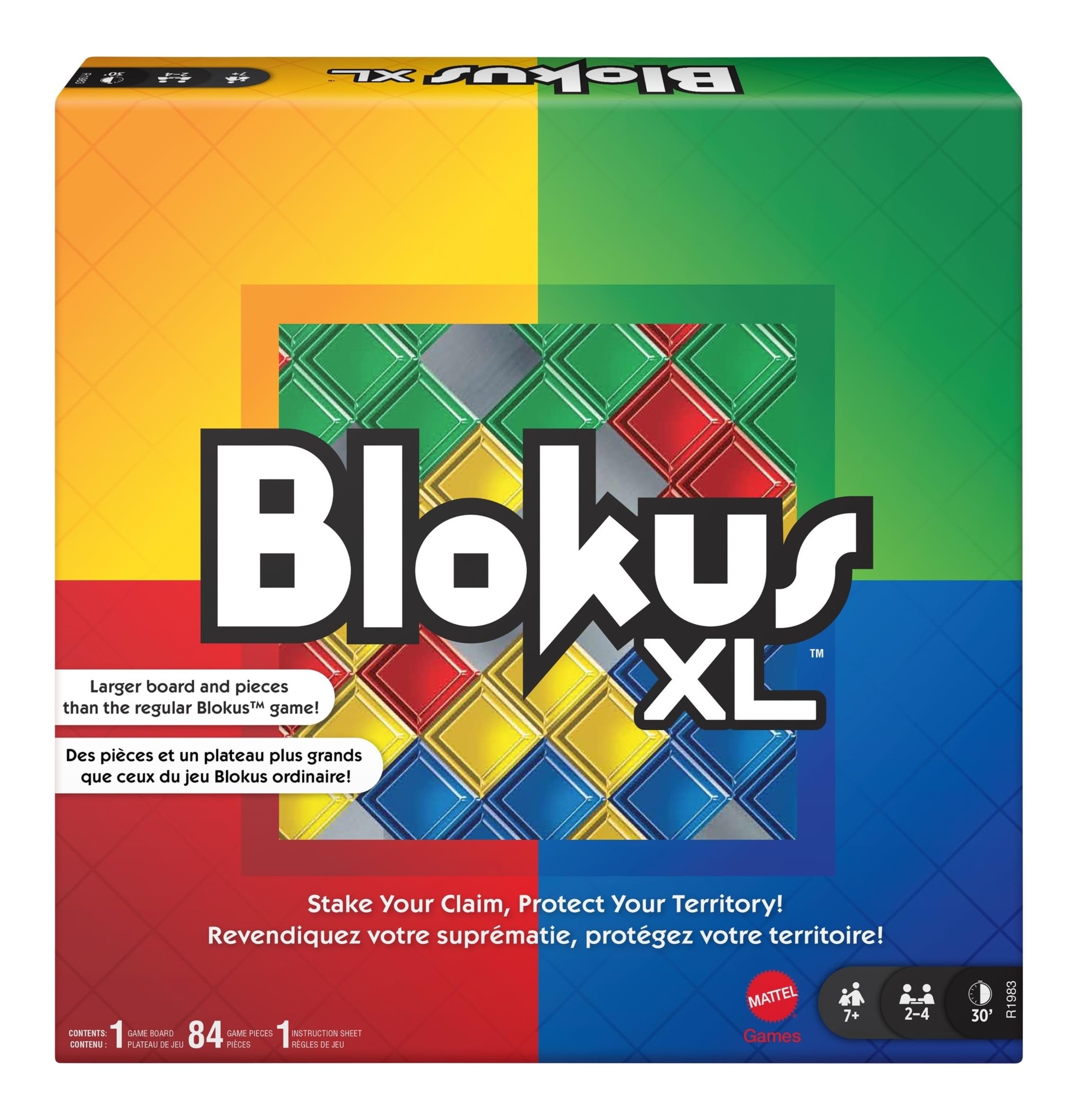
One rule (touch at corners) creates endless spatial puzzles. The oversized board and pieces make the tile-placement mechanics easy to see and handle, keeping the focus on blocking and planning rather than fiddly components.

This works well for families with a wide age range (6 to adult) and for quick filler sessions between longer games. However, the abstract theme may feel dry for players who prefer narrative-rich games.

Pros

  • Single rule makes onboarding instant for new players.
  • Spatial reasoning challenge akin to Tetris on a board, rewarding critical thinking.
  • Plays well across generations, from young children to grandparents.

Cons

  • Abstract visuals may feel dry for players who prefer narrative-driven games.
Our verdict

For groups focused on pure spatial strategy without story distractions, Blokus XL offers strong replayability at a budget-friendly price.

Check Latest Price
6

Young Children

Carcassonne

96 /100
Lab Score Outstanding

Key details

Playtime
35 min
Replayability
High
Learning Curve
Very easy
Component Quality
Good
View on Amazon

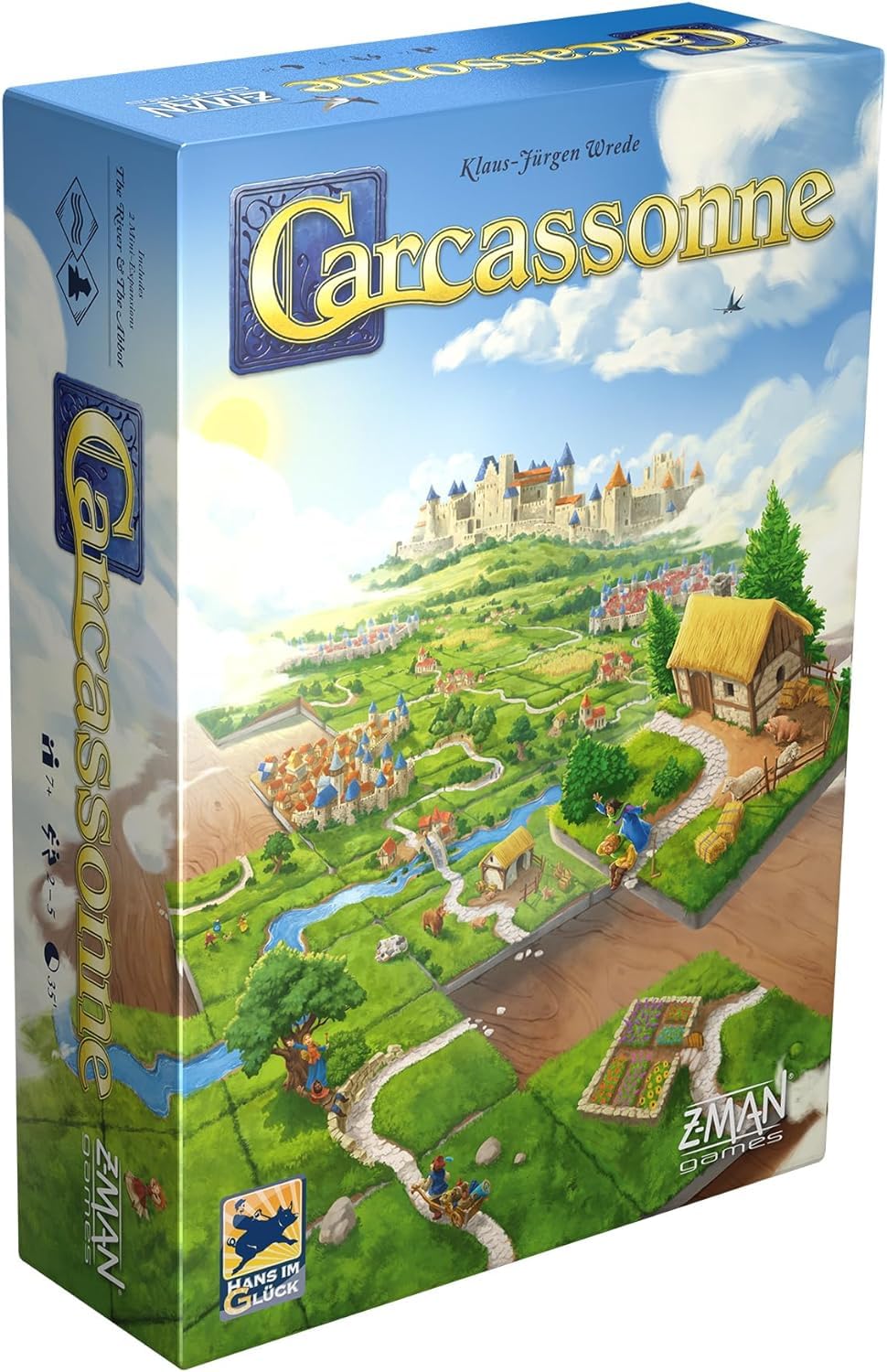
Carcassonne offers intuitive tile-placement mechanics that families with young children can pick up in minutes. The included mini-expansions add variety without complexity. However, its simpler depth means experienced strategy gamers seeking resource management or negotiation will find more engagement in Catan or Azul.

Pros

  • Extremely easy to learn, great for young children
  • Quick playtime and high replayability

Cons

  • Hardcore gamers seeking deep resource management may find the strategic depth too shallow.
Our verdict

Ideal for families with young children who want a quick, strategic game that everyone can play, but not for those craving the complexity of modern heavy strategy titles.

Check Latest Price
7

Couples Only

7 Wonders Duel

96 /100
Lab Score Outstanding

Key details

Playtime
30 min
Replayability
High
Learning Curve
Moderate
Component Quality
Good
View on Amazon

7 Wonders Duel packs three victory paths (military, science, and civilian) into a 30-minute card-drafting duel that feels tight and decisive. The learning curve is moderate — first game may need rulebook reference. Best for couples or duos who want quick replayable strategy and don't need support for larger groups.

Pros

  • Multiple victory paths keep each game fresh
  • 30-minute playtime fits short sessions between two players

Cons

  • In a household new to card-drafting games, the rules may require a reference guide on the first play
Our verdict

A strong option for two players who value varied strategic goals in a quick session, provided they are comfortable with an initial rulebook check.

Check Latest Price
8

Budget Co-Op

Forbidden Island

96 /100
Lab Score Outstanding

Key details

Playtime
30 min
Replayability
Moderate
Learning Curve
Easy
Component Quality
Good
View on Amazon

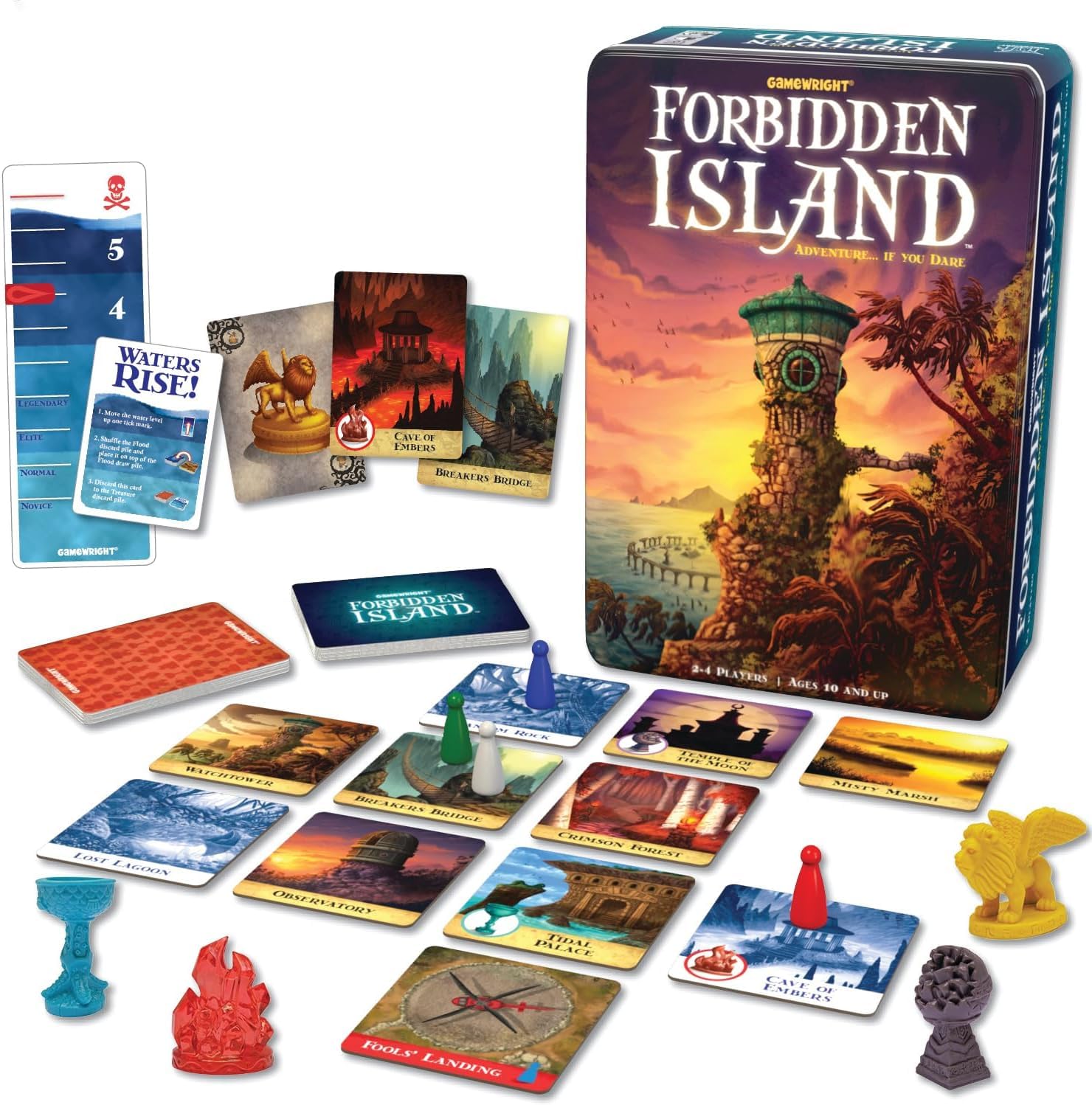
Forbidden Island tasks players with collecting treasures and escaping a sinking island before it submerges. The tile-removal mechanic creates urgency and forces coordination. Standard mode can become predictable for experienced groups, but the adjustable difficulty (including expert modes) extends replay value for mixed-skill families. This is less complex than Pandemic, making it a gentler on-ramp for cooperative play when budget matters.

Pros

  • Encourages teamwork with a shared win condition
  • Simple rules with scaling challenge for varied groups

Cons

  • Standard mode may feel shallow for veteran strategy players after repeated plays
Our verdict

For families or novice groups wanting a low-cost introduction to cooperative strategy, this delivers without the depth or price of heavier titles.

Check Latest Price
9

Large Groups

Jax Sequence

96 /100
Lab Score Outstanding

Key details

Playtime
20-30 min
Replayability
High
Learning Curve
Very easy
Component Quality
Moderate
View on Amazon

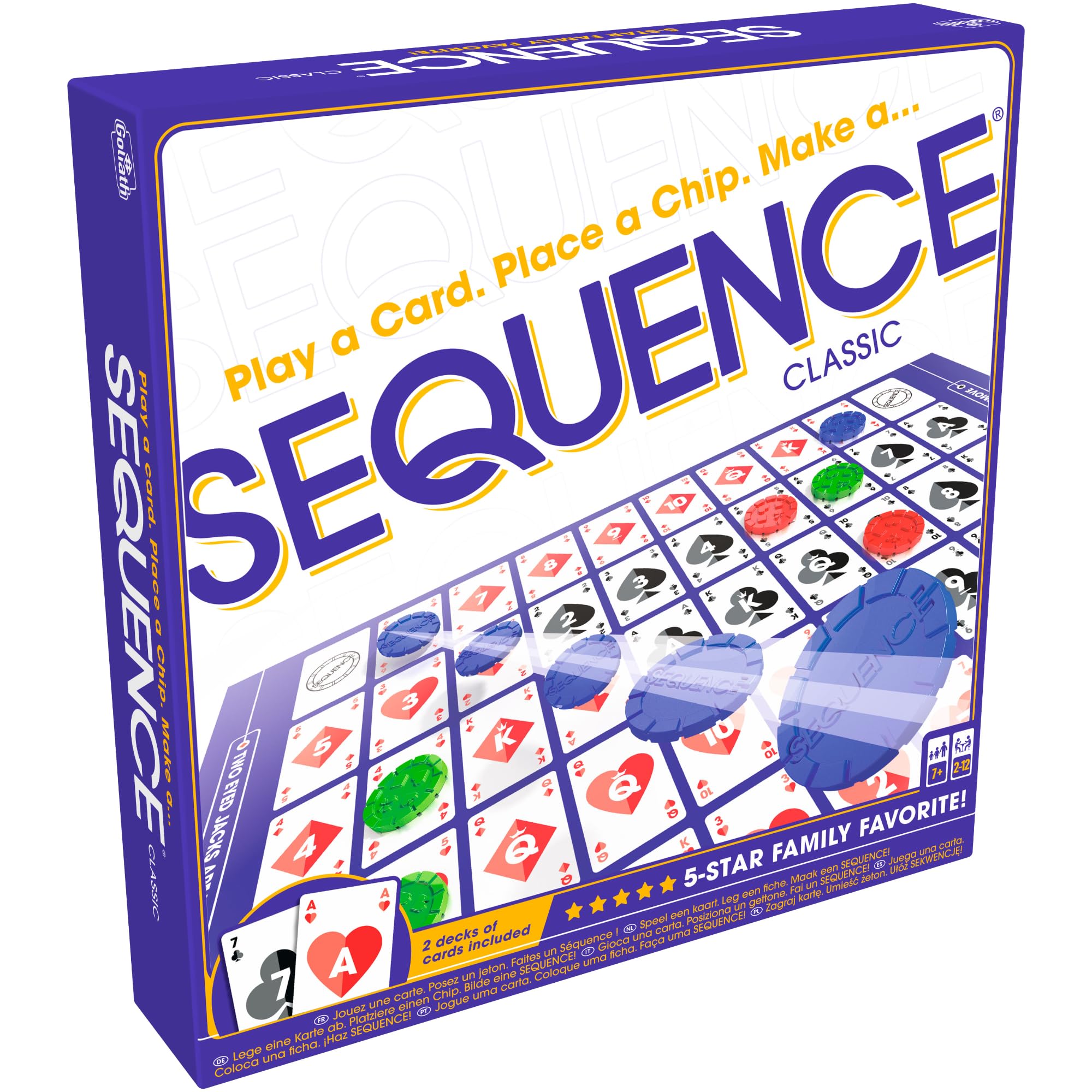
Sequence excels as a large-group filler: up to 12 players, ages 5 and up, with simple rules that keep everyone engaged. Its thin cards are a known durability trade-off. While it lacks the strategic depth of top strategy picks, it serves its niche well for multi-generational gatherings.

Pros

  • Extremely easy to learn for families with mixed ages.
  • Designed for large groups up to 12 with team play.

Cons

  • The included playing cards may tear after a dozen games in frequent-use households.
Our verdict

Best for large parties or family reunions where a fast, inclusive game is needed – just plan to replace the cards if it sees regular weekly play.

Check Latest Price

How to Choose

Player Count Flexibility

Games designed for 2–4 players often feel unbalanced or slow with fewer or more players. A game that claims 2–6 players may play well only at specific counts — for example, Secret Hitler is best with 6+, while 7 Wonders Duel is strictly for two. Check the sweet spot range, not just the max, to avoid frustration.

Playtime

Listed playtimes assume experienced players. First sessions with new groups commonly run 1.5 to 2 times the advertised time. A 60-minute game can stretch to 90–120 minutes when teaching rules. If your group has a tight window, stick to games with a 30-minute listed time (like Blokus or Sequence) for reliable pacing.

Learning Curve

Gateway games like Ticket to Ride and Carcassonne use simple actions (draw cards, place tiles) but still offer strategic depth through hidden scoring and variable setups. In contrast, games like CATAN and 7 Wonders Duel require a full teach that can take 15–20 minutes. Consider your group’s patience for rule-learning — a steep curve can kill a game night before it starts.

Replayability

Replayability comes from variable setups (modular boards, random tile draws) or multiple victory paths. CATAN’s hex board changes every game, while Ticket to Ride’s fixed map relies on ticket cards for variation. Games with fixed setups like Forbidden Island can feel samey after a few plays unless you use difficulty levels. Prioritize variable components if you plan to play often.

Component Quality

Cardboard tiles and cards wear faster than wood or resin components. Thin cards (like in Sequence) may tear after 10–15 games, while Azul’s resin tiles hold up for years. For games with frequent shuffling (Ticket to Ride), consider sleeving cards. Missing pieces are a known issue for some publishers — inspect your copy immediately upon arrival.

Frequently Asked Questions