14 Best Two-Player Board Game of 2026: Find Your Perfect Head-To-Head Match

Which two-player board games actually shine in head-to-head play? This guide cuts through the 2-4 player marketing to find the duels that deliver.

Many board games list '2-4 players' on the box but don't deliver a tight two-player experience. Some feel like a diluted version of the full game, with less tension or awkward rules scaling.

The best two-player games are either built exclusively for duels or adapt gracefully without losing what makes them fun. This guide focuses on games that actually shine head-to-head, whether you want a quick card duel or a deep strategic battle.

The key is knowing which type suits your play style. The choices often come down to trade-offs between simplicity and depth, or competition versus cooperation.

1

Best Overall

Splendor

98 /100
Lab Score Outstanding

Key details

Playtime
30 min
Complexity
Gateway
Game Style
Competitive Abstract
Player Count
2–4
View on Amazon

Splendor's core loop of collecting gems and buying cards creates a balanced resource race that's simple to teach but hard to master. Each turn offers a clear decision without analysis paralysis, and the engine-building progression from lower-tier cards to high-value nobles feels satisfying from the first play.

Games move at a brisk pace, typically wrapping up in 30 minutes even with two players. The competition for limited gem tokens and the race to claim nobles keeps both players engaged without the need for direct conflict. The same physical setup works for 2 to 4 players, but the tension scales down cleanly — nothing feels lost at two.

This is a strong fit for couples new to modern board games, families with older kids, or strategy fans who want a quick session with solid depth. The tradeoff is limited direct interaction: you're racing for the same resources but have few ways to hinder your opponent. Likewise, the abstract gem-trading theme won't satisfy those who need a strong narrative hook.

Pros

  • Addictive engine-building with quick turns and satisfying progression
  • Works brilliantly with two players, scaling without losing tension
  • High strategic depth despite simple rules, keeping experienced gamers engaged

Cons

  • No direct player interaction
  • Abstract theme may not appeal to players seeking a strong narrative
Our verdict

For couples and families who enjoy a quiet strategic duel, Splendor is the most reliable two-player engine-builder in this roundup.

Check Latest Price
2

Best for Aesthetics & Tile Strategy

Azul

96 /100
Lab Score Outstanding

Key details

Playtime
30–45 min
Complexity
Gateway
Game Style
Competitive Abstract
Player Count
2–4
View on Amazon

Azul's resin tiles and mosaic placement create a visually and tactilely satisfying spatial puzzle that stands apart from the engine-building focus of Splendor. The game plays especially well with two players, where the draft-and-place decisions become a tight, head-to-head competition.

This is a strong fit for couples or families who appreciate aesthetics and thoughtful spatial planning over pure strategy depth. However, the scoring rules are confusing as written — expect to watch a quick video tutorial before the first game to avoid frustration.

💡 Watch a quick video tutorial before your first game to avoid confusion on scoring rules.

Pros

  • Gorgeous resin tiles and satisfying tactile tile-laying
  • Easy to learn but offers room for strategic depth
  • Performs especially well with two players

Cons

  • Tile draws introduce some luck, which may not suit those seeking pure abstract strategy
  • Rulebook clarity can be an issue; a video tutorial is recommended for scoring
Our verdict

For buyers who prioritize beauty and tactile engagement over rulebook polish, Azul delivers a rewarding two-player duel that looks and feels different from the category leader.

Check Latest Price
3

Best for Competitive Duelists

7 Wonders Duel

96 /100
Lab Score Outstanding

Key details

Playtime
30 min
Complexity
Advanced
Game Style
Competitive Thematic
Player Count
2
View on Amazon

7 Wonders Duel is built from the ground up for exactly two players, offering a level of strategic depth that few other duels in this category match. Instead of adapting a multiplayer game, it uses a dedicated card-drafting system where each pick cycles through three ages, and players can win via military dominance, scientific breakthroughs, or civilian points. The tension is constant because both players see the same card layout and must decide what to take versus what to leave for their opponent.

This complexity comes with a noticeable learning curve — expect to check the rulebook during the first few games, especially around the science and guild card interactions. It suits serious duos who want a competitive challenge and enjoy learning a system together, but casual players may find the initial sessions overwhelming. Experienced board gamers will appreciate the high replay value and tight decisions that keep each match feeling fresh.

💡 A practice round or a quick video tutorial before the first real game reduces confusion and gets you to the fun faster.

Pros

  • Exclusively designed for two players, delivering the most intense head-to-head experience in the set.
  • Three distinct victory paths (military, science, points) keep each game from feeling samey.
  • Strategic depth fits into a 30-minute playtime

Cons

  • Steep learning curve; the first few games require regular rulebook checks, which may deter casual players.
Our verdict

If you and a partner want a duel that grows with repeated plays and offers genuine depth in under an hour, this is the strongest option here — just be prepared to invest in learning the rules upfront.

Check Latest Price
4

Best Quick Card Duel

Jaipur

96 /100
Lab Score Outstanding

Key details

Playtime
30 min
Complexity
Gateway
Game Style
Competitive Thematic
Player Count
2
View on Amazon

Jaipur skips the sprawl of heavier duels like 7 Wonders Duel and instead delivers a tight 30-minute market game where timing your trades and bluffs matters more than long-term engine building. The rules fit on a single page, but the actual decisions around when to sell a set or grab a camel to block your opponent keep each round tense without dragging.

This is the right fit for couples or travel buddies who want a repeatable game that sets up in seconds and ends before dinner gets cold. The strategic depth has a ceiling — after twenty or so plays, the card pool becomes familiar, so players who crave layered paths to victory will eventually hit a wall. For quick, direct conflict with minimal overhead, that tradeoff is easy to accept.

Pros

  • Fast and addictive gameplay built exclusively for two players
  • Simple rules with satisfying timing and bluffing decisions
  • Highly portable and quick to set up

Cons

  • Strategic depth plateaus after many plays compared to heavier duels like 7 Wonders Duel
  • Not suited for players who prefer longer, more elaborate sessions
Our verdict

Jaipur nails the niche of a fast, portable two-player duel with genuine tension. Choose it when you value speed and direct competition over deep strategic layers.

Check Latest Price
5

Best Abstract Strategy

Onitama

95 /100
Lab Score Outstanding

Key details

Playtime
15–20 min
Complexity
Gateway
Game Style
Competitive Abstract
Player Count
2
View on Amazon

Onitama strips the abstract duel down to its essentials. Instead of memorizing opening sequences, both players use the same pool of five movement cards, which rotate each game. Games end in a handful of moves, making it a focused tactical exchange rather than a long positional grind. The wooden pieces and compact board feel substantial, and the card-based movement keeps each match fresh — at least until you've cycled through the available combinations a few times.

This one is for couples who enjoy chess-like duels but want something they can play over coffee without committing an hour. It also suits fans of perfect information strategy who appreciate seeing every possible move. The tradeoff: the included movement card pool is limited, so after a dozen or so games, patterns may start to feel familiar. The variety included helps, but if you crave the endless replayability of a game like chess, you'll likely exhaust Onitama's possibilities sooner.

💡 Rotating through the included movement card combinations helps keep the game fresh.

Pros

  • Elegant abstract duel where both players share the same movement options
  • Games are quick and easy to learn, often finishing under 15 minutes
  • High-quality wooden pieces and a compact, attractive board

Cons

  • Limited movement card pool can make games feel similar after many plays
  • Strictly abstract with no thematic narrative or complex mechanics
Our verdict

Onitama is the ideal choice for two players who want a quick, elegant abstract duel that respects their time without sacrificing depth.

Check Latest Price
6

Best Cooperative Choice

Pandemic

96 /100
Lab Score Outstanding

Key details

Playtime
45–60 min
Complexity
Advanced
Game Style
Cooperative Thematic
Player Count
2–4
View on Amazon

Pandemic delivers intense collaboration through distinct roles that each rely on the others' expertise — the medic cleanses hot zones, the scientist accelerates cures, and the dispatcher moves teammates across the board. This role synergy makes every two-player session a tight puzzle where communication trumps individual heroics. Lighter cooperative games like Forbidden Island offer a gentler on-ramp, but Pandemic’s escalating tension and variable difficulty keep the stakes high for those who want a real challenge.

This game fits couples and duos who enjoy collaborative problem-solving without direct competition, but the difficulty can punish newcomers — losing a hard-fought game after an hour is common. Starting with fewer epidemic cards reduces the frustration while preserving the cooperative thrill. Groups that prefer casual, low-stakes evenings should look elsewhere; Pandemic rewards persistence and strategic thinking.

💡 Start with fewer epidemic cards to ease into the difficulty.

Pros

  • Forces true collaboration
  • Variable epidemic cards keep each playthrough fresh and tense.
  • Plays smoothly with two players, offering a shared challenge without scaling issues.

Cons

  • Punishing difficulty can discourage new players
  • Rule complexity may require several plays to internalize fully.
Our verdict

Pandemic is the right pick for duos who want to cooperate under pressure — just be ready to lose a few times before finding your rhythm.

Check Latest Price
7

Best Relaxing Strategy

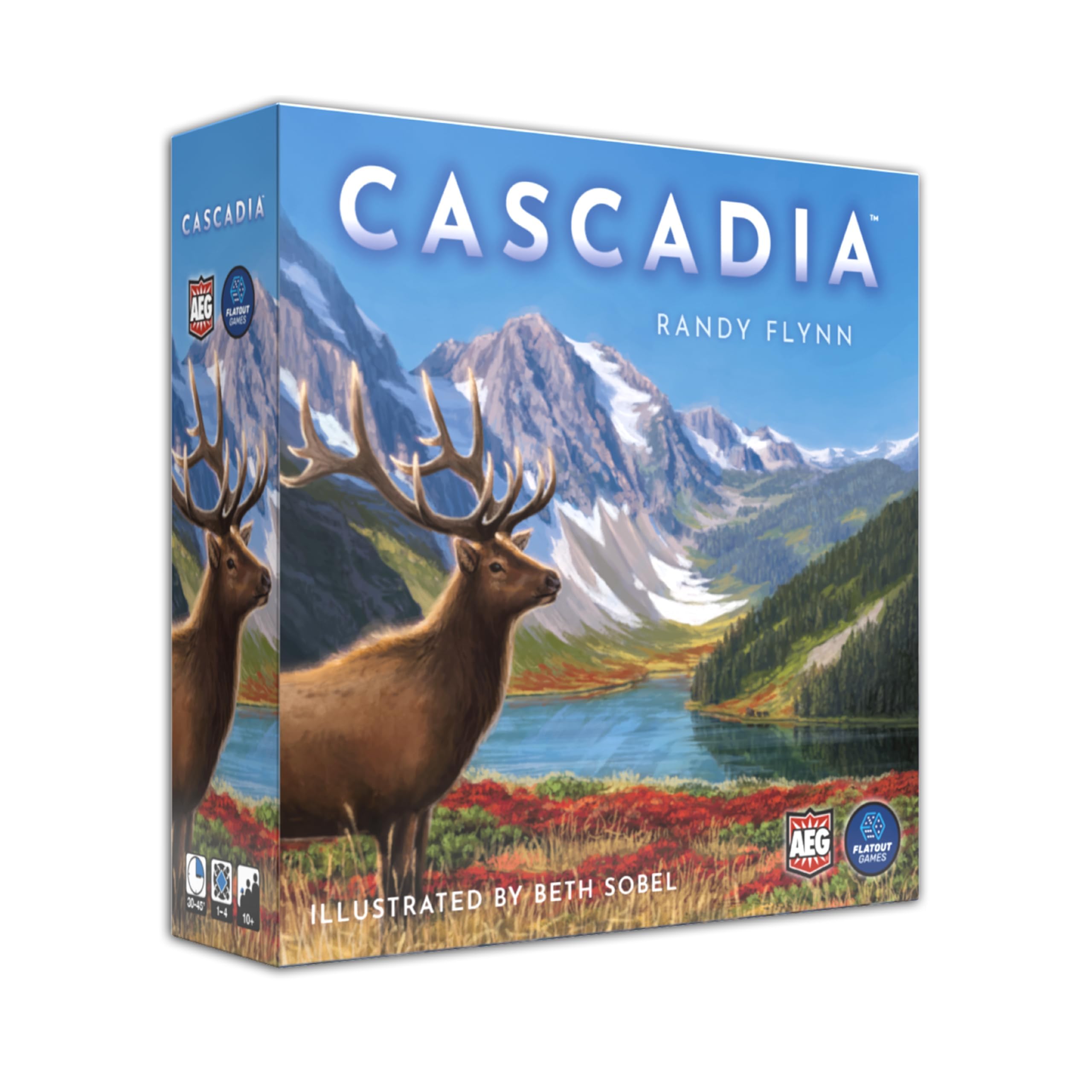
Cascadia

97 /100
Lab Score Outstanding

Key details

Playtime
30–45 min
Complexity
Gateway
Game Style
Competitive Thematic
Player Count
1–4
View on Amazon

Cascadia’s wooden animal tokens and habitat tiles create a calming, nature-themed puzzle that stands apart from more abstract two-player games like Carcassonne. The scoring system offers a family-friendly mode and advanced cards, giving couples or solo players room to grow without overwhelming complexity.

This game suits players who prefer a shared, optimizing experience over direct competition. The low player interaction means each player focuses on building their own habitat rather than blocking an opponent – a trade-off that nature lovers and fans of peaceful strategy will appreciate, but may disappoint those seeking head-to-head conflict.

Pros

  • Beautiful wooden tokens and calming nature theme create a relaxing tabletop experience.
  • Scoring options from simple family mode to advanced cards keep gameplay fresh for repeated plays.
  • Plays exceptionally well at two players with balanced and engaging decisions.

Cons

  • For duos who prefer direct competition, the low player interaction can make the game feel like a solitary puzzle rather than a head-to-head duel.
Our verdict

Cascadia is the right pick for couples or solo players who want a calm, beautiful tile-laying experience without the pressure of conflict. If you crave interactive competition, consider a more dueling option.

Check Latest Price
8

Family Fun

Blokus XL

96 /100
Lab Score Outstanding

Key details

Playtime
20–30 min
Complexity
Gateway
Game Style
Competitive Abstract
Player Count
2–4
View on Amazon

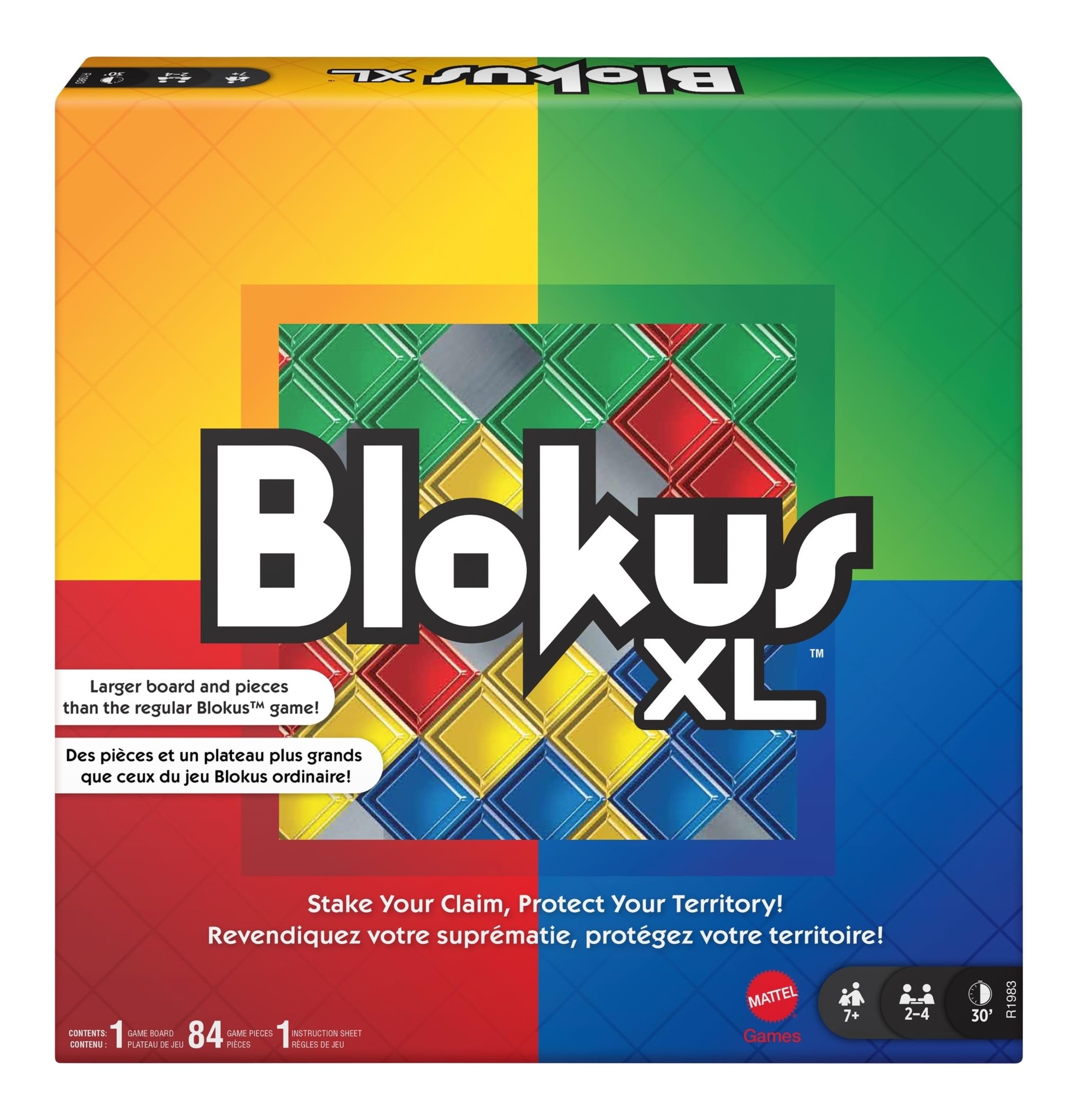
Blokus XL delivers one-rule gameplay that teaches in seconds and creates real territorial tactics for two. The larger XL board gives extra room for strategic placement compared to the standard edition. After many plays, familiar opening patterns repeat, limiting long-term variety. It fits well as a quick family filler but not as a dedicated two-player deep strategy game.

Pros

  • Extremely easy to learn
  • Territorial blocking and piece-fitting encourage planning and spatial reasoning at two players.

Cons

  • Familiar opening patterns can emerge after repeated plays, reducing sense of discovery.
Our verdict

Best for families wanting a quick, easy-to-teach abstract duel for two, especially those who rotate games regularly rather than seeking a long-term competitive staple.

Check Latest Price
9

Abstract Duelists

Othello

96 /100
Lab Score Outstanding

Key details

Playtime
20 min
Complexity
Gateway
Game Style
Competitive Abstract
Player Count
2
View on Amazon

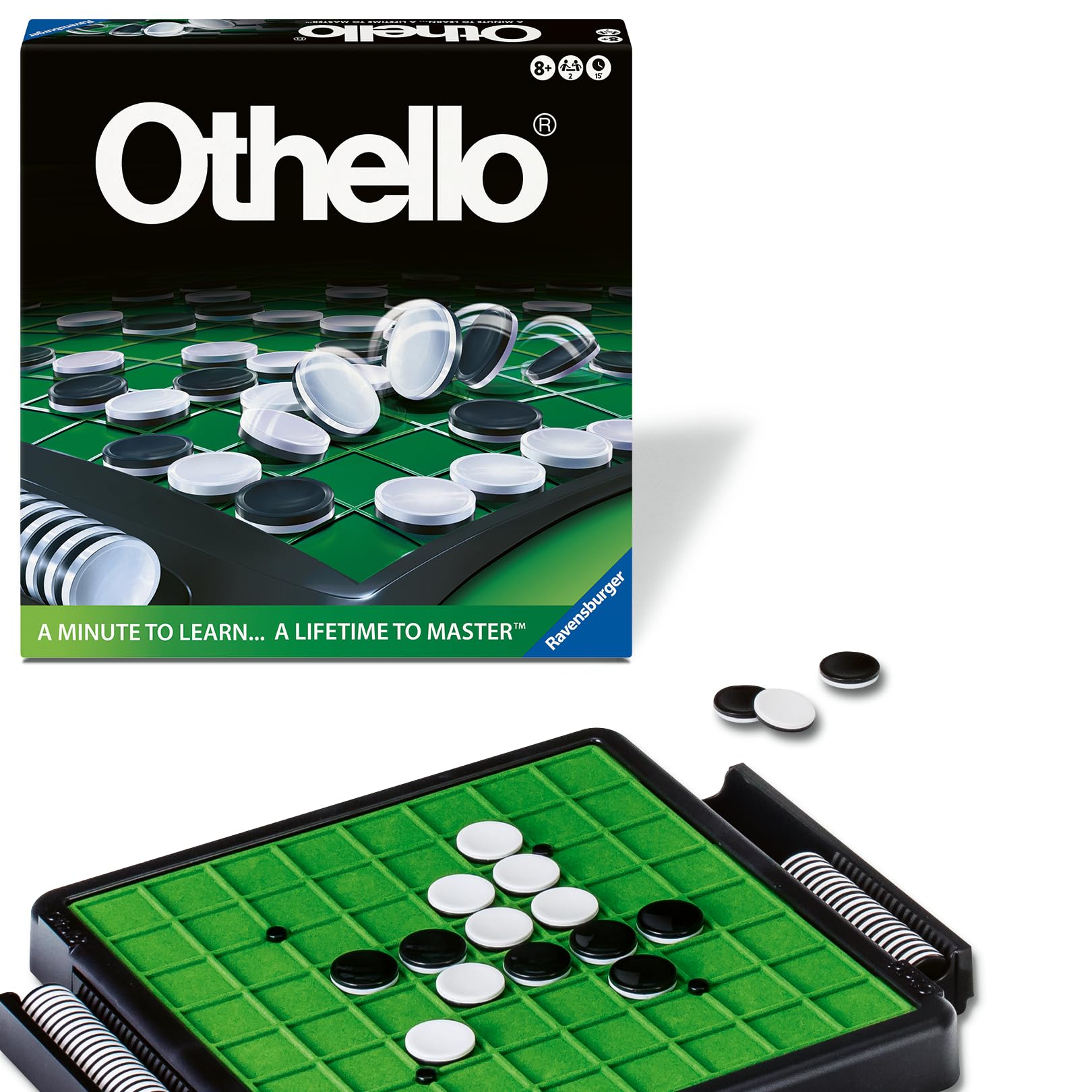
Othello condenses classic strategy into one simple rule: flip your opponent's pieces. The result is a tight two-player contest that takes a minute to learn yet offers enough depth for repeated sessions. Component quality can be inconsistent — some boards feel flimsy — and the fixed board means less replay variety than modern duels like Onitama or 7 Wonders Duel.

Pros

  • Timeless abstract strategy that's easy to learn but takes time to master.
  • Compact design with storage drawers keeps pieces organized and portable.

Cons

  • Board quality may vary between units; some feel flimsy.
  • Fixed board and same opening positions reduce replay variety over time.
Our verdict

Best for two-player purists who want a pure abstract duel they can teach in a minute and play anywhere, as long as build quirks aren't a dealbreaker.

Check Latest Price
10

Casual Fun

King of Tokyo Duel

96 /100
Lab Score Outstanding

Key details

Playtime
20 min
Complexity
Gateway
Game Style
Competitive Thematic
Player Count
2
View on Amazon

This two-player dice-chucker shines with asymmetric monster abilities and a 20-minute playtime that keeps sessions brisk. The low price and compact box make it an easy addition to any game shelf. However, the outcome hinges heavily on dice rolls, so players seeking tactical decisions will find little to chew on. That luck-dependence restricts its appeal to families with kids 8+ or groups that value chaotic energy over careful planning.

Pros

  • Fast, fun dice-rolling with asymmetric monster powers
  • Easy to learn and family-friendly

Cons

  • Relies heavily on luck; less strategic than other options
Our verdict

Best suited for families with kids 8+ or casual game nights where luck and laughs take priority over strategic depth.

Check Latest Price
11

New Co-Ops

Forbidden Island

96 /100
Lab Score Outstanding

Key details

Playtime
30 min
Complexity
Gateway
Game Style
Cooperative Thematic
Player Count
2–4
View on Amazon

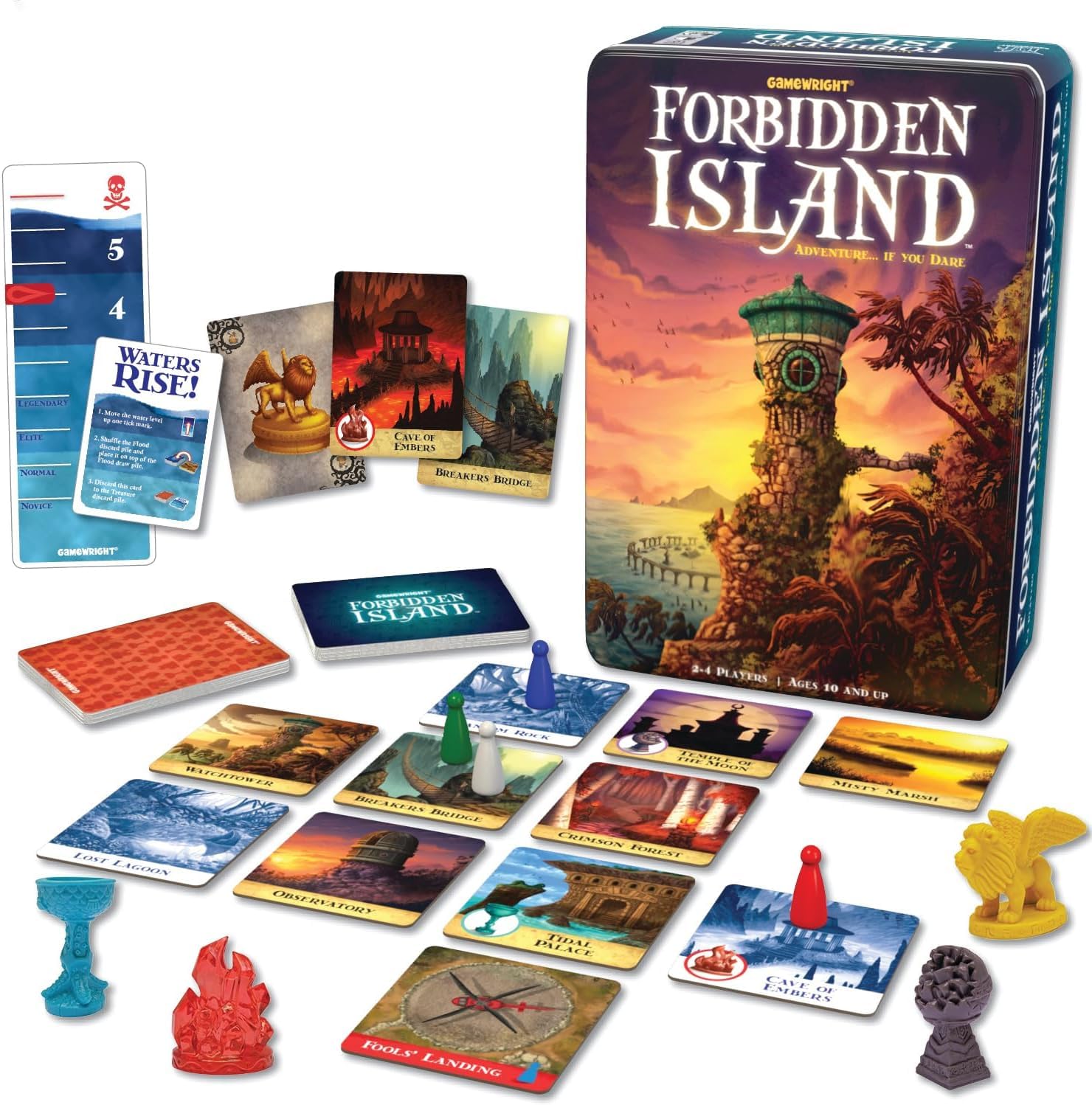
For two players, Forbidden Island delivers a collaborative escape puzzle that is simple to teach and resolves in 30 minutes — a solid introduction to cooperative games. The rising water levels create urgency, and each player's role matters. However, experienced co-op duos will find the challenge fades after a handful of games; the limited strategic depth means most teams will consistently win on normal difficulty. It is a lighter, less punishing alternative to pandemic-style co-ops, best suited for families or casual gamers who prioritize shared fun over lasting difficulty.

Pros

  • Teamwork-focused gameplay that encourages communication and shared decision-making.
  • Quick to learn and fast to play, with simple rules and 30-minute rounds.

Cons

  • Experienced co-op duos may find the challenge diminishes after a handful of games.
Our verdict

An affordable entry-level co-op for two players who are new to the genre and want a few evenings of cooperative fun without the complexity of heavier games.

Check Latest Price
12

Family Staple

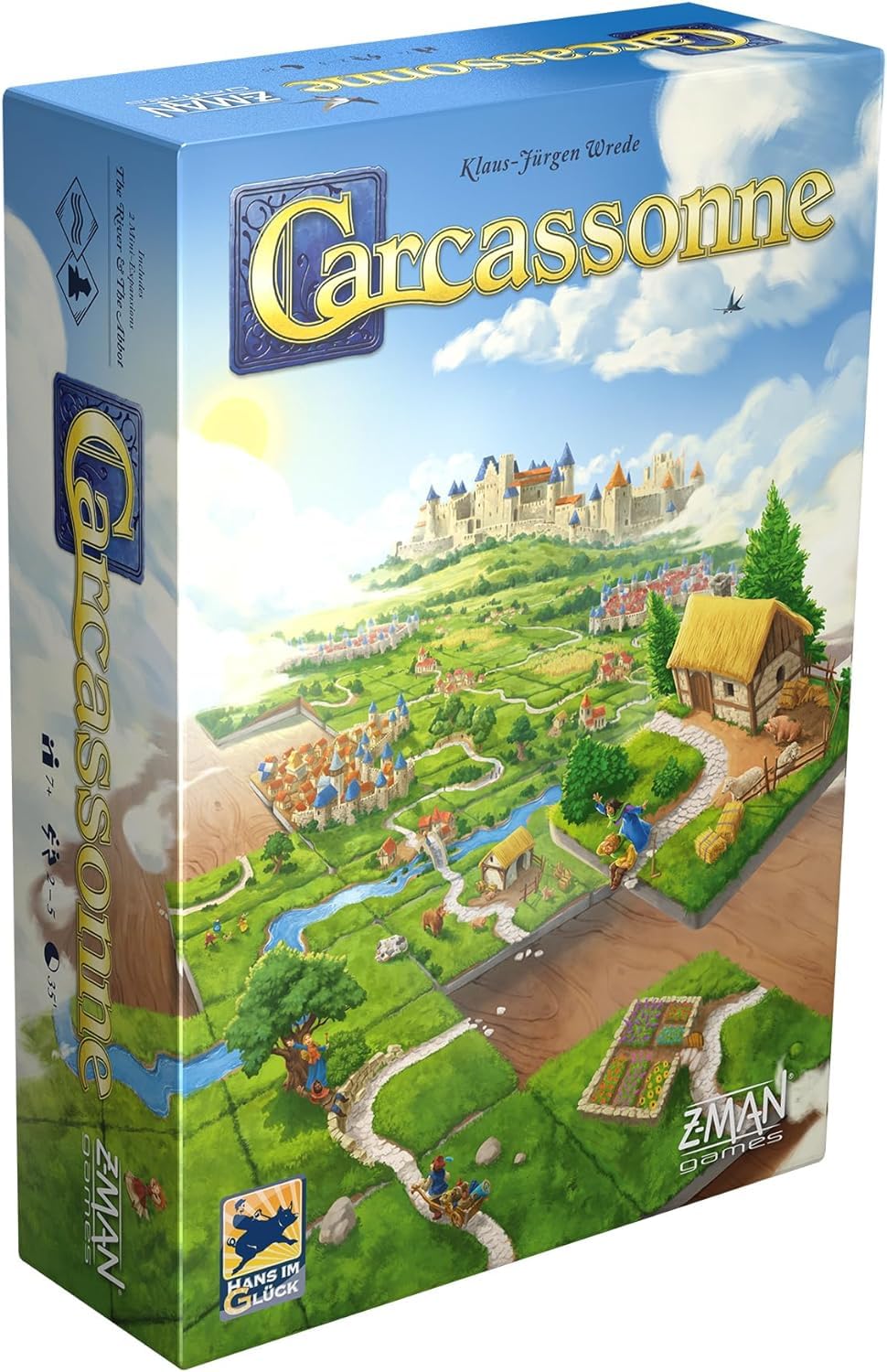
Carcassonne

96 /100
Lab Score Outstanding

Key details

Playtime
35 min
Complexity
Gateway
Game Style
Competitive Abstract
Player Count
2–5
View on Amazon

Carcassonne's tile-laying is quick to explain and creates a shared map that feels collaborative. It plays smoothly with two players, and the included River and Abbot mini-expansions add welcome variety. However, it's not designed exclusively for two; the base game's map-building can feel repetitive after several plays without those expansions, making it less ideal for dedicated duo-only sessions.

Pros

  • Tile-laying rules are accessible for new players and engaging across all ages.
  • Offers a balanced and satisfying experience for two players right out of the box.

Cons

  • Base game's map variety may feel limited after repeated plays without using the included mini-expansions.
Our verdict

Best for couples or families who want a simple, cooperative-feeling tile-laying game for two and appreciate the included expansions for long-term variety.

Check Latest Price
13

Budget Classic

Mancala

95 /100
Lab Score Outstanding

Key details

Playtime
15–20 min
Complexity
Gateway
Game Style
Competitive Abstract
Player Count
2
View on Amazon

Pressman's Mancala delivers the timeless counting-and-sowing gameplay that has been a family staple for generations. The folding wooden board makes it portable for travel or casual play. However, the hinges and stones are prone to issues – some units arrive with broken hinges or uneven pieces. For the price, it's a functional entry point into abstract strategy, but those wanting durable components may need to look elsewhere.

Pros

  • Timeless gameplay that is incredibly easy to learn for all ages.
  • Portable hinged wooden board ideal for travel and casual play.

Cons

  • Hinges and stones may show wear or arrive uneven, affecting long-term durability.
Our verdict

A cost-effective pick for families who want a classic two-player game on a budget, provided they can accept minor component quirks.

Check Latest Price
14

Group Co-Op

The Crew Deep Sea

96 /100
Lab Score Outstanding

Key details

Playtime
20 min per round
Complexity
Intermediate
Game Style
Cooperative Thematic
Player Count
2–5
View on Amazon

The Crew - Mission Deep Sea innovates on classic trick-taking by introducing cooperative missions that require teamwork and communication. The 50 missions provide a progressive challenge for groups of 3 to 5. However, the trick-taking mechanic loses tension with only two players, making it better suited for larger groups who occasionally play as a duo. Rulebook clarity and card quality can be inconsistent, which some groups may find frustrating.

Pros

  • Cooperative missions turn traditional trick-taking into a team challenge.
  • 50 missions with increasing difficulty provide a lasting challenge.

Cons

  • Rulebook clarity and card quality can be inconsistent.
Our verdict

Works well for game groups that occasionally play as a duo, but not the top choice for dedicated two-player sessions.

Check Latest Price

How to Choose

Player Count

Strict two-player games (like 7 Wonders Duel and Jaipur) are designed from the ground up for duels, offering tighter competition and no downtime. Games that accommodate 2-4 players can be equally good at two, but only if the core mechanics scale without losing tension. Splendor and Azul are examples where the two-player experience is just as engaging as with more players.

Some 2-4 games, especially those with negotiation or area control, can feel empty or unbalanced with only two. Always check player count feedback before buying.

Playtime

Playtime dictates how often a game hits the table. Quick 15-20 minute games (Onitama, Jaipur) allow multiple rounds in an evening, making them ideal for casual play or travel. Longer 45-60 minute games (Pandemic) demand more commitment but can deliver deeper narrative and strategy.

The hidden trade-off: shorter games can feel shallow for dedicated gamers, while longer games risk gathering dust if you only have 30 minutes. Match playtime to your typical game night window.

Complexity

Gateway games (Splendor, Azul) can be taught in under 5 minutes and are accessible to players of all ages. They offer enough strategic depth to stay interesting for dozens of plays, but experienced strategists may eventually want more. Advanced games (7 Wonders Duel, Pandemic) reward repeated play with layers of tactics but require a time investment upfront to learn.

The risk: advanced games can frustrate casual players who just want to roll dice and have fun. Know your audience before choosing depth over simplicity.

Game Style

Competitive games pit players directly against each other, creating tension and direct interaction. Cooperative games (Pandemic, Forbidden Island) replace that tension with shared problem-solving, which can be a safer choice for partners who dislike head-to-head conflict. Abstract games focus on pure mechanics (Onitama, Othello), while thematic games (Cascadia, Plunder) use narrative and art to draw players in.

Style is often a matter of personal preference, but be aware that cooperative games require both players to be equally engaged in the challenge; one disinterested partner can kill the experience.

Frequently Asked Questions