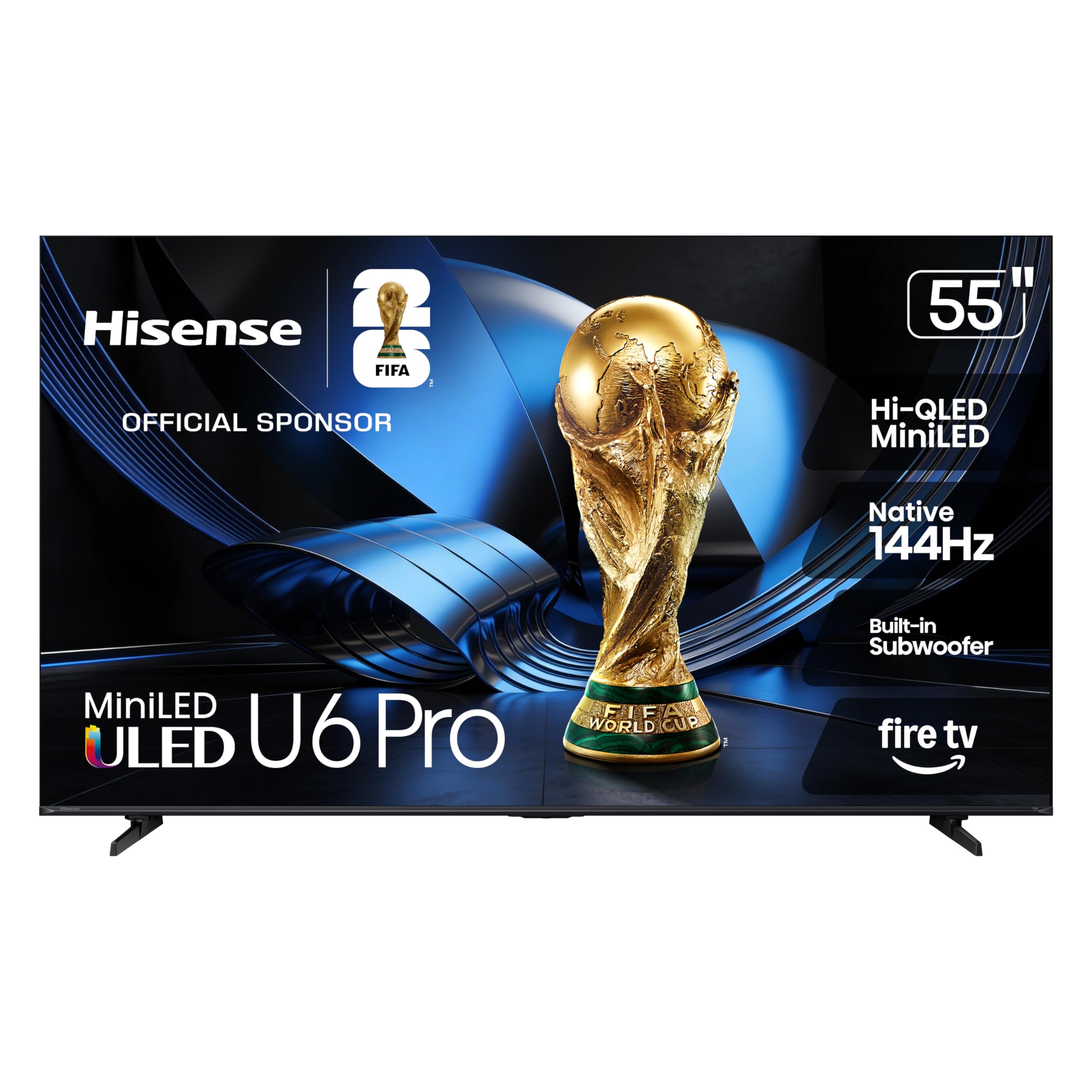
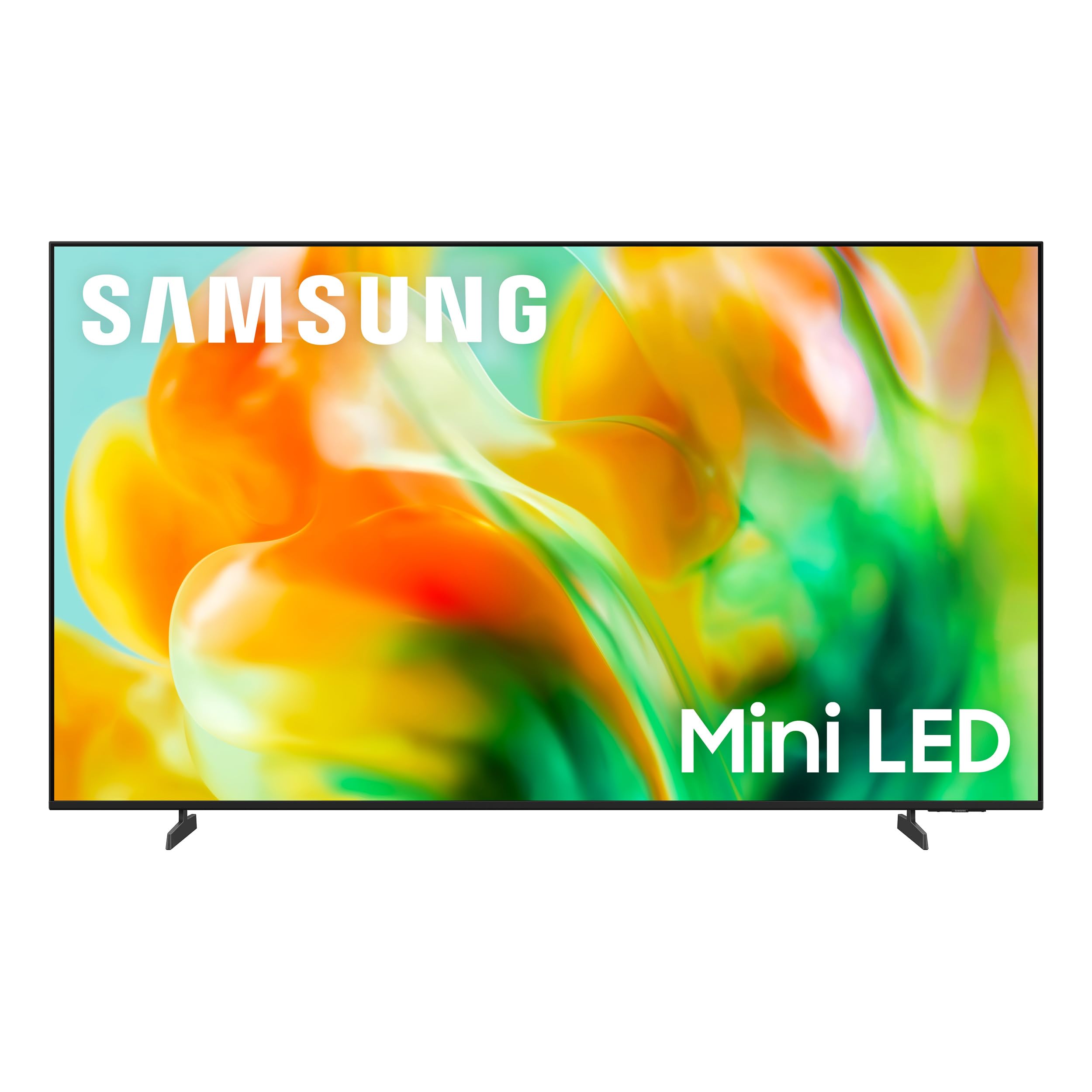
11 Best 55-Inch Gaming TV of 2026: Mini LED Performance Without OLED Price

Which 55-inch TV delivers true 120Hz gaming without the marketing gimmicks? This guide cuts through DLG and fake refresh rates to find the real gaming TVs for console and PC.

Many TVs advertised as 120Hz actually rely on motion interpolation or dual-line gate (DLG) technology that cuts resolution to hit that number. A native 120Hz panel with VRR is the baseline for smooth, tear-free gaming on PS5 and Xbox Series X.

Mini LED sets now deliver deep blacks and high brightness at half the cost of OLED, but they can't match OLED's infinite contrast and pixel-level response. The choice between them comes down to your room lighting and how much you value perfect black in dark scenes.

This guide focuses on the models that combine the right specs, real-world reliability, and honest pricing — so you know exactly what you're getting before you plug in your console.

1

Best Overall 55-Inch Gaming TV

TCL 55QM6K

88 /100
Lab Score Excellent

Key details

VRR
Yes
HDMI 2.1
2
Display Type
Mini LED QLED
Native Refresh
144Hz
View on Amazon

The 55QM6K uses Mini LED backlighting with local dimming to produce deep black levels and vivid colors that rival sets costing hundreds more. Dolby Vision, HDR10+, and HLG support ensure HDR content looks punchy across streaming and discs.

Gamers get a native 144Hz refresh rate with VRR and Game Accelerator for up to 240Hz VRR, delivering smooth, tear-free gameplay on PS5, Xbox, and PC. Two HDMI 2.1 ports handle 4K at 144Hz, and input lag stays low enough for casual and competitive play.

The panel's high brightness and anti-glare coating maintain visibility in well-lit rooms without washing out blacks, a common compromise on cheaper gaming TVs. Google TV provides access to major streaming apps, though initial app loading can feel slightly slower than dedicated smart platforms.

This TV suits budget-conscious console and PC gamers who want premium HDR and high refresh rates without the OLED price. It also works well in family rooms with mixed lighting. Buyers who need the absolute lowest input lag for esports or prefer a different smart TV platform should consider OLED alternatives. Occasional power failures or app glitches have been noted, so a willingness to troubleshoot minor software hiccups is worth having.

💡 If the TV fails to power on or an app crashes, a full power cycle (unplug for 30 seconds) usually resolves the issue.

Pros

  • Deep black levels and vivid color saturation across HDR content
  • Competitive feature set at a price well below comparable Mini LED models
  • Straightforward assembly and stable construction
  • Maintains picture quality in bright rooms thanks to high brightness and anti-glare

Cons

  • Some units may experience power failures or streaming app glitches
Our verdict

Offers the best balance of gaming features and picture quality at this price, provided you are comfortable with the possibility of minor software quirks.
Check Latest Price
2

Best for Bright Rooms

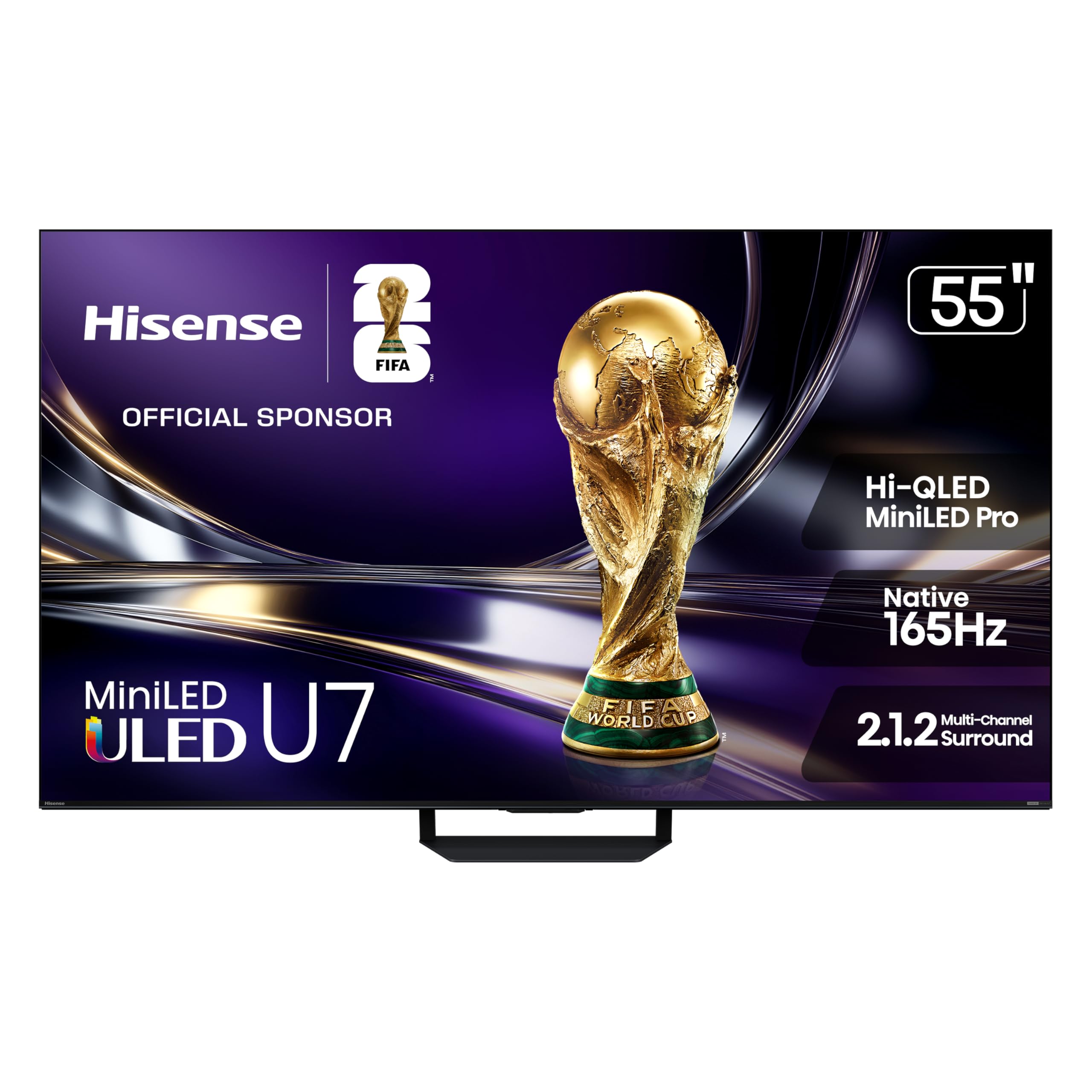
Hisense 55U7SG

88 /100
Lab Score Excellent

Key details

VRR
Yes
HDMI 2.1
2
Display Type
Mini LED Pro QLED
Native Refresh
165Hz
View on Amazon

Hisense's 55U7SG delivers a native 165Hz refresh rate — higher than the 144Hz found on the TCL QM6K — while its anti-reflection screen cuts glare from windows and overhead lights. This makes it a stronger choice for living rooms where sunlight hits the screen, rather than a dedicated dark gaming den.

This TV suits PS5 and Xbox Series X owners who game in bright rooms and want the smoothest motion available at this price. The tradeoff is that long-term durability is less established — occasional reports of backlight bleed or dead pixels have been noted, though they are not common. The built-in speakers also lack bass, so a soundbar is a practical addition for immersive audio.

For competitive gaming, the 165Hz panel reduces motion blur and VRR up to 330Hz (with FreeSync Premium Pro) keeps the image tear-free. Dolby Vision IQ and HDR10+ bring vibrant HDR to supported titles. The anti-glare coating maintains clarity even with direct light, a clear advantage over the QM6K in sunlit rooms.

💡 The built-in Devialet-tuned speakers are thin on bass — adding a soundbar transforms the gaming audio experience.

Pros

  • Vibrant picture with high brightness and deep black levels for a Mini LED.
  • Anti-reflection screen holds up well under direct sunlight and overhead lights.
  • Competitive value against more expensive Mini LED gaming TVs.

Cons

  • Bass is lacking and clarity is average; a soundbar improves the experience.
  • Some units may exhibit backlight bleed or dead pixels
Our verdict

For bright-room gamers who prioritize anti-glare and the highest native refresh rate below $800, the U7SG delivers where the QM6K cannot — just pair it with a soundbar and inspect the panel upon arrival.

Check Latest Price
3

Best Picture Quality (Premium)

LG OLED55C5

89 /100
Lab Score Excellent

Key details

VRR
Yes (G-Sync/FreeSync)
HDMI 2.1
4
Display Type
OLED evo
Native Refresh
120Hz (144)
View on Amazon

The LG C5 sets a new benchmark for gaming image quality with true OLED blacks and infinite contrast, backed by four full HDMI 2.1 ports, G-Sync support, and a 0.1ms response time. Where the TCL QM6K relies on Mini LED zones, this panel delivers pixel-level lighting control for deeper HDR impact.

In fast-paced single-player titles, the combination of 120Hz native refresh (144Hz with overclock) and VRR eliminates screen tearing without introducing blur. The low input lag makes responsiveness immediate, and Dolby Vision support adds dynamic metadata for richer color and brightness. Built-in audio with Atmos processing is decent for casual play, though serious home theater setups will still benefit from a soundbar.

This TV is best for hardcore gamers who spend hours in story-driven titles and want the best picture quality money can buy. PC gamers with G-Sync-capable GPUs will appreciate the full set of HDMI 2.1 ports at 4K 120Hz. However, if you frequently leave static HUDs on screen or use the TV as a desktop monitor, the burn-in risk is a real boundary worth planning around. Similarly, rooms with bright ambient light may expose the OLED's lower peak brightness compared to Mini LED alternatives.

💡 For the most consistent streaming experience, connect via Ethernet rather than relying on WiFi.

Pros

  • Infinite contrast and deep blacks deliver an immersive HDR gaming experience.
  • Four HDMI 2.1 ports, G-Sync, and 0.1ms response time make it a top choice for PC and console gamers.
  • Built-in speakers handle Dolby Atmos content adequately, reducing the need for a separate soundbar.

Cons

  • The premium price requires justification; those who don't fully use gaming features may find better value elsewhere.
  • WiFi connectivity can be inconsistent, and occasional software glitches may disrupt streaming sessions.
Our verdict

The LG C5 delivers unmatched gaming image quality, but its premium price and burn-in risk make it a niche purchase for enthusiasts who want the best, not the safest.

Check Latest Price
4

Best Budget Multi-Console Setup

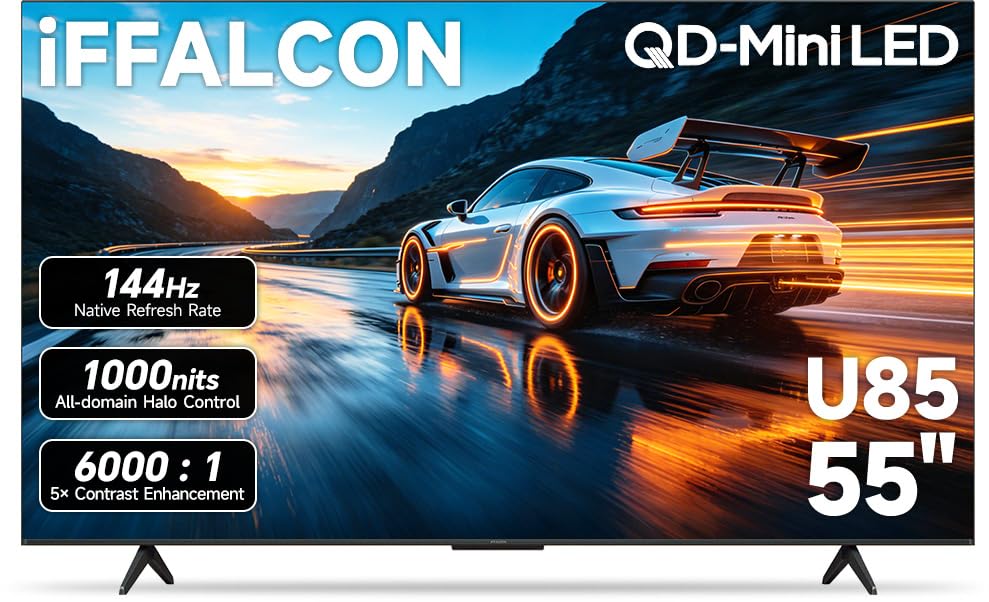
iFFALCON 55U85

84 /100
Lab Score Excellent

Key details

VRR
Yes (FreeSync)
HDMI 2.1
4
Display Type
Mini LED
Native Refresh
144Hz
View on Amazon

Four full HDMI 2.1 ports are the standout feature here. Two support 4K at 144Hz with VRR, and the remaining two handle 4K at 60Hz — enough to connect a PS5, Xbox Series X, and a PC without swapping cables. Combined with FreeSync Premium Pro and a 144Hz native panel, this is a uniquely practical setup for households running multiple consoles or a console-plus-PC combo.

Picture quality holds its own at this price point. The Mini LED backlight delivers around 1000 nits peak brightness and a 6000:1 contrast ratio, producing solid HDR highlights and decent black levels for a non-OLED set. Dolby Vision and HDR10+ support means most streaming content will look correct. The built-in hotel mode and IP control are unusual extras that benefit short-term rental hosts, but most buyers will appreciate the flexibility.

This TV suits gamers who need simultaneous HDMI 2.1 connections and are comfortable with a less established brand — iFFALCON is a TCL sub-brand, so support infrastructure may be narrower than larger brands. The two 60Hz ports limit full 144Hz gaming to two inputs, so competitive PC gamers who want four 144Hz sources should look elsewhere. For the price, the tradeoff is reasonable.

💡 Connect your primary gaming console or PC to one of the two 144Hz ports to make full use of the high refresh rate — label the inputs to avoid confusion.

Pros

  • Four HDMI 2.1 ports with VRR for simultaneous multi-console setups
  • Good picture quality with 1000 nits peak brightness and 6000:1 contrast
  • Hotel mode and IP control for commercial or rental use

Cons

  • Only two of the four HDMI 2.1 ports support 144Hz; the others max out at 60Hz
Our verdict

If you need four HDMI 2.1 ports without breaking $500, this is the only option. For gamers who don't need 144Hz on every input, it delivers strong value.

Check Latest Price
5

Best for All-Round Gaming and Audio

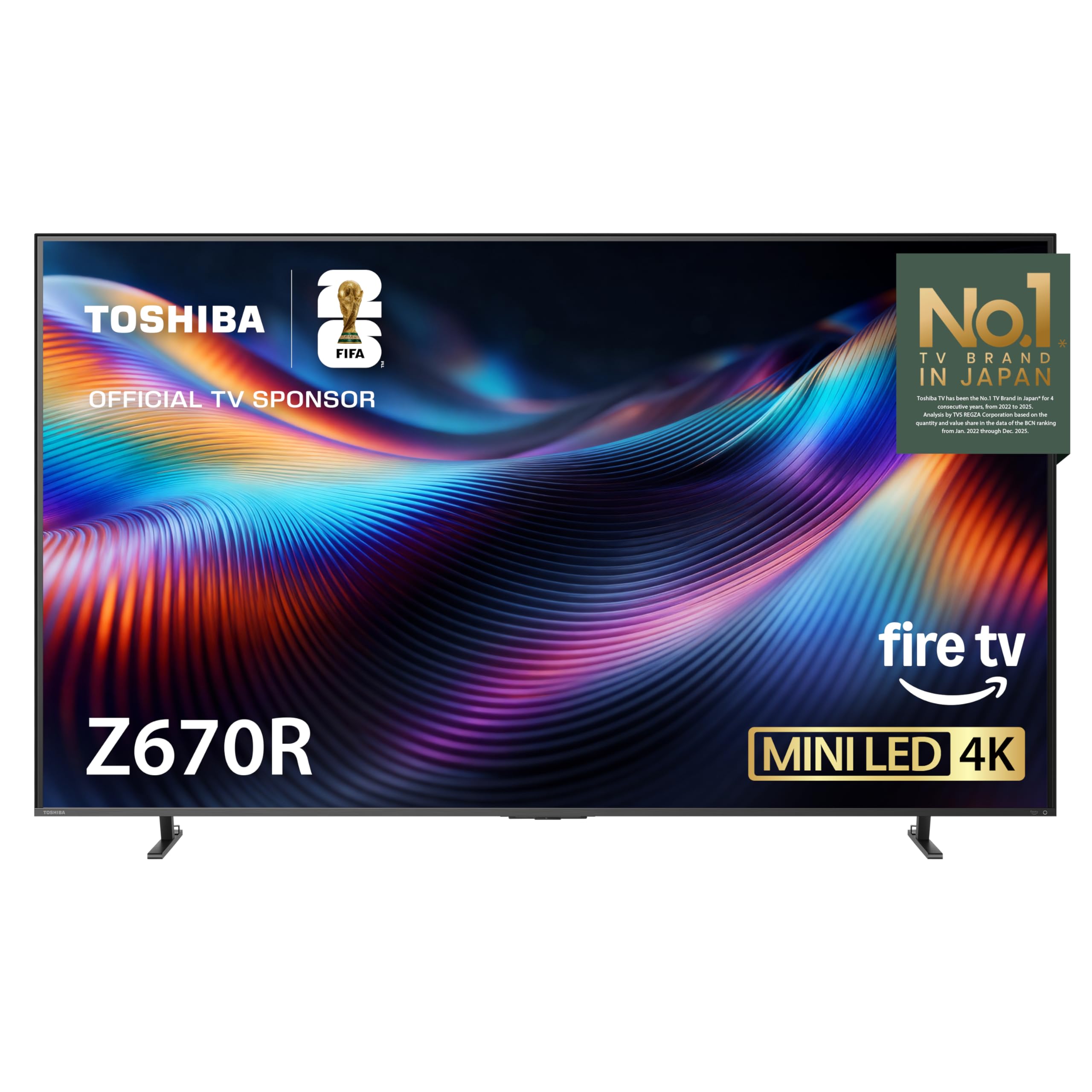
Toshiba 55Z670R

84 /100
Lab Score Excellent

Key details

VRR
Yes
HDMI 2.1
4
Display Type
Mini LED QLED
Native Refresh
144Hz
View on Amazon

The Toshiba 55Z670R stands out among mid-range Mini LED gaming TVs by integrating a dedicated subwoofer and REGZA Power Audio Pro, delivering fuller sound without an external bar. Its 144Hz native panel supports AMD FreeSync Premium and VRR, matching the gaming credentials of the segment's proven leader while adding Dolby Vision IQ for HDR content.

This set suits early adopters who prioritize a complete gaming feature set and decent built-in audio over a long track record. Buyers should note that Toshiba's after-sales support network is not as extensive as that of larger TV manufacturers, and the model's long-term behavior under heavy gaming use is less documented.

Pros

  • Mini LED and QLED panel delivers deep blacks and vibrant colors in HDR content.
  • 144Hz native refresh rate with VRR, FreeSync Premium, and ALLM ensures smooth, tear-free gameplay.
  • Built-in subwoofer and REGZA audio processing provide better-than-average TV sound for dialog and effects.

Cons

  • Toshiba's customer support and repair infrastructure is less robust than that of TCL or LG, which may cause delays if hardware issues occur.
Our verdict

Gamers who want a feature-rich Mini LED with good native audio and are comfortable with a newer model will find the 55Z670R a capable partner. Those who want a TV with a longer history of consistent user reports should look to the TCL QM6K.

Check Latest Price
6

Best Entry-Level 120Hz

TCL 55T7

86 /100
Lab Score Excellent

Key details

VRR
Yes
HDMI 2.1
1
Display Type
QLED
Native Refresh
120Hz
View on Amazon

The TCL 55T7 delivers the core gaming features that matter most: a native 120Hz panel, VRR support, and low input lag — all at a price that undercuts every competitor with similar refresh rates. Where the top pick (TCL QM6K) adds Mini LED backlighting for richer contrast, the T7 uses standard QLED without local dimming, so black levels are acceptable in a lit room but lack depth in darker scenes. For a dedicated gaming setup in a bedroom or dorm, that tradeoff is easy to live with.

This TV fits first-time 4K gamers who want smooth motion and tear-free gameplay on a tight budget — think college students or secondary gaming rooms. The built-in sound is thin and lacks bass, so an external soundbar or speakers are a practical addition. Occasional software hiccups, like brief interface freezes or remote unresponsiveness, have been noted, but they do not interrupt gameplay once you are in the game. The Google TV platform offers broad app support, though the interface can feel sluggish after extended use.

💡 Plugging in a basic soundbar or external speakers resolves the audio shortfall, and keeping the TV software updated may reduce the occasional interface hiccups.

Pros

  • Vibrant QLED colors and sharp 4K out of the box with good color accuracy
  • Responsive gaming experience with no noticeable lag for PS5 and Xbox
  • Cost-effective entry point for 120Hz and VRR gaming under $500

Cons

  • In a quiet room, the built-in speakers lack bass and clarity, making external audio a practical upgrade
  • The interface can freeze or the remote may become unresponsive for a few seconds at a time
  • Black levels appear grayish in a dark room with HDR content due to the lack of local dimming
Our verdict

If your budget is tight and you need a 55-inch TV that handles 120Hz gaming smoothly, the TCL 55T7 delivers the essentials without breaking the bank — just plan for a soundbar if you want clear dialogue.

Check Latest Price
7

Fire TV Users

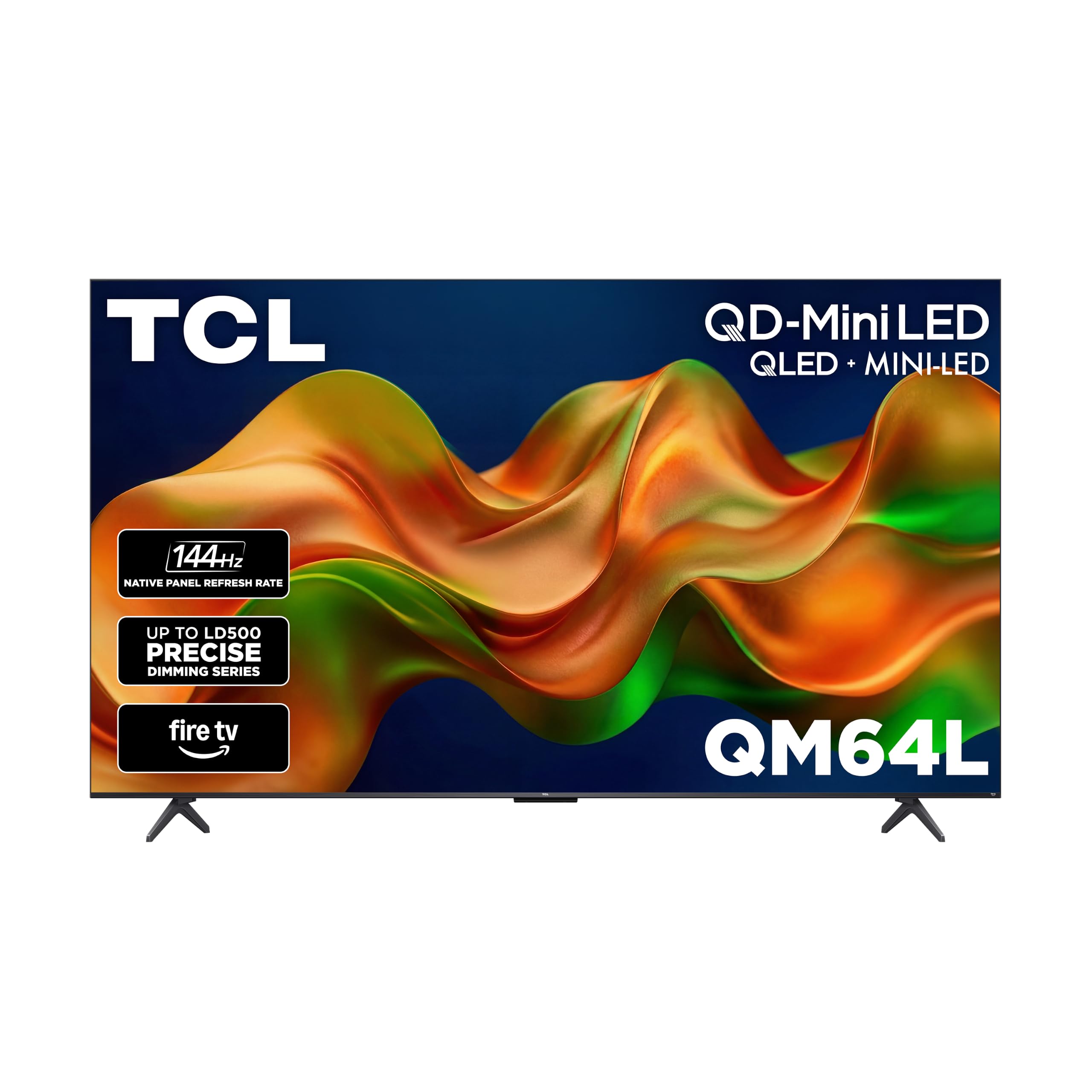
TCL 55QM64L

83 /100
Lab Score Excellent

Key details

VRR
HDMI 2.1
4
Display Type
Mini LED QLED
Native Refresh
144Hz
View on Amazon

This TCL delivers vibrant HDR, strong brightness for sunlit rooms, and a 144Hz panel paired with Dolby Vision and Onkyo audio — a capable combination for casual and immersive gaming. The Fire TV interface integrates well with Amazon services. However, VRR is not explicitly confirmed, making screen tearing a real possibility in competitive play, and some units have exhibited power-off behavior after a few minutes. Priced slightly above the top pick (TCL QM6K), this set trades Google TV for Amazon's ecosystem. Only consider if you prefer Fire TV and can accept the VRR uncertainty.

Pros

  • Excellent picture quality with vibrant colors and strong contrast for gaming and movies.
  • Great value for a Mini LED set with native 144Hz refresh rate.
  • Bright panel handles sunlit rooms well with high brightness and anti-glare coating.

Cons

  • VRR support is ambiguous
  • Potential for power-off behavior after a few minutes of use in some units.
Our verdict

Best suited for Fire TV loyalists who prioritize 144Hz and HDR over tear-free VRR, and who are comfortable with a modest risk of early power issues.

Check Latest Price
8

Early Adopters

Hisense 55U7SF

83 /100
Lab Score Excellent

Key details

VRR
Yes
HDMI 2.1
2
Display Type
Mini LED Pro QLED
Native Refresh
165Hz
View on Amazon

The Hisense 55U7SF pairs a 165Hz Mini-LED panel with a Devialet-tuned 2.1.2 sound system that includes a separate subwoofer, delivering room-filling audio often missing from TVs in this price range. It runs on Fire TV, which offers a different app library and interface than Google TV. The picture quality is strong: high brightness, deep blacks, and solid anti-glare make it a capable choice for bright rooms and HDR gaming.

Where it falls short of a higher recommendation is value: the nearly identical U7SG (Google TV version) sells for less, and the Fire TV ecosystem is a preference rather than an upgrade. This model is best suited for shoppers who specifically want Fire TV integration and are willing to pay a premium for the Devialet audio – not for those optimizing for price or long-term track record.

Pros

  • Bright, high-contrast Mini-LED picture with minimal glare in lit rooms
  • Built-in 2.1.2 Devialet sound system with separate subwoofer delivers powerful audio

Cons

  • Power cord length may be too short for setups with outlets far from the TV stand
Our verdict

If Fire TV is your preferred smart platform and you prize immersive built-in audio over saving money, this is the 165Hz gaming TV to consider – but the Google TV version offers the same core specs for less.

Check Latest Price
9

PS5 Owners

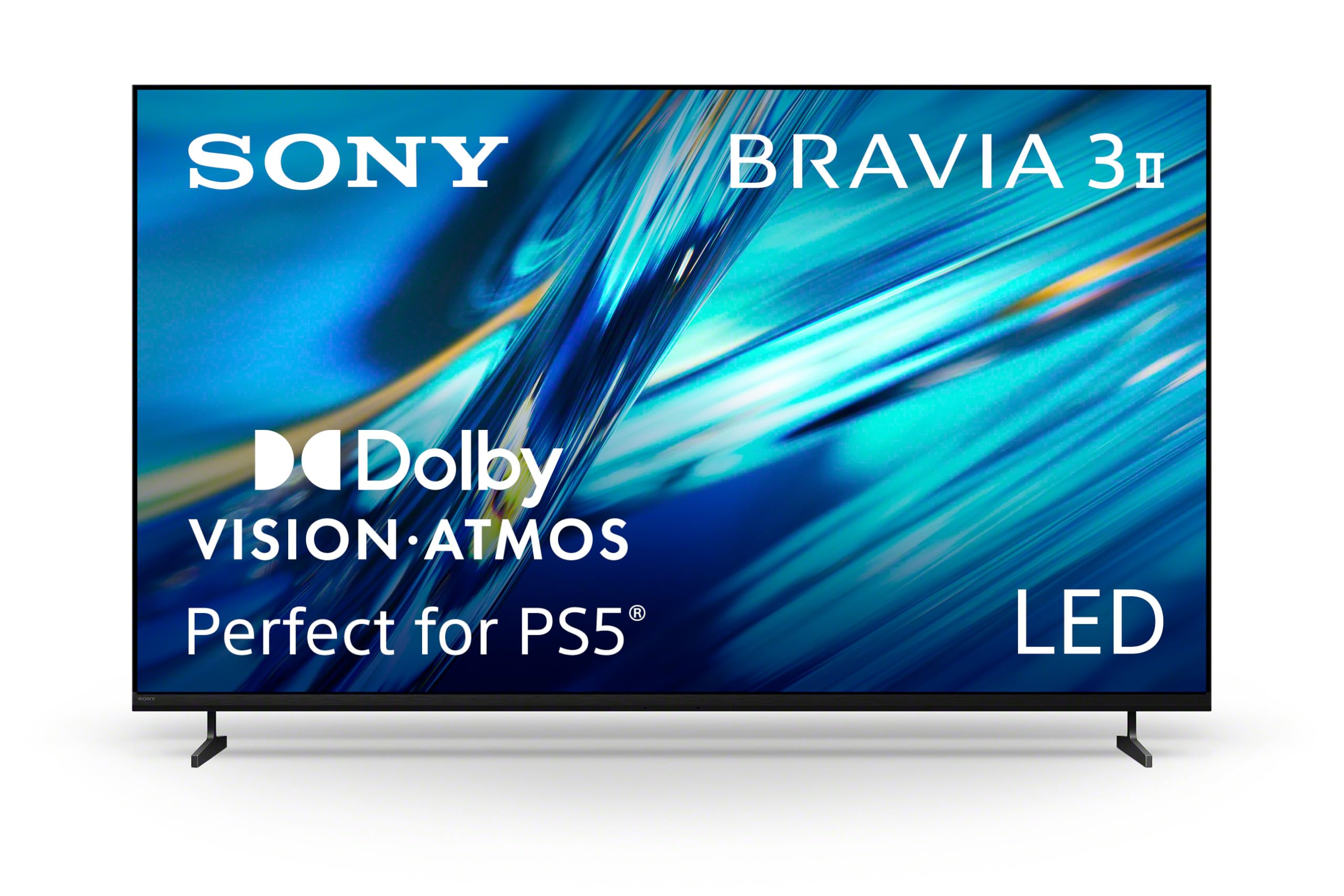
Sony 55XR30M2

78 /100
Lab Score Very Good

Key details

VRR
Yes
HDMI 2.1
4
Display Type
LED
Native Refresh
120Hz
View on Amazon

Sony's BRAVIA 3 II delivers exceptional PS5 integration with Auto HDR Tone Mapping and Auto Genre Mode, plus excellent upscaling from the XR processor. The built-in speakers provide adequate audio for casual viewing. However, the panel lacks the contrast depth of Mini LED or OLED competitors, and long-term reliability is less documented than more established models. This makes it a fit for Sony loyalists who prioritize seamless gaming features over a proven track record.

Pros

  • Sony's XR upscaling produces sharp, accurate colors across mixed content.
  • Exclusive Auto HDR Tone Mapping and Auto Genre Mode optimize PS5 gameplay with low input lag.
  • Built-in speakers offer adequate audio for casual viewing without a soundbar.

Cons

  • During heavy streaming, occasional WiFi drops and Android casting glitches may occur.
Our verdict

Best for dedicated PS5 gamers who want Sony's picture processing and don't mind a shorter track record compared to Mini LED competitors.

Check Latest Price
10

Casual Gaming

Hisense 55U6SF Pro

85 /100
Lab Score Excellent

Key details

VRR
HDMI 2.1
Display Type
Mini LED QLED
Native Refresh
144Hz
View on Amazon

The Hisense 55U6SF Pro delivers strong Mini LED contrast and color saturation, with a built-in subwoofer that gives bass presence most TVs in this price range skip entirely. However, the absence of VRR means competitive gaming on PS5 or Xbox Series X risks visible screen tearing — this is a TV for movie nights and casual play, not ranked matches.

Pros

  • Vibrant Mini LED picture with deep contrast and rich colors.
  • Built-in subwoofer adds surprising bass for a TV at this price.

Cons

  • No VRR support
  • Brightness is adequate but may fall short in very bright rooms compared to higher-tier models.
Our verdict

This TV fits buyers who want solid picture and audio for mixed use but don't need tear-free variable refresh for competitive gaming.

Check Latest Price
11

Casual Viewers

Samsung 55M80H

82 /100
Lab Score Excellent

Key details

VRR
HDMI 2.1
Display Type
Mini LED
Native Refresh
120Hz
View on Amazon

The Samsung 55" M80H delivers pleasing Mini LED picture quality with good brightness for casual TV and streaming, and its lightweight build makes wall mounting easy. However, it lacks VRR and HDMI 2.1 ports, so screen tearing becomes noticeable during fast-paced console games, and modern consoles are capped at 4K60 without variable refresh support. This is a fine choice for buyers focused on sports and shows who game lightly, but it does not meet the needs of competitive or multi-console gamers.

Pros

  • Good contrast and brightness for mixed use at a mid-range price.
  • Lightweight frame and simple setup process.

Cons

  • No VRR support leads to screen tearing during fast-moving game scenes.
  • Three HDMI 2.0 ports limit modern consoles to 4K60 without HDMI 2.1 bandwidth.
Our verdict

Suits casual TV viewers and light gamers who prioritize picture quality over tear-free performance.

Check Latest Price

How to Choose

Native Refresh Rate

A native 120Hz panel is the minimum for smooth 4K gaming on PS5 and Xbox Series X. Many sets advertise 120Hz or 144Hz via dual-line gate (DLG), which halves vertical resolution to hit that number. Always check the spec sheet for native refresh rate, not motion-enhanced ratings.

For competitive shooters, 144Hz native reduces motion blur and input lag further. At 60Hz, the difference between 30 and 60 fps is massive, but from 60 to 120 the improvement is still noticeable, especially in fast camera pans.

VRR Support

Variable refresh rate (VRR) synchronizes the TV's refresh rate to the game's frame rate, eliminating screen tearing without vsync input lag. Without VRR, frame rate dips cause visible stutter or tearing. HDMI VRR, FreeSync, and G-Sync are all variations; most gaming TVs support at least one.

If you play competitive multiplayer games, VRR is essential. Casual single-player games can tolerate tearing, but once you experience smooth VRR, it's hard to go back.

HDMI 2.1 Ports

HDMI 2.1 enables 4K@120Hz, HDR, and VRR on a single cable. If you own both a PS5 and Xbox Series X, plus a soundbar, you need at least two HDMI 2.1 inputs. Many mid-range TVs only have one, forcing you to choose which console gets the best port.

Budget sets often use HDMI 2.0, which limits 4K to 60Hz. Check the port count and version before buying.

Display Technology

Mini LED uses thousands of tiny LEDs to dim zones independently, delivering deep blacks and high brightness. It excels in bright rooms and costs less than OLED. OLED offers per-pixel lighting for perfect blacks and faster pixel response, but at lower peak brightness and risk of burn-in with static HUDs.

QLED is a step below Mini LED in contrast but still offers good color volume for the price. For dark room gaming, OLED wins; for mixed lighting, Mini LED is the practical choice.

Frequently Asked Questions