2 Best CPU for Radeon RX 9070 XT 2026: Maximize FPS with 3D V-Cache

Match the right AMD CPU to your RX 9070 XT for GPU-limited gaming without bottleneck. Cut through core-count hype to find the truly best gaming performance.

Most gamers assume a 16-core CPU will outperform an 8-core for high-end graphics cards like the Radeon RX 9070 XT. In practice, cache size matters far more than core count for frame rates in demanding titles.

The RX 9070 XT thrives when paired with a processor that can feed it data quickly. CPUs with 3D V-Cache deliver that speed by reducing memory latency and keeping the GPU fed in CPU-bound moments.

This guide focuses on AMD AM5 options that actually complement the RX 9070 XT, sorted by how they handle the trade-off between gaming performance and multitasking headroom.

1

Best Overall

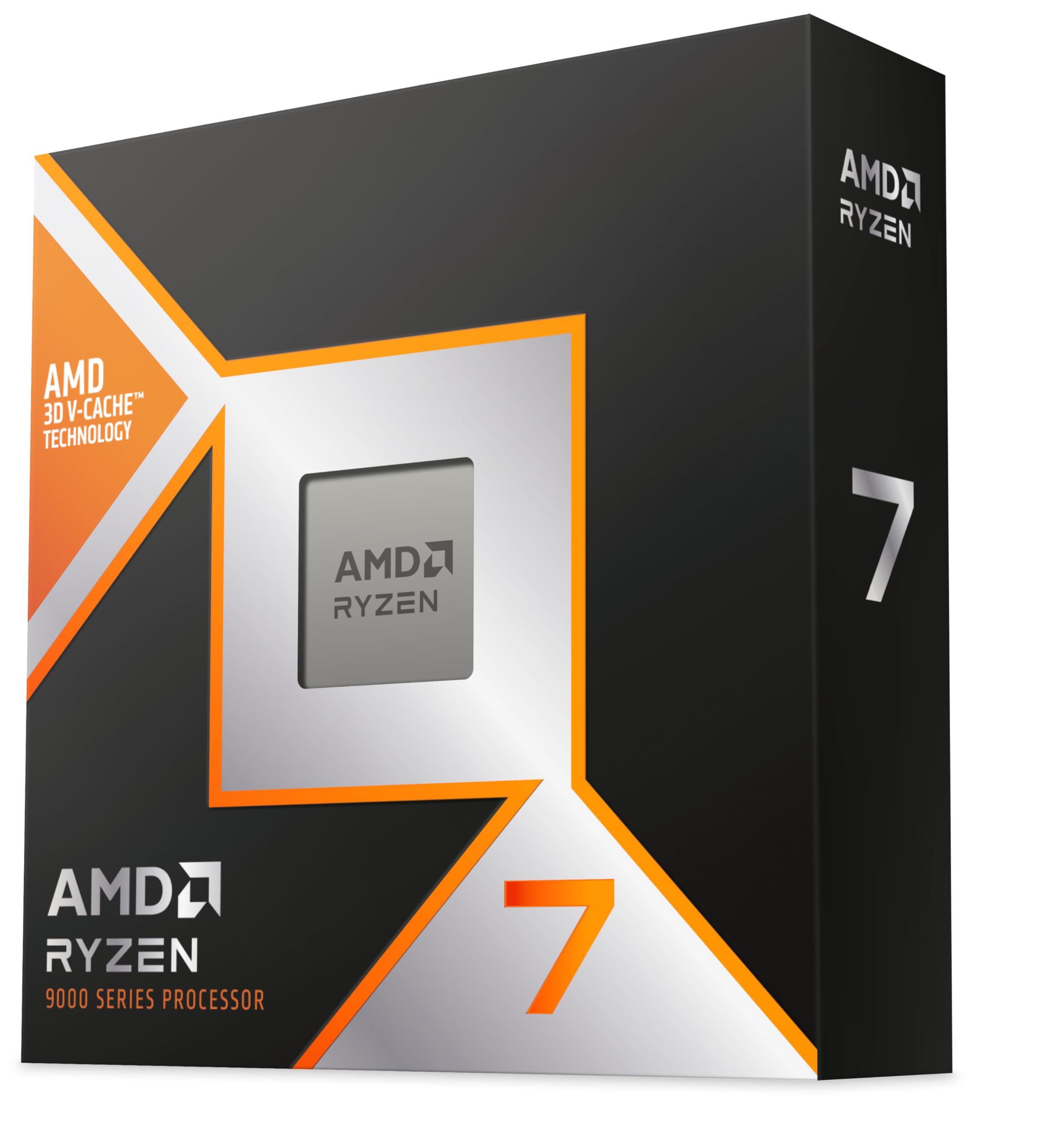
AMD Ryzen 7 9800X3D

96 /100
Lab Score Outstanding

Key details

TDP
140 W
Cores
8
Socket
AM5
3D V-Cache
96 MB
View on Amazon

The 9800X3D's 3D V-Cache design translates directly to measurable frame rate advantages in CPU-bound games, especially at 1440p and 4K when paired with a high-end GPU like the RX 9070 XT. Despite aggressive performance, the chip maintains low temperatures under load thanks to efficient power delivery, with a 140W TDP that rarely hits sustained limits in gaming scenarios.

In practice, the 9800X3D keeps cool with standard tower air coolers or 240mm AIOs, leaving room for quiet operation. The 96MB L3 cache reduces latency for game assets, improving 1% lows and delivering smoother gameplay in titles that benefit from cache-heavy architectures.

This CPU is built for enthusiast gamers assembling a high-refresh-rate 1440p or 4K system around an RX 9070 XT. It shines in demanding simulators and competitive shooters where every frame counts. For content creators relying on multi-threaded rendering, the 8-core/16-thread configuration may feel constrained compared to 12- or 16-core non-X3D options. Budget-conscious builders will find the premium price hard to justify if gaming is casual or limited to lighter titles.

The combination of low power draw and strong cooling performance makes the 9800X3D a straightforward fit for most AM5 motherboards, and it outpaces previous X3D generations in both thermal efficiency and raw gaming speed. No exotic cooling is required, just a capable BIOS update to support Zen 5.

Pros

  • 3D V-Cache delivers measurable frame rate boosts in CPU-bound games, especially at high resolutions.
  • Runs cool under sustained gaming loads, reducing noise from cooling fans.
  • Low power consumption for its performance class, saving on electricity and heat output.
  • Strong value for high-end gaming builds, justifying its price with tangible performance gains.

Cons

  • Premium price that overshoots the needs of budget-constrained gaming builds or systems paired with lower-end GPUs.
Our verdict

For enthusiast gamers who want the highest frame rates with an RX 9070 XT and don't mind the premium, this is the CPU to build around.

Check Latest Price
2

Best Budget Gaming CPU

AMD Ryzen 7 9700X

95 /100
Lab Score Outstanding

Key details

TDP
105 W
Cores
8
Socket
AM5
3D V-Cache
No
View on Amazon

The Ryzen 7 9700X delivers strong gaming performance and exceptional efficiency at a budget price, enabling a balanced RX 9070 XT build without overspending. Its 5.5 GHz boost and Zen 5 architecture handle most games smoothly at a fraction of the cost of top-tier CPUs.

It runs cool and power-efficient, even in 65 W eco mode, making it a natural fit for small form factor systems. When paired with an RX 9070 XT at 1440p or 4K, the CPU is rarely the bottleneck.

This processor is ideal for budget-conscious gamers building a well-rounded system and for compact PC enthusiasts who value low heat output. Gamers targeting maximum frame rates in CPU-bound titles will want to look at X3D alternatives.

Pros

  • Strong gaming performance at a budget-friendly price point.
  • Very power efficient and runs cool, easing cooling requirements and electricity costs.
  • Good price-performance ratio and easy installation.

Cons

  • In CPU-bound gaming at high refresh rates, the 9700X can trail X3D models by a noticeable margin.
  • For cache-sensitive productivity tasks, the missing 3D V-Cache means slower processing compared to X3D alternatives.
Our verdict

For budget-conscious RX 9070 XT builders who prioritize efficiency and cost over peak CPU frame rates, the 9700X offers strong value with minimal compromise outside of cache-dependent workloads.

Check Latest Price

How to Choose

3D V-Cache

3D V-Cache stacks additional L3 cache on the CPU die, dramatically reducing memory latency in games that repeatedly access the same data blocks. This directly increases frame rates in CPU-limited scenarios like crowded multiplayer or physics-heavy simulations.

For the RX 9070 XT, a CPU with 3D V-Cache keeps the GPU fed during short bursts of high demand, preventing stutter when the scene complexity spikes. Non-V-Cache CPUs have to fetch data from slower system memory more often, leaving performance on the table.

Core Count

More cores benefit content creation and multi-tasking but rarely improve pure gaming frame rates. An 8-core CPU with 3D V-Cache often outperforms a 16-core non-V-Cache CPU in games because cache speed matters more than parallel processing.

If you stream, record, or run background tasks while gaming, 12 or 16 cores provide headroom without sacrificing gaming performance — but only if paired with sufficient cache. For a dedicated gaming rig, 8 cores is the sweet spot.

Thermal Design Power

TDP dictates the cooling solution required. Lower TDP CPUs (105 W or less) run cooler and allow smaller, quieter coolers, ideal for compact builds. Higher TDP (140 W+) demands at least a good air cooler or a 240mm liquid cooler.

The RX 9070 XT itself generates heat; pairing it with a hot CPU can stress airflow in mid-tower cases. Budget-friendly options like the 9700X (65W eco mode) keep overall system temperatures manageable.

Socket Compatibility

All recommended CPUs use the AM5 socket, which is the current AMD standard and supports DDR5 memory. Ensure your motherboard BIOS is updated for newer Zen 5 chips. AM4 is not compatible with the Ryzen 7 9700X or any X3D models listed.

Boost Clock and Cache Size

Boost clock determines single-thread speed, which affects responsiveness in older or lightly-threaded games. Cache size amplifies that benefit by reducing how often the CPU must wait for data from RAM.

A higher boost clock without 3D V-Cache can still lag behind a slightly slower clock with 3D V-Cache in cache-heavy titles like strategy or simulation games. Prioritize cache size over clock speed for the most consistent gaming experience.

Frequently Asked Questions