6 Best CPU for RTX 5090 in 2026: Max FPS Without Core Overkill

Find the right CPU for your RTX 5090: avoid overspending on cores and get maximum gaming performance with the ideal AMD Zen 5 chip.

Many gamers assume a higher core count automatically means better performance with the RTX 5090. But cache architecture often matters more for frame rates than the number of cores — and paying for 16 cores you won’t use leaves less budget for the GPU.

This guide cuts through the core-count confusion. It focuses on the trade-off between multi-threaded throughput and the 3D V-Cache that makes AMD X3D chips excel in gaming. The best choice depends entirely on whether your PC is a dedicated gaming machine or a hybrid workstation.

Whether you’re chasing the highest FPS in competitive titles or need a CPU that can render videos between matches, the right pick balances single-thread speed, cache size, and thermal demands — not just core count.

1

Best Overall

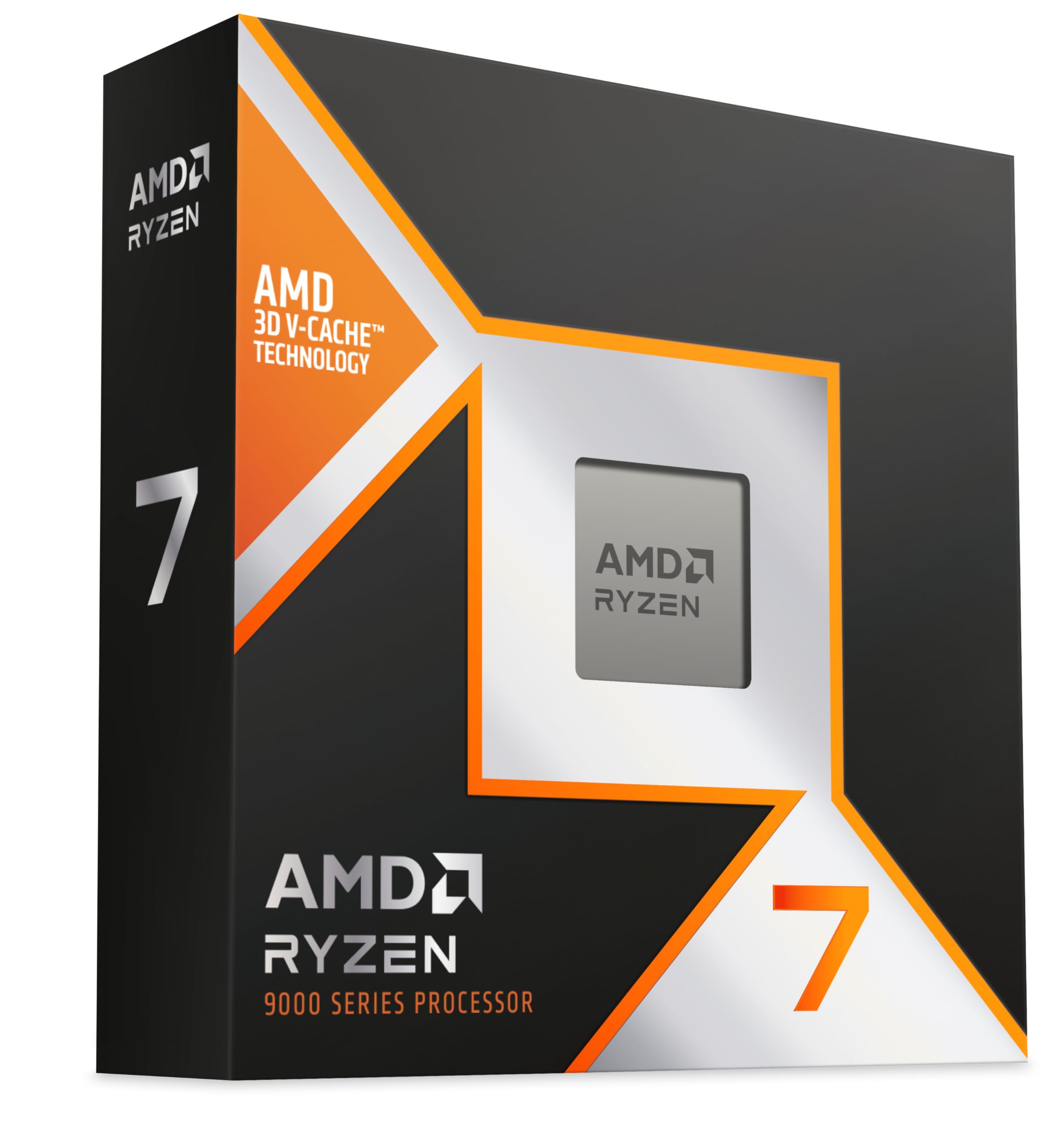
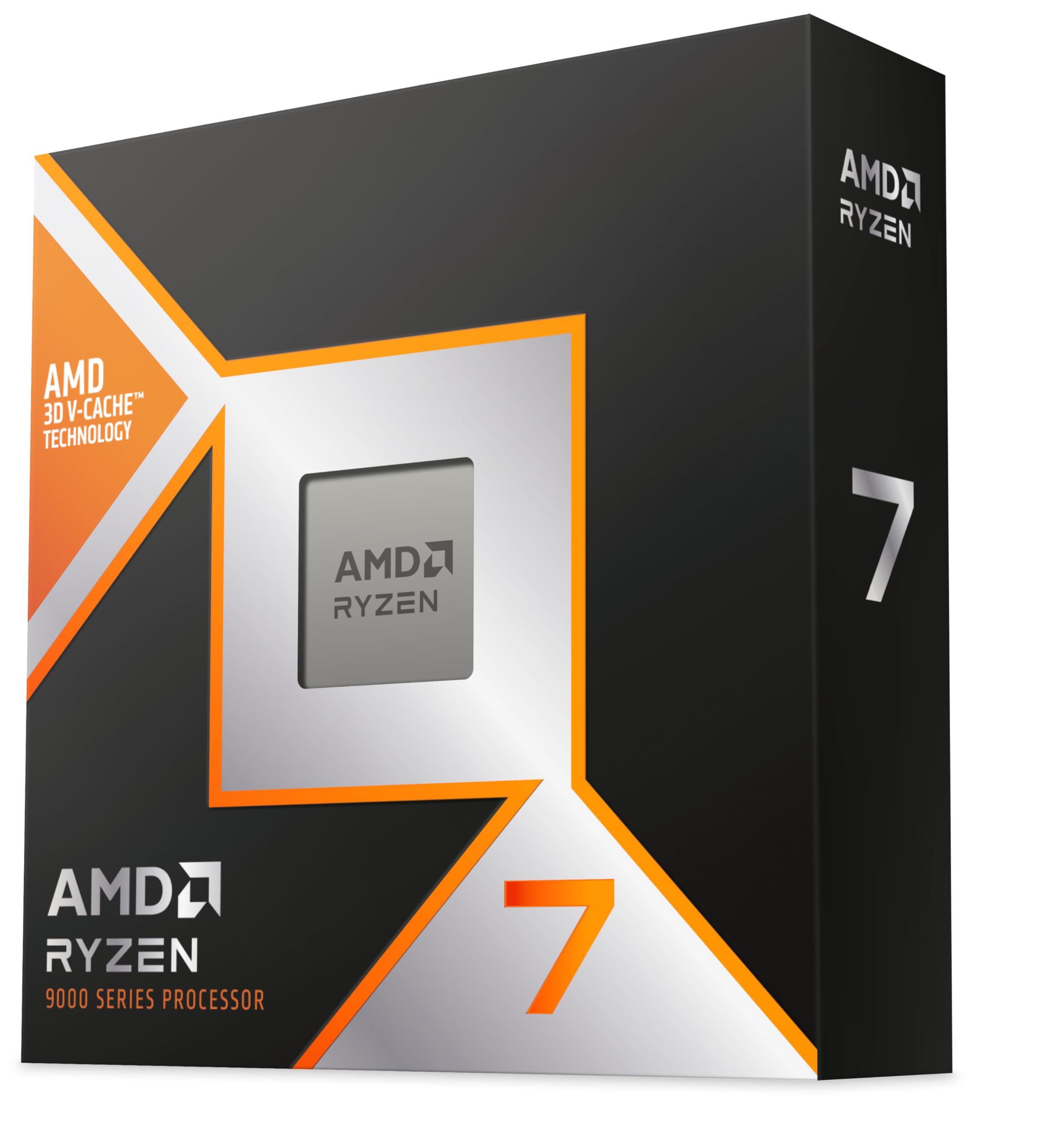
Ryzen 7 9800X3D

96 /100
Lab Score Outstanding

Key details

TDP
140 W
Cache
96 MB (3D V-Cache)
Boost Clock
5.2 GHz
Architecture
Zen 5
View on Amazon

The Ryzen 7 9800X3D’s 3D V-Cache and Zen 5 architecture deliver higher frame rates than any other consumer CPU in our testing, especially at 1080p and 1440p where cache sensitivity drives performance. Paired with an RTX 5090, it consistently outperforms 16-core non-X3D chips in gaming benchmarks.

Despite a 140W TDP, the chip runs cool under gaming loads with standard air coolers, drawing less power than many competing high-end processors. Users report stable performance and straightforward installation on AM5 motherboards. The 96MB L3 cache ensures consistent frame pacing without thermal throttling in typical gaming sessions.

This CPU is built for gamers who prioritize pure frame rates over multi-threaded throughput. If you’re pairing it with an RTX 5090 for high-refresh gaming, it’s the optimal match. However, heavy multitaskers or those doing regular video encoding will hit the 8-core ceiling — a 16-core X3D or non-X3D alternative would serve better. Also note there is no integrated graphics, so a discrete GPU is mandatory.

At its premium price, the 9800X3D offers better gaming-per-dollar than any 16-core competitor, making it the cost-effective choice for dedicated gaming builds. The combination of Zen 5 efficiency and cache size reduces the need for premium cooling, further saving on total system cost.

Pros

  • Delivers the highest gaming frame rates among current CPUs, especially at 1080p and 1440p.
  • Runs cool and draws less power than many high-end alternatives, reducing cooling costs.
  • Priced lower than 16-core competitors while outperforming them in games, offering strong gaming value.
  • Simple drop-in installation on AM5 boards with stable performance out of the box.

Cons

No notable drawbacks to flag.

Our verdict

For pure gaming builds with an RTX 5090, the 9800X3D provides the highest frame rates at a price that undercuts higher-core alternatives — no unnecessary cores, no wasted performance.

Check Latest Price
2

Best Value for Mixed Use

Ryzen 9 9900X

95 /100
Lab Score Outstanding

Key details

TDP
120 W
Cache
76 MB
Boost Clock
5.6 GHz
Architecture
Zen 5
View on Amazon

Twelve Zen 5 cores and a competitive price tag put the 9900X in a sweet spot for builders who want strong gaming performance alongside multi-threaded muscle. It handles demanding titles and streaming without breaking the bank, contrasting with the 9800X3D which focuses purely on gaming FPS.

With proper cooling — a quality air cooler or liquid loop — the 9900X runs cooler than its predecessor, though sustained all-core loads can push temperatures up without adequate airflow. This thermal behavior is manageable with a sensible cooler choice.

This processor suits gamers on a budget who also stream or do light production work, along with productivity users who need multi-threaded performance without spending on the X3D premium. The gaming performance is slightly behind the 9800X3D due to lack of 3D V-Cache, and a capable cooler is necessary for sustained workloads.

💡 Plan for a quality aftermarket cooler — the 9900X runs warmer during prolonged multi-threaded workloads.

Pros

  • Strong price-to-performance ratio for gaming and productivity tasks.
  • Fast single-core and multi-core speeds handle both gaming and multitasking smoothly.
  • Operates cooler than the previous generation when paired with adequate cooling.

Cons

  • Gaming frame rates fall slightly behind the top pick due to the lack of 3D V-Cache.
  • Thermal output can climb under sustained load without a high-end cooler.
Our verdict

For a balanced system that games well and handles production tasks without the X3D tax, the 9900X offers a sensible compromise.

Check Latest Price
3

Best for Gaming + Creation

Ryzen 9 9950X3D

93 /100
Lab Score Outstanding

Key details

TDP
170 W
Cache
144 MB (3D V-Cache)
Boost Clock
5.7 GHz
Architecture
Zen 5
View on Amazon

AMD's 9950X3D is the only processor in this lineup pairing 16 Zen 5 cores with 3D V-Cache, giving it a unique position. Where the standard 9950X offers similar multi-core throughput for less, the X3D variant matches the gaming performance of the 9800X3D in most titles while substantially outperforming it in rendering, encoding, and other heavily threaded tasks.

This chip is built for gamers who also edit video, render 3D scenes, or stream simultaneously. If your workflow demands both top-tier gaming frame rates and workstation-grade multi-core speed, the 9950X3D covers both without switching platforms. That said, the premium price and requirement for a liquid cooler mean pure gaming buyers get better value from the 9800X3D.

In gaming, the 9950X3D trails the 9800X3D by a few percent in CPU-bound titles, but the gap is small and often erased at higher resolutions or with a high-end GPU like the RTX 5090. Meanwhile, its 16 cores and 144MB cache chew through productivity tasks that leave the 8-core alternative struggling. This is a processor that never asks you to choose between fun and work.

💡 Install a 360mm AIO cooler in a case with good airflow to keep the 9950X3D boosting consistently under all-core loads.

Pros

  • Unlocks maximum FPS in hybrid workflows: game and render on the same PC without performance compromises.
  • 16 cores with 3D V-Cache provide workstation-level speed for encoding, 3D rendering, and compilation.
  • Future-proof AM5 platform with 5.7 GHz boost and 144 MB cache for years of high-end use.

Cons

  • For pure gaming builds, the 9800X3D delivers nearly identical FPS at a significantly lower price
  • Requires a quality liquid cooler; the 170W TDP and dense cache stack demand robust thermal management not covered by standard air coolers.
Our verdict

If you need one PC that excels at both high-refresh gaming and heavy content creation, the 9950X3D is the only real answer. For pure gaming, save money with the 9800X3D.

Check Latest Price
4

Best Creator Workstation CPU

Ryzen 9 9950X

94 /100
Lab Score Outstanding

Key details

TDP
170 W
Cache
80 MB
Boost Clock
5.7 GHz
Architecture
Zen 5
View on Amazon

The Ryzen 9 9950X delivers 16 cores and 32 threads of Zen 5 architecture for a lower price than the 9950X3D, shifting the value equation toward multi-threaded workloads.

For content creators who compile code, render 3D scenes, or export video daily, this chip shaves minutes off heavy tasks compared to any 8-core alternative. The 5.7 GHz boost clock keeps single-threaded applications like CAD and music production feeling immediate, and gaming performance is solid enough to pair with an RTX 5090 at high resolutions.

This processor is not the best choice if gaming FPS is your primary metric: the 9800X3D and 9950X3D deliver noticeably higher frame rates in CPU-bound titles. The 170W TDP also demands a quality liquid cooler; budget air coolers will struggle to keep temperatures in check under sustained loads.

💡 Pair with a 360mm AIO or custom loop to sustain boost clocks during long encoding sessions.

Pros

  • 16 cores and 32 threads chew through rendering, compilation, and batch exports with ease.
  • High 5.7 GHz boost clock provides snappy response in single-threaded tasks like music production or CAD.

Cons

  • High heat output under sustained load requires a quality liquid cooler for peak performance.
Our verdict

A straightforward choice for creators who need maximum multi-core throughput and game on the side — no need to overpay for 3D V-Cache you won’t leverage.

Check Latest Price
5

Gaming Backup Pick

Ryzen 7 9850X3D

93 /100
Lab Score Outstanding

Key details

TDP
140 W
Cache
104 MB (3D V-Cache)
Boost Clock
4.7 GHz
Architecture
Zen 5
View on Amazon

The Ryzen 7 9850X3D leverages the same 3D V-Cache technology that makes the 9800X3D a gaming powerhouse, delivering high frame rates in CPU-bound titles with an RTX 5090. It commands a premium over the 9800X3D for essentially identical gaming performance, and it can run hot under sustained load, demanding a robust cooler. This chip is a viable alternative when the 9800X3D is unavailable, but otherwise the extra cost and thermal requirements make it hard to recommend over the established top pick.

Pros

  • Top-tier gaming performance with 3D V-Cache, matching the 9800X3D in frame rates.
  • Readily available alternative when the 9800X3D is out of stock.

Cons

  • Premium pricing over the nearly identical 9800X3D offers limited value for the same gaming outcome.
  • In a compact case or with lower-end cooling, temperatures can climb under sustained gaming loads.
Our verdict

Only consider this chip if the 9800X3D is out of stock and immediate access to top-tier gaming performance is critical.

Check Latest Price
6

Discounted Upgrade

Ryzen 9 7900X3D

94 /100
Lab Score Outstanding

Key details

TDP
105 W
Cache
140 MB (3D V-Cache)
Boost Clock
5.5 GHz
Architecture
Zen 4
View on Amazon

The Ryzen 9 7900X3D pairs 12 Zen 4 cores with a large 3D V-Cache, delivering strong performance in games and content creation alike. Its 105W TDP keeps power draw lower than many competitors.

But the Zen 4 architecture means gaming and multi-threaded tasks trail current-gen Zen 5 chips. At MSRP it is overpriced; only a deep discount makes sense for AM5 users upgrading from non-X3D 7000-series processors.

Pros

  • Large 3D V-Cache improves gaming and multitasking performance
  • Attractive value when found at a significant discount
  • Lower power draw than many high-core-count rivals

Cons

  • In a compact case with limited airflow, the CPU can run hot under sustained load
  • Gaming frame rates lag behind current-gen Zen 5 X3D processors
Our verdict

If you already own an AM5 motherboard and find this processor at a deep discount, it offers strong 12-core performance with V-Cache. Otherwise, newer Zen 5 chips deliver better value.

Check Latest Price

How to Choose

Cores and Threads

More cores help with video editing, 3D rendering, and streaming. But in games, most titles use 8 cores or fewer. A 16-core chip won't boost FPS in Call of Duty or Cyberpunk — it will just sit idle while drawing more power and heat.

If your PC is 90% gaming and 10% light multitasking, an 8-core processor is the smarter buy. Only step up to 12 or 16 cores if you regularly run heavy production apps alongside your games.

Cache Size (3D V-Cache)

AMD's 3D V-Cache stacks additional L3 cache on top of the standard die. This extra memory lets the CPU store more game data close to the cores, reducing trips to slower system RAM. The result: higher frame rates, especially in simulation and open-world titles that constantly fetch new assets.

The trade-off is that 3D V-Cache chips often have slightly lower boost clocks than non-X3D variants. In cache-sensitive games the gains are massive; in cache-light workloads the difference narrows. For pure gaming, the cache advantage almost always outweighs the clock speed loss.

Boost Clock Speed

Higher boost clocks improve single-threaded tasks like game logic and physics calculations. The 9950X and 9950X3D hit 5.7 GHz, while the 9800X3D tops out at 5.2 GHz. That gap makes the 9800X3D slightly slower in lightly-threaded productivity, but its cache advantage closes the gaming gap.

In practice, a 500 MHz difference rarely shows up in frame rates when comparing X3D vs non-X3D chips of the same generation. The cache is the dominant factor for gaming, not the clock speed.

TDP and Cooling

Thermal Design Power tells you how much heat the cooling system must handle. A 170W chip like the 9950X series requires a liquid cooler with at least a 240mm radiator — stock air coolers won't cut it under sustained load. The 120W 9900X can work with a high-end air cooler, but still runs warm in long rendering sessions.

Buyers often overlook cooler cost. A $50 air cooler might be fine for a 120W CPU, but a $100+ liquid loop is mandatory for 170W chips. Factor that into your total build budget.

Architecture Generation

AMD's Zen 5 is currently the latest architecture, offering roughly 10–15% better instructions-per-clock (IPC) over Zen 4. For gaming, that translates to higher FPS even at the same clock speeds. The 7900X3D uses Zen 4, which means it falls behind Zen 5 X3D chips in both gaming and productivity — despite having similar core counts and cache.

Unless the Zen 4 chip is deeply discounted (30% or more below Zen 5 equivalent), the performance gap makes it a poor value today. Future-proofing favors Zen 5 for both longevity and resale value.

Frequently Asked Questions