4 Best CPU for RTX 4090 of 2026: Match Your Gaming or Work Needs

Find the ideal CPU for your RTX 4090 - whether you need max FPS in games or multi-core power for work. Avoid bottlenecks and overspending.

Pairing a $1,600+ RTX 4090 with the wrong CPU is one of the fastest ways to leave performance on the table. Many builders assume any high-end chip will do, but the gap between a budget processor and a gaming-optimized one can mean losing 30% frame rates in CPU-bound titles.

AMD's 3D V-Cache technology gives a tangible edge in games that lean on cache bandwidth, while Intel's hybrid cores handle streaming, rendering, and multitasking without stutter. Marketing often blurs these differences, but your choice comes down to one thing: what you do with the PC beyond gaming.

This guide cuts through the noise by matching CPUs to real workloads. Whether you chase every last FPS at 4K or need a workstation that also games, the right pick saves you money and frustration.

1

Best Overall

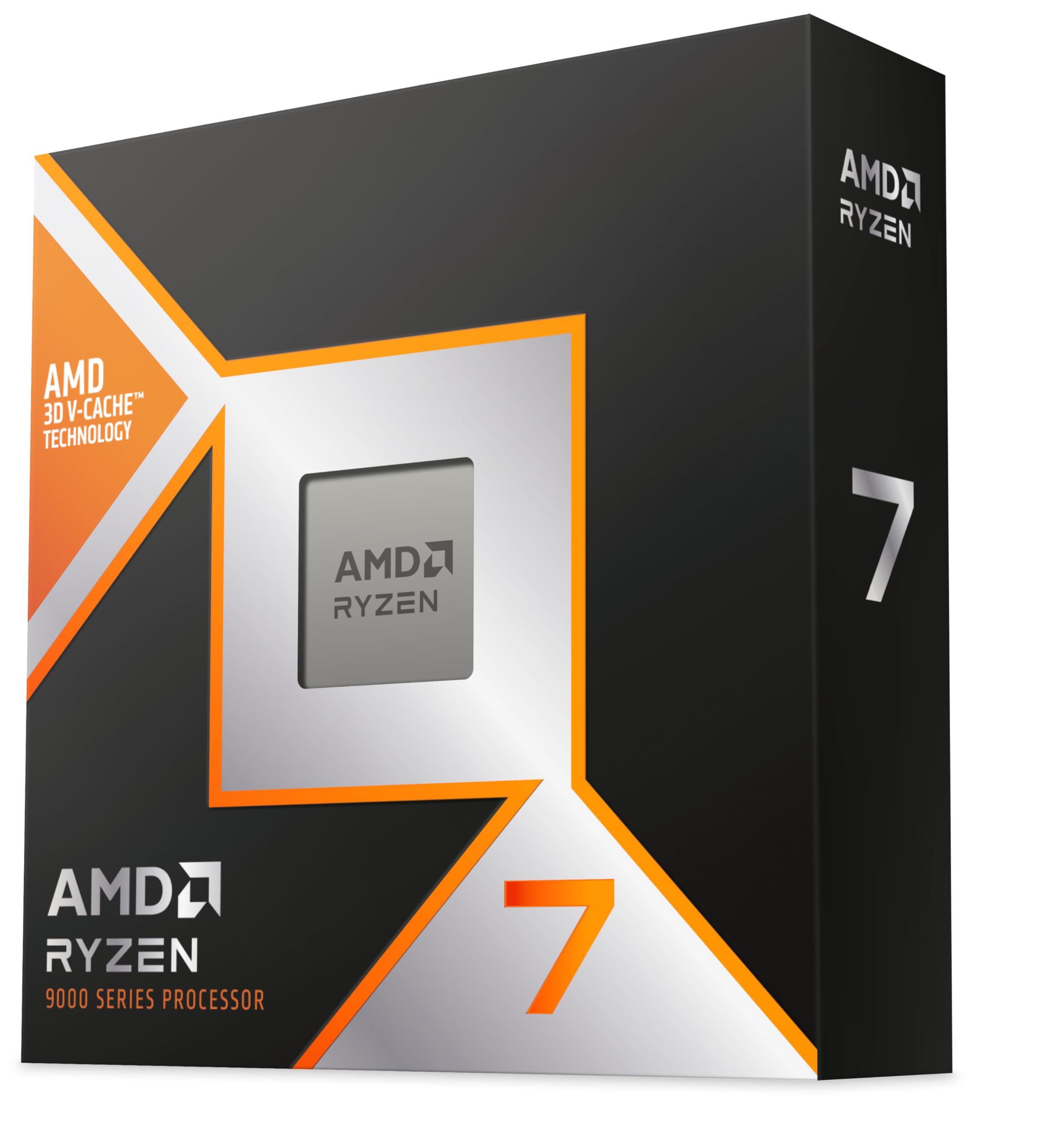
AMD Ryzen 7 9800X3D

96 /100
Lab Score Outstanding

Key details

TDP
140 W
Socket
AM5
L3 Cache
96 MB
Core Count
8/16
View on Amazon

The Ryzen 7 9800X3D’s 3D V-Cache architecture provides a clear frame rate advantage in CPU-bound scenarios, making it the fastest gaming processor available when paired with an RTX 4090. In titles that are sensitive to cache latency, such as simulation and strategy games, the gains over the previous generation and Intel's flagship are measurable and consistent at 1440p and 4K resolution.

Despite its performance focus, the chip runs remarkably cool under gaming loads — typical temperatures stay lower than the Ryzen 7 7800X3D thanks to improved thermal management. Power draw remains around 120W during full gaming load, which is modest for a chip in this performance tier and simplifies cooling choices.

This processor is built for gamers who want the absolute best FPS from their RTX 4090, particularly at higher resolutions where CPU bottlenecks can still appear. Streamers running simultaneous encoding will benefit from the 16 threads for light multitasking. However, if your workload leans heavily toward video rendering, 3D modeling, or other heavily threaded productivity, the 8-core/16-thread design will not match the throughput of Intel's 24-core Core Ultra 9 or AMD's own 16-core alternatives. The premium pricing is justified within the context of a high-end gaming build, but not for a mixed-use workstation.

Pros

  • Exceptional single-thread performance delivers the highest frame rates in demanding titles.
  • 3D V-Cache reduces stutter and improves minimum frame rates in cache-sensitive games.
  • Efficient thermal design keeps temperatures lower than the previous generation under gaming load.
  • Low power draw (approximately 120W full load) reduces heat output and cooling requirements.

Cons

  • Premium pricing places this CPU in the highest tier, requiring a significant budget allocation for the processor itself.
  • Multi-threaded productivity performance lags behind higher-core-count alternatives, limiting its versatility in heavily threaded tasks.
Our verdict

For pure gaming performance with an RTX 4090, the Ryzen 7 9800X3D is the benchmark. If your priority is gaming, this CPU delivers every frame the card can produce.

Check Latest Price
2

Best for Productivity

Intel Ultra 9 285K

90 /100
Lab Score Outstanding

Key details

TDP
125/250 W
Socket
LGA 1851
L3 Cache
40 MB
Core Count
24 (8+16)
View on Amazon

The Ultra 9 285K's 24-core hybrid architecture pushes multi-threaded throughput past any consumer Ryzen in rendering, video encoding, and code compilation. Single-thread boost up to 5.7 GHz keeps everyday tasks responsive, and gaming performance is solid enough to pair with an RTX 4090 at 4K without bottleneck concerns. Where the top pick's 3D V-Cache widens the gap in CPU-bound titles, the 285K narrows it at higher resolutions and pulls ahead in parallel workloads.

This CPU targets professionals: video editors rendering long timelines, engineers running simulations, or developers compiling large codebases. The core count and clock speeds translate directly into shorter export times and smoother multi-tasking. But the thermal demands are real — sustaining all-core turbo requires a 360mm AIO or a high-end air cooler. That extra investment, plus the premium platform cost, makes the 285K less compelling for a purely gaming-focused build.

In games, the 285K delivers 100+ FPS in most titles at 1440p and 4K, keeping the RTX 4090 busy. The difference against AMD's V-Cache chips shows in heavily CPU-limited scenes like competitive shooters at low settings or complex strategy games, where the top pick can hold a 10-15% lead in frame-time consistency. For a mixed-use workstation that also games, the 285K offers a balanced profile — just know where the trade-offs land.

💡 Plan for a 360mm liquid cooler if you intend to run all-core workloads for extended periods.

Pros

  • Exceptional multi-threaded performance for rendering, video editing, and simulation workloads.
  • High single-thread boost up to 5.7 GHz ensures snappy responsiveness in everyday applications.
  • Solid gaming performance that keeps an RTX 4090 fed at 4K in most modern titles.

Cons

  • Requires a high-end liquid cooler (360mm AIO or premium air) to sustain turbo frequencies under sustained all-core loads.
  • Gaming value trails AMD's V-Cache options when prioritizing frame-rate-per-dollar in CPU-bound titles.
Our verdict

For creators who need raw multi-core horsepower for rendering and compilation, this Intel flagship delivers where gaming-first CPUs fall short — just budget for a capable cooler.

Check Latest Price
3

Best Value High-Performance

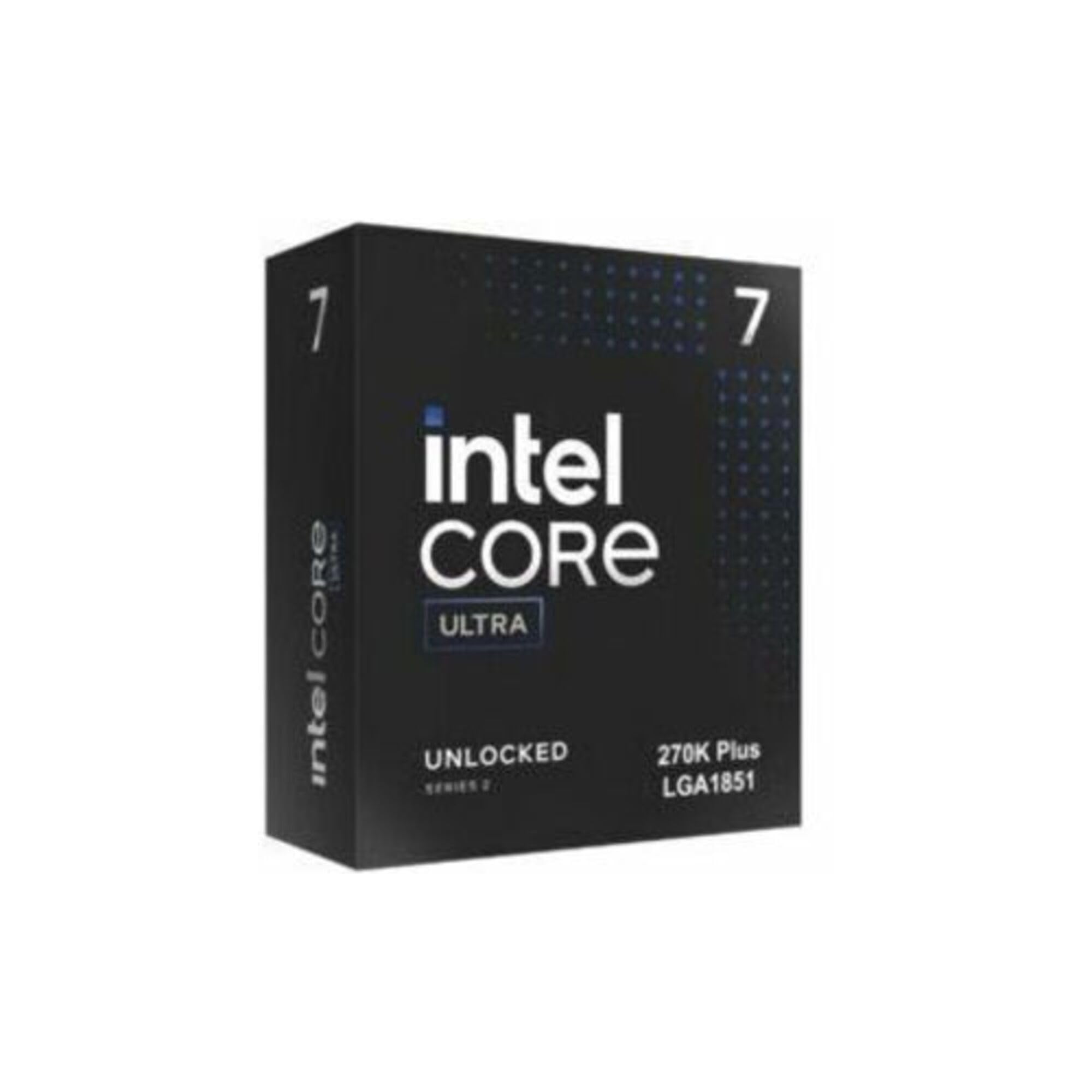
Intel Ultra 7 270K

90 /100
Lab Score Outstanding

Key details

TDP
125/250 W
Socket
LGA 1851
L3 Cache
40 MB
Core Count
24 (8+16)
View on Amazon

The Intel Ultra 7 270K delivers 24 cores (8 P-cores + 16 E-cores) in a hybrid layout that balances gaming responsiveness and multi-threaded workload throughput, making it a strong alternative to the pricier flagship 285K for mixed-use builds.

This CPU suits builders pairing an RTX 4090 who want high frame rates in games while also handling streaming, video encoding, or light rendering — without paying the premium for the top-tier productivity chip. The locked power limits mean aggressive overclocking is off the table, and in CPU-bound titles the single-thread speed sits behind AMD's X3D-class offerings, so pure gaming purists should look to the 9800X3D instead.

Pros

  • Multi-threaded performance handles gaming and productivity tasks without bottlenecking an RTX 4090.
  • One of the best cost-to-performance CPUs available for this performance tier.
  • Hybrid architecture provides efficient power scaling for lighter workloads while keeping high turbo headroom.

Cons

  • Locked power limits restrict extreme overclocking adjustments for tuning enthusiasts.
  • In CPU-bound titles, single-thread speed may lag behind AMD's 3D V-Cache chips, though most games remain GPU-limited with an RTX 4090.
Our verdict

For the gamer who needs extra cores for streaming and light creation work, the 270K delivers a balanced upgrade path at a sensible price — just don't expect it to dethrone the 9800X3D in pure gaming.

Check Latest Price
4

Best Budget Gaming

Ryzen 5 9600X

98 /100
Lab Score Outstanding

Key details

TDP
65 W
Socket
AM5
L3 Cache
38 MB
Core Count
6/12
View on Amazon

The Ryzen 5 9600X offers superb gaming value at a low 65W TDP, making it a budget-friendly pairing for an RTX 4090. While it doesn't match the peak frame rates of the top-tier 9800X3D in CPU-bound titles, it delivers smooth 100+ FPS in popular games at a fraction of the price. Its unlocked multiplier allows easy overclocking for extra performance, though the stock cooling handles the base TDP comfortably.

Gaming performance is strong for the price: consistent 100+ FPS across popular titles at 1440p and 4K. The 65W TDP makes it one of the most power-efficient gaming CPUs, running cool even with the included stock cooler. The AM5 socket provides an upgrade path to future Ryzen processors.

This processor suits budget-conscious gamers building a high-value PC, first-time builders, and anyone prioritizing price-to-performance over absolute max FPS. For a builder on a budget, pairing this CPU with an RTX 4090 yields a balanced 1440p/4K gaming rig without overspending on the processor. However, if streaming simultaneously or playing heavily multithreaded games is a priority, the six-core design may limit performance compared to higher-core alternatives.

Pros

  • Delivers smooth 100+ FPS in popular titles at a budget-friendly price.
  • One of the best value gaming CPUs on the market, offering outstanding price-to-performance.
  • Runs cool and power-efficient even with stock cooling, reducing overall system costs.

Cons

  • In CPU-bound titles or while streaming simultaneously, the six-core design may limit frame rates compared to higher-core processors.
Our verdict

For a high-value RTX 4090 gaming build focused on 1440p/4K gaming without heavy multitasking, this CPU delivers the best balance of cost and performance.

Check Latest Price

How to Choose

Core Count & Threads

More cores help with video editing, rendering, and streaming, but games rarely use more than eight. A 16-core CPU won't boost frame rates in most titles.

If you game while encoding or running background apps, a 12-thread or higher chip avoids stutter. For pure gaming, 8 cores is plenty.

Clock Speed

Higher boost frequencies improve frame rates in lightly threaded games. Intel's Core Ultra chips reach 5.7 GHz, while AMD's 5.4 GHz still delivers competitive performance.

The real-world gain from 100 MHz is often within margin of error, but sustained boost under load depends on cooling – not just the spec sheet.

L3 Cache Size

L3 cache acts as a fast data reservoir for the CPU cores. AMD's 3D V-Cache stacks extra L3 on top, dramatically reducing memory latency in games that repeatedly fetch the same data.

This is why the 9800X3D with 96 MB pulls ahead in CPU-intensive titles like simulation and esports titles. Caches below 40 MB work fine, but you lose those extra frames.

Socket & Platform

AM5 supports DDR5 and PCIe 5.0, offering a future upgrade path to next-gen 3D V-Cache chips. LGA 1851 is Intel's current socket, but its long-term support is uncertain.

AM4 is a dead end – any new build for an RTX 4090 should start on a modern socket to avoid replacing the motherboard next upgrade cycle.

TDP & Cooling

High TDP CPUs like the 285K (250W peak) require robust cooling – a 360mm AIO or high-end air cooler. A stock cooler will throttle performance under sustained load.

Lower TDP chips like the 9600X (65W) can run cool even with the bundled cooler, saving money and noise. Always read the cooler requirements, not just the TDP number.

Frequently Asked Questions