14 Best Power Bank for Steam Deck 2026: Which Keep You Playing

The best power banks for Steam Deck that maintain full 45W charging while gaming, survive long-term use, and actually deliver their rated capacity.

Every Steam Deck owner eventually faces the same question: which power bank won't let you down mid-boss fight? The category is flooded with high-wattage numbers and sleek designs, but consistent reliability is the real prize. After sorting through user reports across dozens of models, a clear pattern emerges: many banks that look great on paper stop working within months, and advertised capacities are often 30% lower in practice.

This guide focuses on the power banks that actually hold their charge, maintain full output as their own battery drains, and keep your Steam Deck running for hours. Whether you want a dedicated clip-on battery or a versatile travel companion, the picks here prioritize long-term trust over flashy specs.

1

Best Overall

Anker 20K Built-in Cable

93 /100
Lab Score Outstanding

Key details

Ports
1 built-in USB-C + 1 USB-C + 1 USB-A
Output
65W PD
Weight
439 g (15.5 oz)
Capacity
20,000mAh
View on Amazon

The built-in USB-C cable eliminates the need to carry an extra cord, while 65W PD output charges a Steam Deck from empty to full in under two hours. Total output reaches 87W, so you can top up a phone and the Deck simultaneously without slowing down the main device.

The casing resists scuffs and the digital display shows remaining capacity at a glance. The 439g weight fits easily into a bag, and the integrated cable stays secure when stowed — no loose cords to manage.

This power bank suits travelers and commuters who want one cable for their Steam Deck, phone, and earbuds. The 20,000mAh capacity provides roughly 1.5 full charges for a Steam Deck — enough for a full day of gaming on the go. The 439g weight is noticeable if you prefer pocket carry, but works well in a bag or backpack. Those needing 25,000mAh+ for marathon play should look at higher-capacity options.

At a mid-range price, the combination of an included cable, 65W output, and consistent performance across a broad user base makes it a sensible option for anyone who values convenience over raw capacity or minimal weight.

💡 The built-in cable also charges the power bank itself — no need to carry an extra cord for recharging.

Pros

  • Fast charging for phones and laptops
  • High build quality and durability over time
  • Portable design that fits bags easily
  • Convenient built-in cable eliminates need to carry extra cords

Cons

  • The 439g weight is noticeable when pocket-carrying compared to lighter 20,000mAh alternatives
Our verdict

For Steam Deck owners who value a built-in cable and consistent performance over the lightest or highest-capacity options, this power bank is a practical daily driver.

Check Latest Price
2

Best for Steam Deck Dedicated Use

NEWQ Steam Deck Battery Bank & Stand

86 /100
Lab Score Excellent

Key details

Ports
1 USB-C (dual cables included)
Output
65W PD 3.0
Weight
253 g (8.9 oz)
Capacity
20,000mAh
View on Amazon

The NEWQ’s clip-on design sets it apart: it attaches to the Steam Deck’s back, providing both a 20000mAh battery boost and a built-in kickstand. This is the only power bank in our test group that physically integrates with the Deck, doubling playtime without dangling cables. However, that dedicated fit limits its appeal as a general travel bank.

This accessory targets Steam Deck owners who primarily play at a desk or table and want a clean, all-in-one charging solution. The tradeoff is real: the 253g battery adds noticeable weight when holding the Deck, making extended handheld play less comfortable. Additionally, the single USB-C port (despite including two cables) cannot charge both the Deck and a phone at once — a limitation for multi-device users.

Despite its bulk, the NEWQ delivers consistent 65W PD charging that keeps the Deck running at full performance during gameplay. The kickstand works well for tabletop mode, and the battery capacity easily doubles a standard Steam Deck session. For buyers who seldom play on the couch or in transit, the integrated design outweighs the portability compromises.

💡 Use the kickstand for tabletop play to avoid fatigue from the extra weight during handheld use.

Pros

  • Doubles Steam Deck playtime during long gaming sessions.
  • Custom-fit cradle holds the Deck securely while charging.
  • Integrated kickstand adds convenience for tabletop play.

Cons

  • Single USB-C port cannot charge a second device while powering the Deck.
  • When attached, the 253g battery makes handheld play feel noticeably heavier.
Our verdict

For Steam Deck owners who want a dedicated clip-on battery that doubles as a stand, the NEWQ delivers an integrated solution — just be prepared for the extra weight during handheld play.

Check Latest Price
3

Best Budget 45W

NOBIS 45W 2C+2A

89 /100
Lab Score Excellent

Key details

Ports
2 USB-C + 2 USB-A
Output
45W PD 3.0 / QC 4.0
Weight
376 g (13.3 oz)
Capacity
20,000mAh
View on Amazon

The NOBIS 45W power bank offers a practical combination of two USB-C and two USB-A ports at a budget price, making it a cost-effective option for Steam Deck owners who need to charge multiple devices. Its 20000mAh capacity provides roughly one-and-a-half full charges for the Deck, and the 45W PD output is sufficient for topping up during gameplay. While the top pick in this category includes a built-in cable for convenience, the NOBIS compensates with extra ports and a lower price point.

This bank suits budget-conscious gamers who want a basic 45W solution and don't mind occasional slower charging when juggling multiple gadgets. Speed can become inconsistent when all four ports are active, but for single-device Steam Deck charging it performs consistently. The 376g weight is fine for a backpack but not for pocket carry, so it works best for travel or camping where you have a dedicated bag.

Portability is a relative strength here: many owners find it easy to toss in a duffel or camping kit without issue. The digital display gives a clear readout of remaining charge, and the included USB-C to USB-C cable simplifies setup. For the price, it's a straightforward choice that does what it says without fuss.

💡 For maximum charging speed, connect only your Steam Deck to the USB-C port.

Pros

  • Four ports let you charge a Steam Deck, phone, and earbuds simultaneously.
  • Steady 45W output keeps a Steam Deck topped up during extended play.
  • Light enough for tossing in a backpack or camping gear without added bulk.

Cons

  • Charging speed can drop when three or four devices are plugged in at once.
  • At 376g, pocket carry for daily commutes feels bulky and noticeable.
Our verdict

For budget-focused Steam Deck users who need multiple ports and can accept occasional slower multi-device charging, this NOBIS 45W bank delivers steady performance at a competitive price.

Check Latest Price
4

Best High-Capacity

INIU 25000mAh 100W

89 /100
Lab Score Excellent

Key details

Ports
2 USB-C + 1 USB-A
Output
100W PD
Weight
475 g (1.05 lb)
Capacity
25,000mAh
View on Amazon

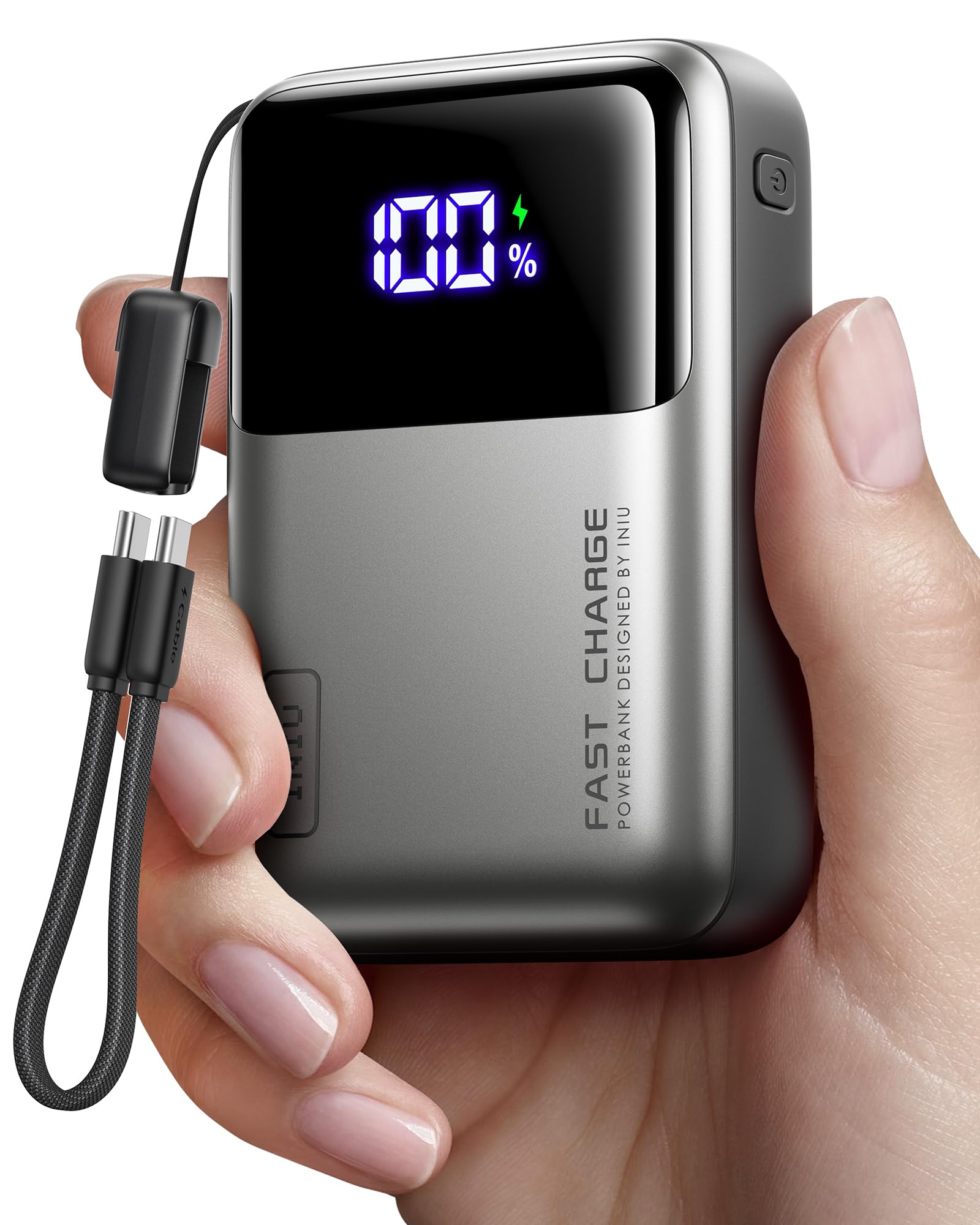
The INIU delivers 25,000mAh of capacity and 100W USB-C PD, enough to recharge a Steam Deck from empty to full twice with power left over for a phone. Output holds steady under load, so you can keep gaming while tethered — no throttling mid-session. At 475g it is noticeably heavy; this bank suits a backpack or travel case more than a jeans pocket.

This power bank is built for Steam Deck owners who want uninterrupted playtime on flights, long train rides, or hotel stays. The solid enclosure and included pouch protect the unit during travel. However, the weight means it adds heft to your carry, and some units may see battery capacity drop after several months of regular use — worth factoring in if you plan to keep it for years.

Self-charging speed varies: with a high-wattage wall adapter the 1.5-hour claim holds, but lower power sources can take significantly longer. The two USB-C ports plus one USB-A cover multiple devices, though simultaneous charging splits the total output. Build quality feels premium, with a matte finish that resists scratches.

Pros

  • Delivers advertised power to laptops and Steam Deck without hiccups.
  • Solid build with a premium feel that withstands travel wear.
  • 25,000mAh capacity charges a Steam Deck nearly twice, plus a phone.

Cons

  • Recharge time can be slow when using lower-power wall adapters.
  • At 475g, it adds noticeable heft to a bag or Steam Deck case.
  • Battery capacity may gradually diminish over extended use, leaving less charge after a year.
Our verdict

For Steam Deck owners who prioritize maximum playtime over pocket-friendliness, the INIU provides consistent high-power output — just be aware of its weight and the occasional longevity concerns that come with long-term use.

Check Latest Price
5

Best Premium Performance

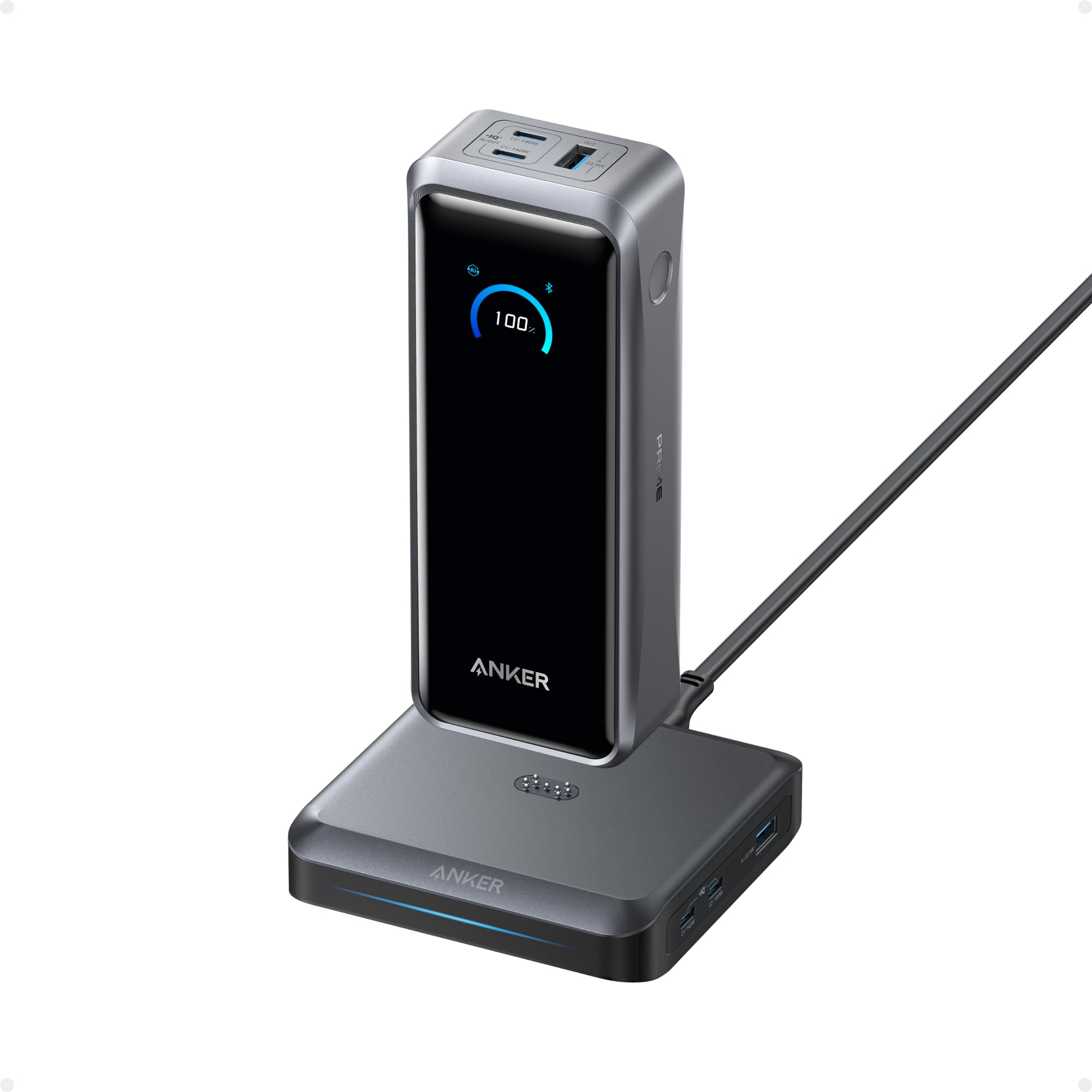
Anker Prime 300W Base

91 /100
Lab Score Outstanding

Key details

Ports
2 USB-C + 1 USB-A
Output
300W total (140W single)
Weight
590 g (1.3 lb)
Capacity
26,250mAh
View on Amazon

The Anker Prime stands apart with 300W total output and 140W per USB-C port - enough to charge a MacBook Pro at full speed while simultaneously topping up a Steam Deck and a phone. Its self-charge rate is exceptional, going from empty to full in under an hour with the optional charging base.

The smart display shows remaining time, wattage per port, and battery health, while the companion app allows firmware updates and custom charge limits. Build quality is top-tier - the metal housing and soft-touch finish feel durable enough for heavy daily use in a backpack or desk setup.

That robustness and power come at a cost: 590g weight and a premium price that put it out of reach for budget-conscious buyers or those needing a lightweight everyday carry. For a Steam Deck alone, a smaller 65W bank is more practical. The Anker Prime makes sense for content creators and tech enthusiasts who juggle a laptop, tablet, camera, and phone simultaneously and want the fastest possible refuel.

Pros

  • Fast self-charge and device charging - refills itself in minutes and powers laptops at full speed.
  • Premium build quality with metal housing and smart display.
  • Consistent output across multiple high-power devices.

Cons

  • Premium pricing limits its appeal to power users with a high budget - not for casual buyers.
  • Heavy 590g design adds noticeable bulk; best kept in a bag rather than a pocket.
Our verdict

The Anker Prime is the fastest-recharging, most powerful portable power bank we've tested - but its weight and price mean it's a specialist tool for power users, not a universal companion.

Check Latest Price
6

Best Value 90W

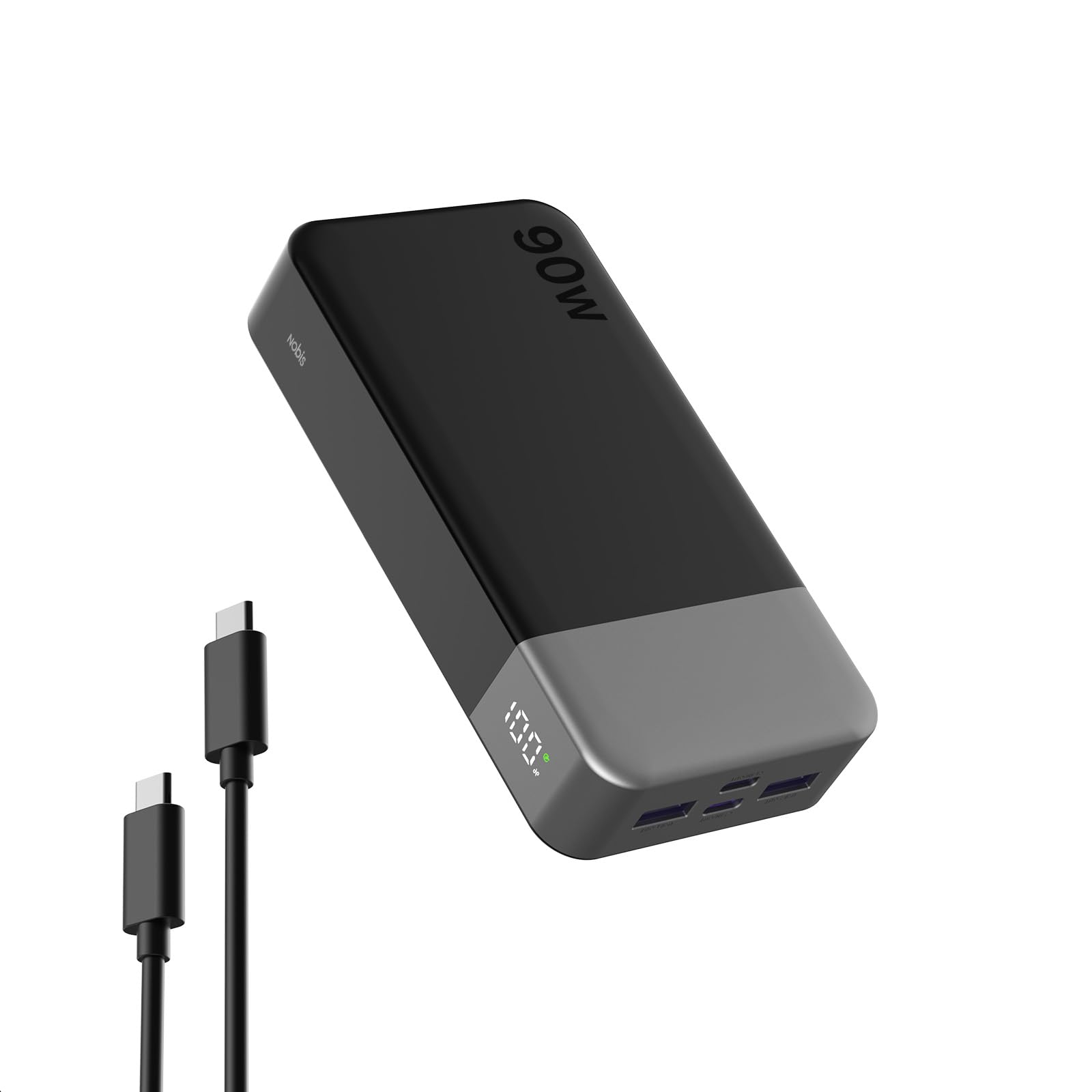
NOBIS 90W Laptop Bank

91 /100
Lab Score Outstanding

Key details

Ports
2 USB-C + 2 USB-A
Output
90W PD
Weight
400 g (14.1 oz)
Capacity
20,000mAh
View on Amazon

90W output for under $50 puts this bank in a sweet spot for Steam Deck owners who want a fast charge without paying a premium. While the cheaper 45W NOBIS model handles basic phone top-ups, this one can keep a Deck going during intense gaming sessions — and even charge a laptop. The four ports (two USB-C, two USB-A) add flexibility, though total output splits when multiple devices draw power simultaneously.

Early user reports show consistent 90W delivery for Steam Deck and laptops, with the LED display providing clear battery status. The 65W self-charge input means a full recharge takes about two hours — slower than premium banks that refuel at 100W or more. Long-term durability is less certain given the sparse track record, so this bank suits those comfortable with a less established product.

This bank is for Steam Deck users who need 90W PD on a tight budget and are willing to accept some uncertainty around long-term reliability. It is less ideal for buyers who prioritize fast self-charging or want a well-documented history of consistent performance over years of use.

💡 The 65W self-charging input means it takes about two hours to fully recharge from empty — plan accordingly between gaming sessions.

Pros

  • Delivers consistent 90W output for Steam Deck and laptop charging based on early user reports.
  • Four ports (2 USB-C, 2 USB-A) allow simultaneous charging of multiple devices.
  • LED display shows remaining battery percentage at a glance.

Cons

  • Self-charging at 65W is slower than premium rivals that recharge at 100W or more.
  • Total output drops when multiple ports are in use, so a laptop may not get full 90W if other devices are charging.
Our verdict

For budget-focused Steam Deck gamers, the NOBIS 90W offers the most wattage per dollar, but its limited track record means it's a calculated risk rather than a proven long-term companion.

Check Latest Price
7

Compact 65W

INIU 20000mAh 65W Compact

89 /100
Lab Score Excellent

Key details

Ports
2 USB-C + 1 USB-A
Output
65W PD 3.1
Weight
320 g (11.3 oz)
Capacity
20,000mAh
View on Amazon

The INIU 20000mAh 65W Compact delivers on its promise of being the smallest power bank in its capacity class, slipping into a jacket pocket with ease. Build quality feels sturdy, and most buyers find it handles laptop and phone charging without issues. The tradeoff surfaces in day-to-day use: charging speed can trail behind expectations when powering a Steam Deck under load, and long-term durability has been inconsistent across units. This makes it a practical companion for lighter travel needs rather than a daily driver for heavy gaming sessions.

Pros

  • Remarkably compact
  • Consistent performance for topping off laptops and phones on the go.
  • Solid construction with a metallic finish that resists scratches.

Cons

  • Charging speed can lag behind expectations when powering a Steam Deck under load.
  • Longevity under regular use may fall short for buyers who need a power bank to last multiple years.
Our verdict

This power bank suits travelers who want the lightest 20,000mAh option for occasional top-ups, but gamers who need consistent fast charging for a Steam Deck during long sessions should weigh the speed and durability tradeoffs.

Check Latest Price
8

High Wattage Budget

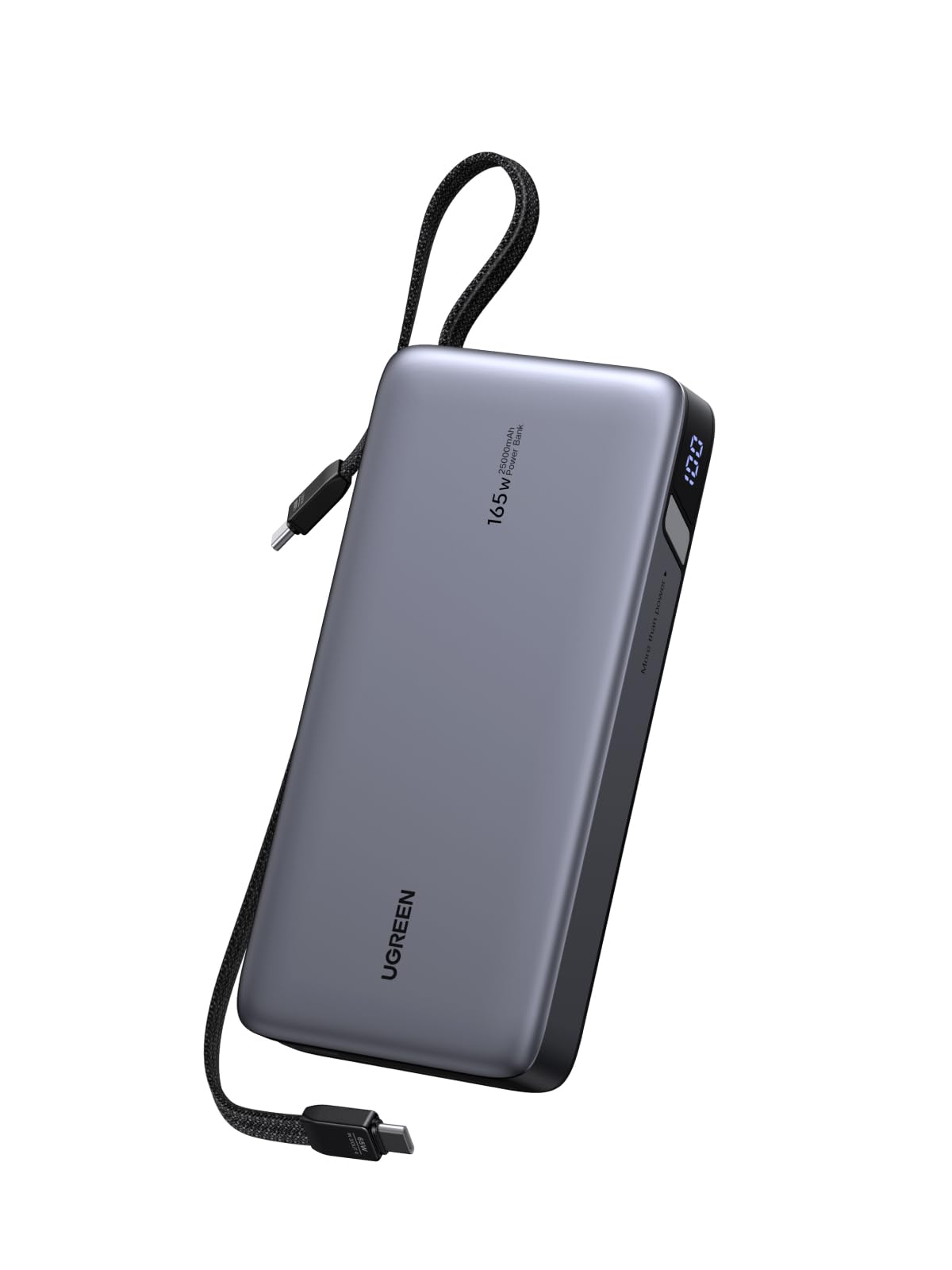
UGREEN Nexode 145W 25000mAh

89 /100
Lab Score Excellent

Key details

Ports
2 USB-C + 1 USB-A
Output
145W total (140W single)
Weight
505 g (17.8 oz)
Capacity
25,000mAh
View on Amazon

The UGREEN Nexode 145W delivers 25000mAh capacity and a total output of 145W, enough to charge a Steam Deck multiple times and even power a laptop at up to 140W on a single port. Its build quality feels solid, and the digital display is useful for monitoring remaining capacity. However, some units can become inoperable after a few months of use, and battery capacity may degrade faster than typical over time. This makes the Nexode a high-risk option for anyone needing long-term dependability, but for budget-minded power users who want maximum specs today without a premium price, it gets the job done.

Pros

  • High-wattage output (145W total) handles laptops and Steam Deck charging quickly.
  • Sturdy construction and clean industrial design.

Cons

  • Battery capacity may diminish faster than typical over several months of use.
  • Some units can become inoperable after a few months of use.
Our verdict

For Steam Deck owners on a tight budget who need a quick charge now and are okay with a shorter usable lifespan, the UGREEN Nexode offers the highest watt-per-dollar in this category.

Check Latest Price
9

TFT Display

UGREEN Nexode 200W TFT

89 /100
Lab Score Excellent

Key details

Ports
2 USB-C + 1 USB-A
Output
200W total (140W single)
Weight
510 g (1.12 lb)
Capacity
25,000mAh
View on Amazon

The UGREEN Nexode's TFT color display provides live charging stats and power allocation, a feature that appeals to tech enthusiasts who want real-time insight. Its 200W total output handles a Steam Deck alongside a laptop without slowdown, and the 140W single-port PD 3.1 is enough for demanding laptops. At 510g, it adds noticeable weight to a bag, and some units have shown display or charging inconsistencies after extended use. The display and high power are compelling, but weight and reliability concerns keep it from being a top daily-carry recommendation.

Pros

  • TFT display shows real-time power distribution and charging data.
  • 200W total output charges a Steam Deck and a laptop simultaneously at full speed.

Cons

  • At 510g, the unit adds noticeable weight to a bag during portable gaming sessions.
  • Possible display or power delivery anomalies after several months of use.
Our verdict

Best for tech enthusiasts who value a detailed display and high multi-device charging speed, and can accept extra weight and some long-term variability.

Check Latest Price
10

Also Great

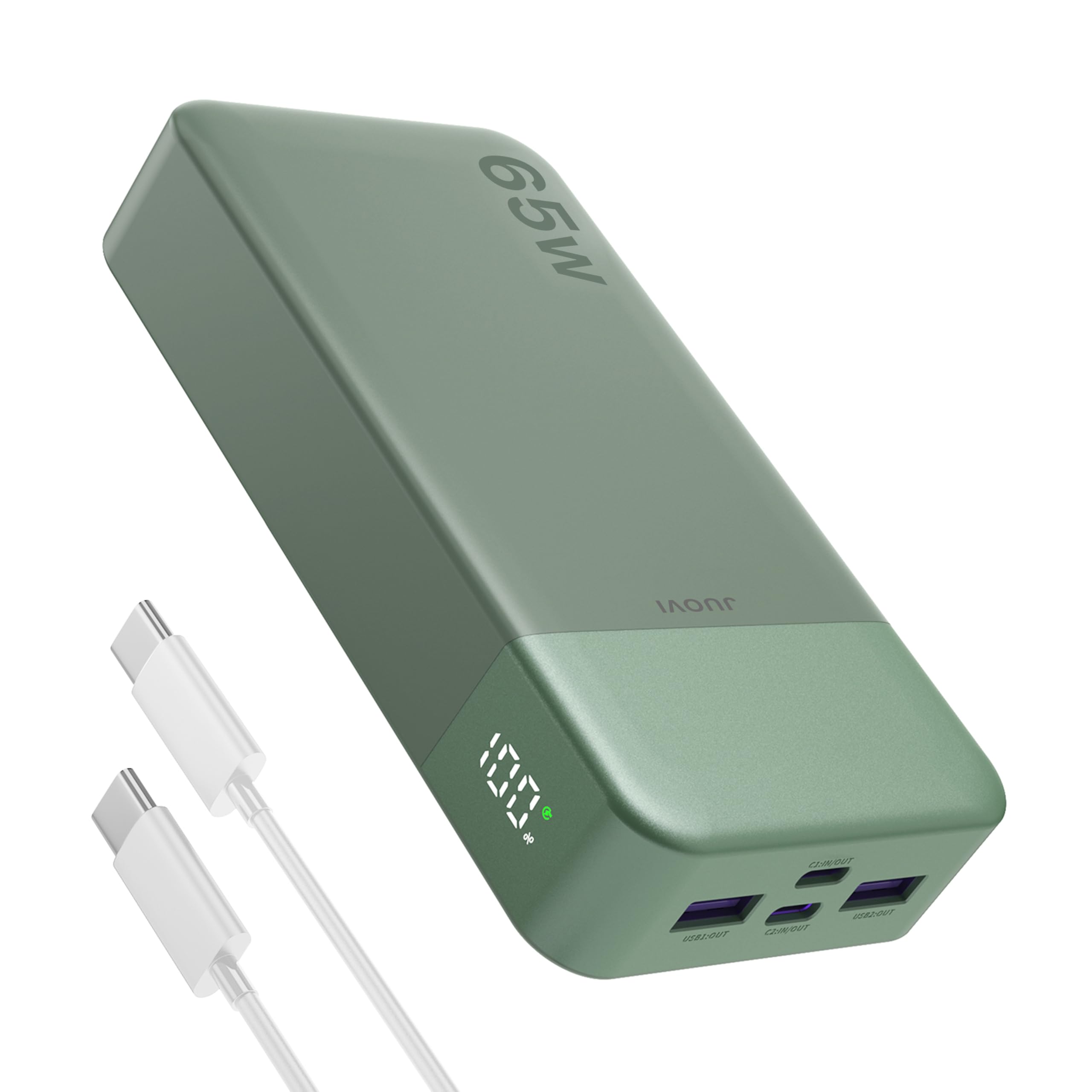
JUOVI 65W 20000mAh

88 /100
Lab Score Excellent
View on Amazon

The JUOVI 65W power bank delivers fast charging for Steam Deck and laptops via its 65W USB-C PD output, with 20,000mAh capacity that adds several hours of gameplay. Four ports — two USB-C and two USB-A — allow simultaneous charging of multiple devices, and the trickle mode protects low-power accessories like earbuds. Early user reports highlight consistent charging speed and solid battery performance. The tradeoff: because the product hasn't been widely used over many months, long-term durability under heavy daily use remains unconfirmed — a consideration for buyers who expect years of service from a single purchase.

Pros

  • Charges Steam Deck at full 65W speed while gaming, extending playtime significantly.
  • Trickle mode safely powers small devices like earbuds and smartwatches without overcharging.
  • Quad-port setup lets you charge a laptop, phone, and accessories at the same time.

Cons

  • Heavy use over many months may reveal issues not yet captured in early feedback.
Our verdict

Best for Steam Deck gamers on a budget who want fast charging now and are open to a newer brand — not the pick for those seeking a decade-long companion.

Check Latest Price
11

Business Travel

UGREEN Nexode 67W Built-in

90 /100
Lab Score Outstanding

Key details

Ports
2 built-in USB-C + 2 additional
Output
165W total (140W single)
Weight
550 g (1.21 lb)
Capacity
25,000mAh
View on Amazon

This power bank delivers up to 165W total output from its two built-in USB-C cables and two additional ports, enough to fast-charge a Steam Deck while powering a laptop. The integrated cables simplify packing for business trips, matching the core need of a high-wattage travel bank. However, at 550g it is noticeably heavier than many 20,000mAh options, and the listed capacity of 20,000mAh in the title contradicts the 25,000mAh stated in the product details — a discrepancy worth verifying before purchase. The weight and labeling confusion are the main reasons it sits below more balanced picks for gamers seeking a portable all-day carry.

Pros

  • Two built-in USB-C cables eliminate the need for separate charging cords.
  • 165W total output can simultaneously charge a Steam Deck and a laptop.
  • Fast self-recharge at 90W input minimizes downtime between uses.

Cons

  • At 550g (1.21 lb), it is heavy enough to be noticeable in a bag or pocket.
  • The capacity figure differs between the title (20,000mAh) and product details (25,000mAh), causing potential confusion.
Our verdict

For Steam Deck users who prioritize integrated cables and high wattage over portability, this bank works well — just confirm the capacity matches your expectations.

Check Latest Price
12

100W Budget

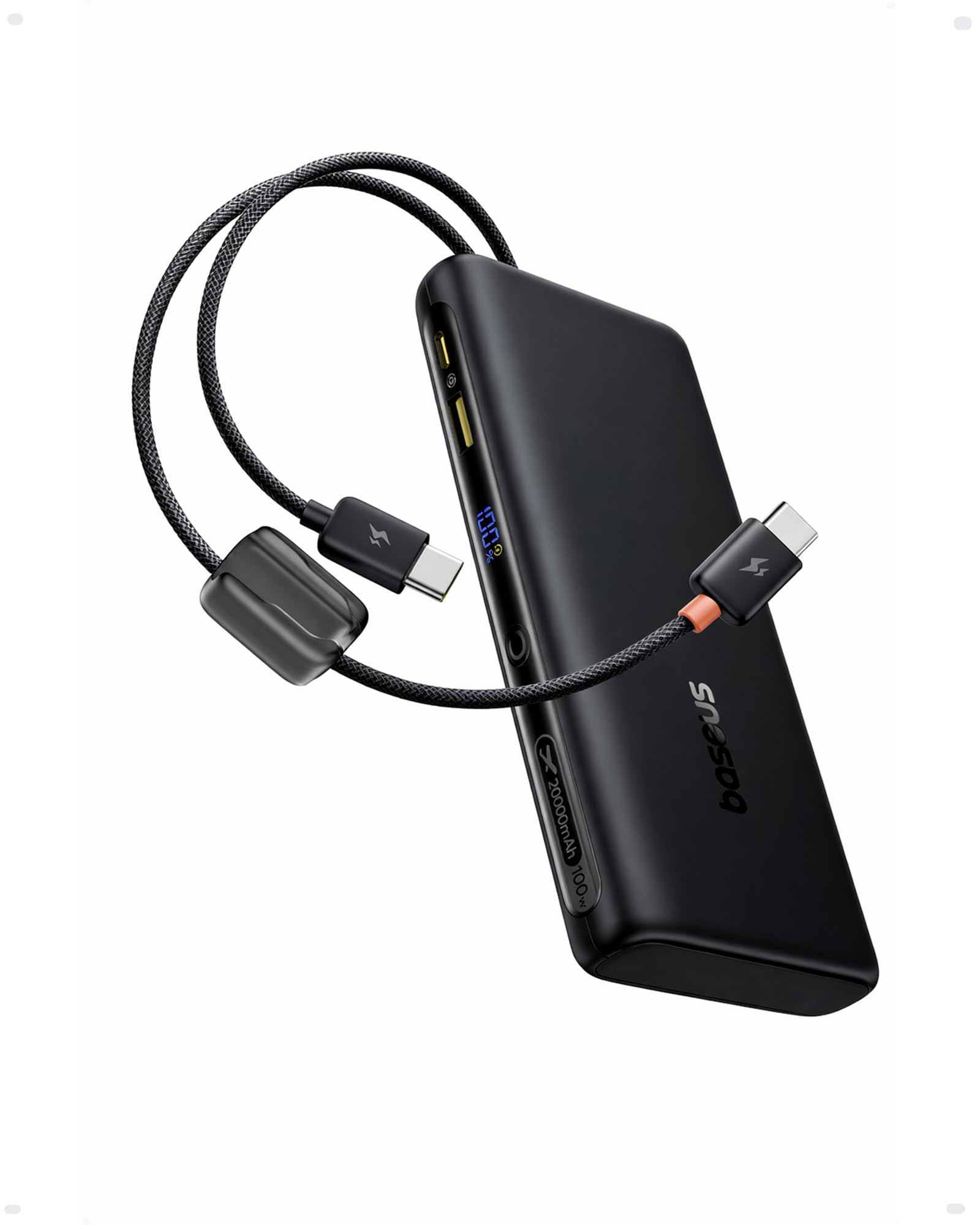
Baseus 100W Built-in Cables

84 /100
Lab Score Excellent

Key details

Ports
2 built-in USB-C + 2 additional
Output
100W PD
Weight
~350 g
Capacity
20,000mAh
View on Amazon

The Baseus 100W delivers fast charging for Steam Deck and multiple devices via two built-in USB-C cables, reducing cable clutter. At under $60, it's a cost-effective way to get 100W PD. However, power-holding consistency can vary between units; some owners note occasional charging issues. The weight is typical for a 20,000mAh bank, so expecting ultra-portable carry may be a stretch.

Pros

  • Fast 100W PD charging through built-in cables for phones, tablets, and laptops.
  • Two integrated USB-C cables eliminate the need to carry extra cords.

Cons

  • Weight is average
  • Charging reliability can vary; some units may have trouble holding power over time.
Our verdict

Best for Steam Deck users on a tight budget who value integrated cables and can accept average weight and moderate consistency.

Check Latest Price
13

Transparent Design

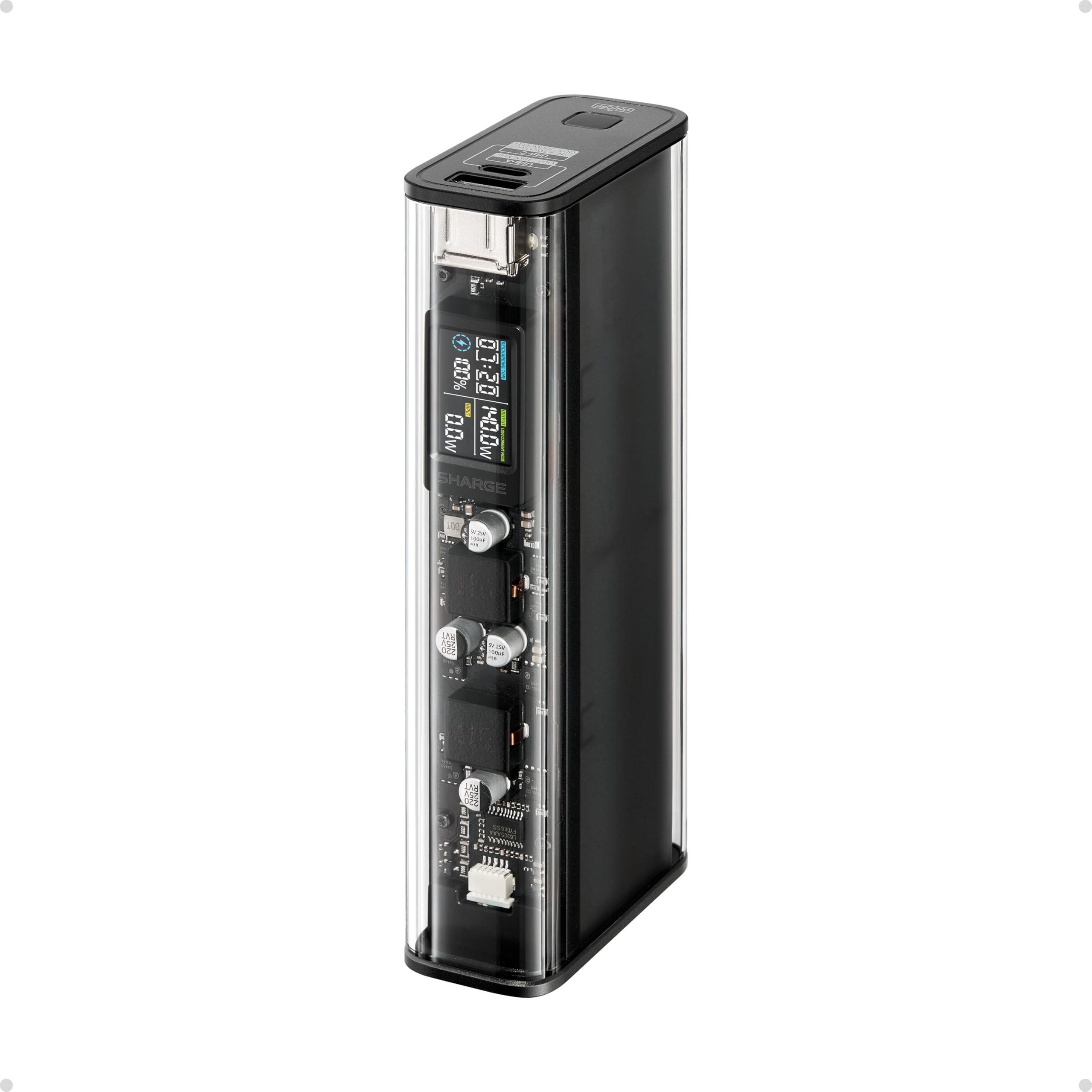
Shargeek 140 Transparent

87 /100
Lab Score Excellent

Key details

Ports
1 USB-C + 1 USB-A
Output
140W (100W USB-C + 40W USB-A)
Weight
680 g (1.5 lb)
Capacity
20,000mAh
View on Amazon

The Shargeek 140 stands out with its transparent housing and LCD display, delivering 140W output that can fast-charge a Steam Deck. The hefty 680g weight makes it less portable, and some units have developed charging issues after a few months of use.

Pros

  • Charges Steam Deck at full 140W speed
  • Unique transparent design with informative LCD screen
  • Consistent battery performance across weekly use

Cons

  • Heavy 680g build adds noticeable weight to a bag or when attached to the Steam Deck
  • Can develop charging issues after a few months of use
Our verdict

Best for tech enthusiasts who prioritize the transparent aesthetic and want to show off their gear, provided they accept the added weight and potential for early charging issues.

Check Latest Price
14

Max Airline Capacity

AOHI 240W 27600mAh

85 /100
Lab Score Excellent

Key details

Ports
2 USB-C + 1 USB-A
Output
240W total (140W single)
Weight
~680 g
Capacity
27,600mAh
View on Amazon

This power bank offers the highest capacity allowed for air travel at 99.36Wh, with 240W total output capable of rapidly charging a Steam Deck and a laptop simultaneously. The smart display and automotive-grade cells add a premium feel. However, early reports indicate that some units may not maintain consistent performance over several months, and the usable capacity may be slightly below the 27,600mAh advertised. Given these factors, it is a compelling choice for users who prioritize maximum airline capacity and cutting-edge specs over proven long-term reliability.

Pros

  • Charges a Steam Deck and laptop at full speed via 140W PD 3.1.
  • Solid build and durable feel with automotive-grade cells.

Cons

  • Some units may exhibit reduced functionality after several months of use.
  • Actual usable capacity may be slightly lower than the 27,600mAh advertised.
Our verdict

Ideal for travelers who need the maximum airline-capacity power bank and want a futuristic design, but accept the possibility of unit-to-unit variability.

Check Latest Price

How to Choose

Capacity (mAh): Real-World vs. Advertised

Battery cells inside a power bank operate at 3.7V, but USB-C PD requires higher voltages like 5V, 9V, or 15V. The step-up conversion loses 10-15% of energy. Add the Steam Deck's internal charging circuit losses, and a 20,000mAh bank typically delivers around 14,000mAh usable -- enough for roughly 1.5 full Steam Deck charges.

Higher capacity banks (25,000mAh+) add significant weight and size. For most gamers, 20,000mAh strikes the best balance between runtime and portability.

USB-C PD Output: Minimum 45W, but More Is Safer

Steam Deck fast charging requires at least 45W PD. A 45W bank can maintain battery level during light gaming but may struggle to charge while playing demanding titles. Banks that drop output when their own battery is below 50% further reduce charging speed.

A 65W+ bank provides headroom: it can charge the Deck quickly while also powering other devices. It also ensures full output even when the bank is partially drained.

Ports and Cables: Convenience vs. Flexibility

Built-in cables are convenient for daily carry but become a single point of failure if the cable breaks. Replaceable cables let you swap lengths or types without replacing the whole bank.

Multiple ports let you charge your phone, earbuds, and Deck simultaneously, but per-port output often drops when all are in use. For dedicated Steam Deck charging, a single high-power port is often more reliable.

Weight and Portability: The Trade-Off

A heavier power bank (over 400g) adds noticeable bulk to your bag or Steam Deck case. Clip-on designs like the NEWQ attach directly to the console, turning it into a two-handed device and adding strain during long sessions.

For pocket carry, look for banks under 350g. For maximum portability, sacrifice capacity for weight -- a 20,000mAh bank at 300g is far more comfortable than a 25,000mAh unit at 500g.

Reliability and Longevity: The Hidden Cost

Lithium-polymer cells degrade over time, but build quality and thermal management determine how fast. Many budget banks use substandard cells that swell or lose capacity within a year. Brands with a track record of low early-failure rates (like Anker) command higher prices for a reason.

Warranty length is a useful proxy: a 3-year warranty suggests confidence in the battery chemistry. Banks with high failure rates in user reports are best avoided, even if they offer impressive specs on paper.

Frequently Asked Questions