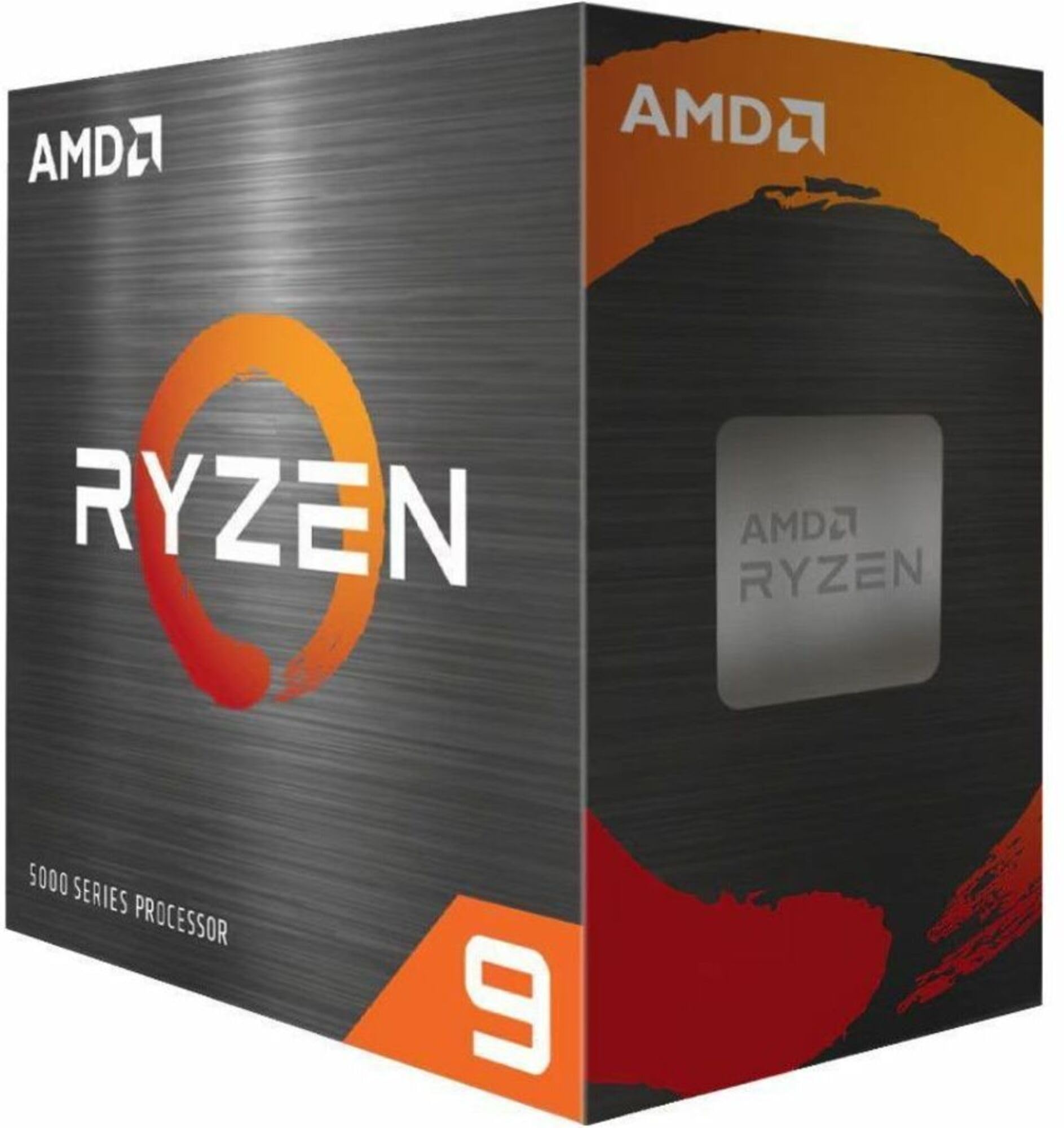
11 Best Ryzen 9 Gaming CPU of 2026: Get the Right Performance Without Overpaying

Find the Ryzen 9 gaming CPU that matches your workload and cooling tolerance – from efficient 65W chips to cache-packed X3D models.

Every Ryzen 9 generation pushes gaming performance higher, but the heat they throw off climbs right alongside the frame rates. A 170W TDP chip doesn't just need a cooler – it demands a serious one that often costs as much as a mid-range GPU. Many buyers discover only after installation that their CPU runs at 95°C under load, robbing them of boost clocks and quiet operation.

The real choice isn't between AMD's flagship and runner-up – it's between a chip that runs cool enough for your case and one that needs a liquid loop to stretch its legs. Models with 3D V-Cache can deliver 10-15% more frames in CPU-bound titles, but they also carry a premium that might not pay off if your games are GPU-limited. This guide breaks down the trade-offs so you pick the core count, cache size, and cooling demands that fit your build and budget.

1

Best Overall

Ryzen 9 9900X

95 /100
Lab Score Outstanding

Key details

TDP
120 W
Cache
76 MB
Cores
12
Socket
AM5
View on Amazon

The Ryzen 9 9900X delivers 100+ FPS in popular games with a 120W TDP, making it the most balanced Zen 5 option for gaming. Its 12 cores and 24 threads handle multitasking without hesitation, keeping frame rates stable even while streaming or running background apps.

Under sustained heavy loads, temperatures can climb — users have reported thermal throttling with inadequate cooling. However, with a quality aftermarket air or liquid cooler, the chip runs cooler than previous Ryzen 9 generations, staying well within safe limits during extended gaming sessions.

This CPU is for gamers upgrading from older AM4 platforms who want high frame rates without the X3D premium, and for content creators on a budget. It can run warm under sustained load, so a good aftermarket cooler is recommended. It's not for those needing 16 cores or extreme overclocking.

At a mid-range price, the 9900X undercuts the 7900X3D by nearly half while sharing the same Zen 5 core architecture and 12-core count. That price-to-performance ratio is unmatched in the current Ryzen 9 lineup, making it the sensible choice for most buyers who don't chase the last few percent of gaming performance.

Pros

  • Delivers smooth 100+ FPS in demanding games and handles multitasking without stutter.
  • Priced well below competing 12-core chips, offering top-tier value for its performance tier.
  • Runs cooler than previous Ryzen 9 chips under typical gaming loads, reducing cooling costs.

Cons

  • Can throttle under sustained heavy loads if paired with an insufficient cooler
Our verdict

For gamers who want excellent performance without overspending, the 9900X is the sweet spot — pair it with a good cooler and it will handle anything you throw at it.

Check Latest Price
2

Best for Pure Gaming

Ryzen 9 7900X3D

94 /100
Lab Score Outstanding

Key details

TDP
105 W
Cache
140 MB
Cores
12
Socket
AM5
View on Amazon

The 7900X3D’s 140MB 3D V-Cache provides a 5-15% frame rate advantage over the standard 9900X in CPU-bound games, especially in simulation and strategy titles that scale with cache size. For those who chase the last few frames, this is the stronger Zen 4 Ryzen 9.

Outside of gaming, the 12 cores handle streaming, rendering, and background tasks with no perceptible impact on responsiveness. Desktop navigation feels immediate, and multitasking stays fluid even under heavy loads.

This processor targets gamers who also do creative work and are ready to invest in proper cooling. Liquid cooling is strongly recommended a quality 240mm AIO is the minimum, with larger radiators providing thermal headroom for extended sessions. The 9900X offers better value for pure gaming on a tighter budget, but when maximum frame rates are the goal, the 7900X3D justifies its premium.

💡 Install a quality 360mm AIO or larger to keep temperatures under control during extended gaming sessions.

Pros

  • 3D V-Cache delivers higher frame rates in CPU-bound titles.
  • Instant responsiveness across all tasks, from gaming to desktop multitasking.
  • 12 cores handle streaming and rendering alongside gaming without compromise.

Cons

  • Sustained gaming loads push temperatures high enough to require high-end liquid cooling, adding system cost.
Our verdict

For gamers who demand the highest frame rates and are prepared to invest in proper cooling, the 7900X3D delivers a real performance advantage over the top pick — just budget for a liquid cooler.

Check Latest Price
3

Best Budget Ryzen 9

Ryzen 9 7900X

95 /100
Lab Score Outstanding

Key details

TDP
170 W
Cache
76 MB
Cores
12
Socket
AM5
View on Amazon

The Ryzen 9 7900X delivers 12-core Zen 4 performance at the lowest price in the lineup, making it a strong pick for gamers who want Ryzen 9 capabilities without the premium. In CPU-bound titles like Cyberpunk 2077 and Assassin's Creed, it maintains smooth frame rates without bottlenecking high-end GPUs. Core clocks scale instantly, reducing stutter in city hubs during heavy multitasking.

This processor suits budget-conscious gamers and content creators who prioritize core count and clock speed and are willing to pair it with a high-quality aftermarket cooler. It is unlocked for overclocking, which can squeeze extra performance at the cost of even higher thermal output. The AM5 platform ensures a future upgrade path, but the 170W TDP means the cooling investment is a necessary part of the total system cost.

The 7900X provides strong value for mixed use, handling both gaming and productivity tasks efficiently. At a price that undercuts many 8-core competitors, it offers 12 cores and 24 threads for those who need the extra muscle without moving to a premium tier.

💡 A quality tower air cooler or 240mm AIO is recommended to keep temperatures under control during extended gaming sessions.

Pros

  • Top-tier gaming and multitasking performance at a budget-friendly price.
  • Fast and responsive in city hubs and multitasking scenarios with instant core clock scaling.
  • Exceptional value for a 12-core Zen 4 processor undercutting many eight-core alternatives.

Cons

  • Runs hot under load; high-end cooling is a must.
Our verdict

The 7900X offers strong 12-core performance at a budget-friendly price, but the necessary cooler investment brings the total cost closer to mid-range alternatives.

Check Latest Price
4

Best for Creators

Ryzen 9 9950X

94 /100
Lab Score Outstanding

Key details

TDP
170 W
Cache
80 MB
Cores
16
Socket
AM5
View on Amazon

The Ryzen 9 9950X pushes clock speeds to 5.7 GHz across 16 cores, delivering rendering and streaming performance that few workstations can match. While the 9900X offers a more cost-effective gaming experience, this chip is built for users who need both heavy multithreading and strong single-core speeds.

This processor suits high-end gamers who also edit video, stream, or render 3D scenes — professionals who need every core for production work. The 170W TDP requires a premium liquid cooler, adding to the overall system cost, but the performance payoff is substantial for those workloads.

💡 A 360mm AIO or custom loop is recommended to sustain boost clocks under full load.

Pros

  • Blazing single-core and multi-core speed for every workload
  • Handles demanding games and creative applications without slowdown
  • 16 cores and 32 threads provide ample headroom for multitasking and streaming

Cons

  • Requires a high-end liquid cooler to manage temperatures under sustained load
Our verdict

The 9950X is the right choice for creators who game, not for pure gaming builds where the 9900X or X3D chips offer better value.

Check Latest Price
5

Most Efficient

Ryzen 9 7900

92 /100
Lab Score Outstanding

Key details

TDP
65 W
Cache
76 MB
Cores
12
Socket
AM5
View on Amazon

The 7900 trades the top-end boost speed of the 7900X for a 65W TDP that makes it the most thermally manageable Ryzen 9. While the 7900X hits higher clocks out of the box, the 7900 runs cooler and quieter without needing a third-party cooler — the included Wraith Prism is enough for daily use.

This processor suits gamers building a quiet, energy-efficient system. The 5.4 GHz boost clock means it won't match the 7900X in CPU-bound titles at low resolutions, but at 1440p and 4K the difference narrows to a few frames. For most gaming scenarios, the 12 Zen 4 cores and 76 MB cache deliver smooth performance without the heat.

In benchmarks, the 7900 sustains scores around 12,500 while staying cool enough that the stock cooler is sufficient for everyday workloads. This makes it a hassle-free choice for mid-tower builds where low noise and power draw matter more than every last frame.

Pros

  • Ryzen 9 performance at 65W TDP keeps power bills and heat output low
  • Included Wraith Prism cooler handles daily use without extra expense or noise
  • Great efficiency per dollar

Cons

No notable drawbacks to flag.

Our verdict

If you value quiet operation and low power consumption over the last few percent of game performance, the 7900 delivers Ryzen 9 capability without the thermal fuss.

Check Latest Price
6

Best AM4 Upgrade

Ryzen 9 5900X

96 /100
Lab Score Outstanding

Key details

TDP
105 W
Cache
70 MB
Cores
12
Socket
AM4
View on Amazon

The Ryzen 9 5900X brings 12 cores and 24 threads to the AM4 platform, delivering gaming and multitasking performance that still holds its own against newer chips. Unlike modern alternatives that require a platform swap, this processor lets existing AM4 users upgrade without replacing their motherboard.

This chip fits gamers and creators who want high core counts without moving to AM5. The tradeoff: it runs warm under load, so a capable aftermarket cooler is necessary. Also, occasional system instability has been noted, which careful BIOS tuning and motherboard compatibility can mitigate.

Overclocking headroom is solid, and the CPU handles demanding titles smoothly while leaving room for background tasks. Performance tuning is accessible, making it a predictable choice for those who know the cooling and stability boundaries.

💡 A high-end air cooler or a 240mm liquid cooler helps this chip sustain its peak performance during long gaming sessions.

Pros

  • Strong gaming and multitasking performance with broad user satisfaction
  • Still offers good price-to-performance years after its launch
  • Delivers smooth gaming with headroom for overclocking

Cons

  • In a compact case or with insufficient cooling, temperatures can climb rapidly and limit boost speeds
  • Occasional crashes or BSODs have been reported, which may require BIOS or voltage adjustments
Our verdict

For AM4 users who pair this chip with a solid cooler, the 5900X remains a capable upgrade that balances gaming and multitasking without a costly platform move.

Check Latest Price
7

16-Core on Budget

Ryzen 9 5900XT

93 /100
Lab Score Outstanding

Key details

TDP
105 W
Cache
72 MB
Cores
16
Socket
AM4
View on Amazon

The 5900XT packs 16 Zen 3 cores and 32 threads into the AM4 socket at a price that undercuts most modern chips. For multi-threaded tasks like video encoding or compilation, this is a strong performer. But older architecture and lower single-clock speed mean it trails newer Ryzens in gaming, and the chip runs hot under sustained load — some builds see 91°C, so a beefy cooler is mandatory. It’s a sensible pick for AM4 users upgrading on a budget, not for gamers chasing peak frame rates.

Pros

  • Strong performance for the price in multi-threaded workloads
  • Fast multitasking and productivity with 16 cores
  • Good value: most cores per dollar in the AM4 lineup

Cons

  • Single-core speed falls behind newer chips, limiting high-FPS gaming potential
  • Runs very hot under load; requires a beefy cooler
Our verdict

Best for AM4 users who prioritize core count over single-core speed and are prepared to invest in cooling — a cost-effective upgrade for budget multi-threaded workloads.

Check Latest Price
8

Gamers & Creators

Ryzen 9 9900X3D

91 /100
Lab Score Outstanding

Key details

TDP
120 W
Cache
140 MB
Cores
12
Socket
AM5
View on Amazon

The Ryzen 9 9900X3D brings 3D V-Cache to a 12-core package, giving games a tangible frame-rate lift in CPU-bound scenarios while keeping multi-threaded muscle for streaming or editing. However, the premium over the standard 9900X is steep, and pure gaming performance trails the 8-core 7900X3D for roughly the same money. It occupies a narrow spot: gamers who want both cache gains and more cores than the 7900X3D, but can accept a higher price and a smaller user base to validate long-term behavior.

Pros

  • 3D V-Cache lifts frame rates in CPU-bound games without sacrificing multi-core performance.
  • 12 cores handle streaming, recording, or light rendering alongside gaming without lag.
  • 140MB total cache reduces load times and improves responsiveness in large simulations.

Cons

  • Premium price over the 9900X
  • For pure gaming, the 7900X3D delivers slightly higher frame rates at a comparable price.
Our verdict

A good fit for gamers who edit or stream and want the cache advantage without jumping to 16 cores, provided the price premium doesn't strain the budget.

Check Latest Price
9

16-Core Multitasker

Ryzen 9 7950X

93 /100
Lab Score Outstanding

Key details

TDP
170 W
Cache
80 MB
Cores
16
Socket
AM5
View on Amazon

This chip handles gaming and heavy workloads with ease, offering a high core count for less than the newer 9950X. The price gap makes it appealing for users who prioritize value over the latest architecture. However, the 9950X pulls ahead with higher clocks and better efficiency, so gamers chasing maximum frame rates should look to that chip. Thermal demands are notable — a high-end liquid cooler is required to keep it stable under load, and occasional stability hiccups have been reported in certain setups.

Pros

  • 16 cores and 32 threads at a discount compared to newer flagships
  • Strong gaming and productivity performance out of the box
  • Fast single-core and multi-core speeds for snappy response and shorter render times

Cons

  • In a compact case with limited airflow, this CPU will require a high-end liquid cooler to avoid throttling
  • Some configurations may encounter stability issues that need BIOS or memory tuning to resolve
Our verdict

Best suited for builders who want a high core count without paying flagship prices, as long as they have the cooling and patience for occasional tweaking.

Check Latest Price
10

Budget Content Creators

Ryzen 9 3950X

95 /100
Lab Score Outstanding

Key details

TDP
105 W
Cache
72 MB
Cores
16
Socket
AM4
View on Amazon

Sixteen cores on the AM4 platform at a budget price make the 3950X a compelling option for multi-threaded workloads like video editing and 3D rendering. Its single-core performance, however, lags behind newer Ryzen 9 processors, which means gamers targeting high frame rates will find better options in the 5900X or 5900XT. The CPU runs hot under sustained load, requiring a capable liquid cooler to avoid thermal throttling. PCIe 4.0 support is limited, so users with the latest GPUs may not see full bandwidth benefits.

💡 Pair this CPU with a 280mm or larger AIO liquid cooler to keep temperatures manageable under load.

Pros

  • 16 cores handle heavy multitasking and content creation without breaking a sweat.
  • Strong multi-threaded value at a budget price point for AM4 builds.
  • Gaming performance is still respectable for its generation, handling most titles smoothly.

Cons

  • Demands robust cooling; temperatures can climb even with high-end liquid coolers during sustained loads.
  • PCIe 4.0 support is partial, limiting bandwidth for the fastest current GPUs when using compatible boards.
Our verdict

Ideal for budget-focused AM4 builders who need high core counts for rendering or virtualization, as long as they accept slower single-core speeds and invest in a strong cooler.

Check Latest Price
11

Budget AM4 Builder

Ryzen 9 3900X

96 /100
Lab Score Outstanding

Key details

TDP
105 W
Cache
70 MB
Cores
12
Socket
AM4
View on Amazon

The 3900X still handles everyday gaming and multi-threaded work without complaint, and the bundled Wraith Prism cooler means no extra expense for a basic build. However, its single-core performance trails current-gen Ryzen 9 chips by a wide margin, making it a fit only for extreme budget builds where every dollar counts. Under sustained all-core loads, the stock cooler can let temperatures climb, though for typical gaming sessions it stays within bounds.

💡 A budget aftermarket cooler can improve thermal headroom for sustained workloads, though the stock cooler suffices for gaming.

Pros

  • Included Wraith Prism cooler eliminates cooler cost for budget AM4 builds
  • Capable of smooth VR and everyday multitasking despite its age
  • Low entry price for a 12-core processor on the AM4 platform

Cons

  • Runs warm under sustained all-core loads; the stock cooler is adequate for gaming but may struggle during extended encoding or rendering
  • Single-core performance significantly lags behind modern Ryzen 9 chips, limiting its appeal to budget-only builds
Our verdict

For an ultra-budget AM4 upgrade that maximizes core count per dollar, the 3900X with its included cooler is a practical choice—provided you accept its slower single-core speed.

Check Latest Price

How to Choose

Core Count

More cores handle parallel workloads like video encoding and rendering, but games rarely use more than 8. A 12-core chip like the 7900X gives you plenty of multitasking headroom without the heat and cost of 16 cores.

For pure gaming, 12 cores are the sweet spot. 16-core models such as the 9950X add meaningful gains only if you stream, compile code, or render alongside your game – otherwise the extra cores just idle and consume power.

Boost Clock

Boost clock determines how fast a single core can run when only one or two threads are active – that's the number that drives frame rates in most games. A 5.7 GHz chip like the 9950X can offer higher peak FPS than a 5.4 GHz model, but the difference shrinks when both CPUs hit their thermal limits.

Under sustained load, the actual clock speed depends on your cooler. A good AIO keeps the 9950X near its 5.7 GHz boost; a budget air cooler may drop it to 5.0 GHz, negating the advantage.

Cache Size

L3 cache acts as a fast staging ground for data the CPU needs frequently. 3D V-Cache stacks additional cache on top of the standard pool, giving a 5-15% uplift in CPU-bound games like simulators and strategy titles. The 7900X3D packs 140 MB vs. 76 MB on the standard 7900X.

The catch: games that already run at high frame rates on a 76 MB cache see little benefit. If your GPU is the bottleneck at 1080p, the extra cache won't translate to higher FPS. Check benchmarks for your specific titles before paying the premium.

TDP

Thermal Design Power indicates the heat the cooler must dissipate under typical load. A 170 W chip like the 7900X or 9950X requires at least a 240mm AIO or a high-end air cooler to avoid throttling. A 65 W model like the 7900 runs cool enough with the included Wraith Prism cooler.

Higher TDP also means more heat dumped into your room and louder fan noise. If your PC sits in a small office or you game at night, a 65 W chip can be the difference between a comfortable environment and a sauna.

Socket

AM5 is the current platform with support for DDR5 and PCIe 5.0. It offers a clear upgrade path to future Ryzen 9000-series CPUs. AM4 is mature and cheaper, but locks you into DDR4 and limits future upgrades to existing Zen 3 models.

If you already own an AM4 board and DDR4 RAM, a 5900X or 5900XT can be a cost-effective upgrade. For a new build, AM5 is the smarter investment – even if it adds $50-100 to the motherboard and memory cost.

Frequently Asked Questions